
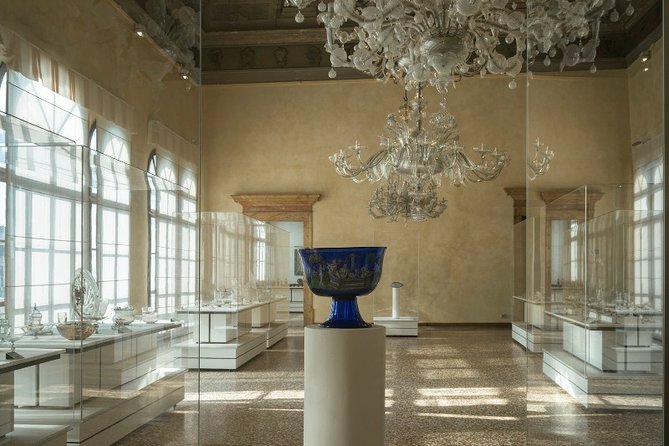
Reviewed · MURANO BURANO AND TORCELLO ISLAND TOURS
The Murano Glass Museum in Venice
Murano’s glass story begins long before the famous bright vases and delicate chandeliers. At the Murano Glass Museum, you start with Roman pieces from the 1st to 3rd centuries A.D., then follow the craft through hundreds of years of Venetian design. I like the clear chronological layout and the chance to see works that range from archaeological finds to famous 20th-century pieces.
I also like that this is a simple admission ticket rather than a tightly scheduled tour. You can spend an hour on the highlights or stay closer to three hours with the audio guide. The main drawback is that the museum is built for adults and older children, not hands-on family entertainment. A 10-year-old may lose interest fairly quickly, and the ticket is non-refundable if your plans change.
Key points to know before you go
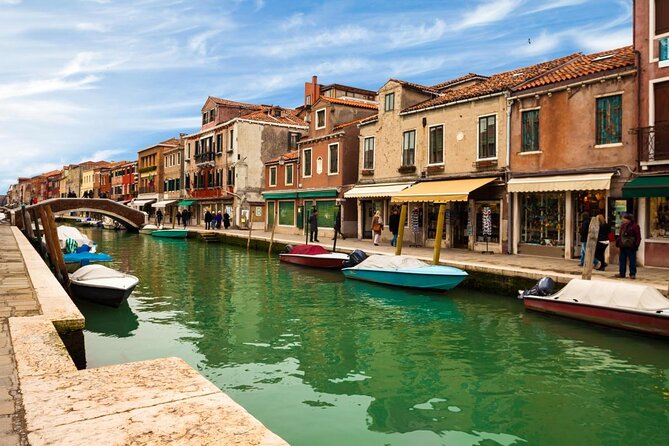
- Roman glass comes first: The ground-floor archaeological section includes notable works dating from the 1st to 3rd centuries A.D.
- A long glass timeline: The first floor traces Murano production from the 15th through the 20th century.
- The collection is unusually large: This is described as the largest historical collection of Murano glass in the world.
- You visit at your own pace: Allow about one to three hours, depending on your interest in art history.
- A free audio guide helps: An audio guide is available in several languages, according to the information provided with the experience.
- Plan the transport yourself: Private transportation and snacks are not included, though the museum is near public transportation.
What the museum helps you understand about Murano glass
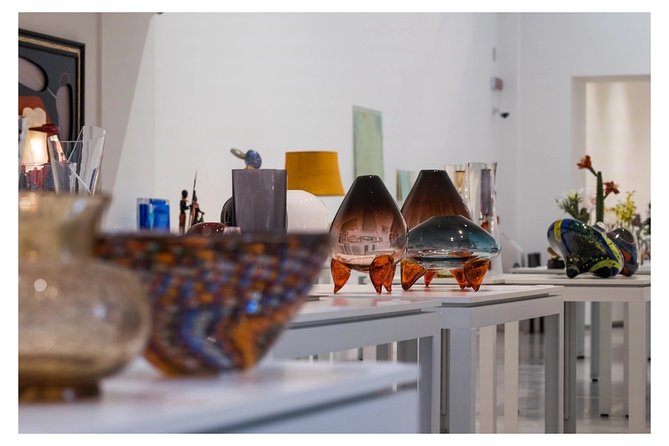
Murano glass is not just a souvenir category. It is a major part of Venice’s artistic identity, and the museum gives you a way to see how the craft changed across many centuries.
The collection moves from early glassmaking examples to later Murano works, so you can compare shape, color, technique, and purpose as you go. That order matters. Without it, a room full of glass can become a parade of pretty objects. With it, you begin to see how design developed over time.
The museum also gives useful context for Murano itself. The island is known around the world for glass, but the museum places that reputation inside a longer story. The oldest objects are not necessarily Murano products, yet they establish how long glass has been used and valued in this part of Europe.
I find this kind of museum most useful when you want more than a quick look at colorful merchandise in shop windows. Murano has many places where you can admire or buy glass, but this collection lets you examine the craft as art and historical evidence.
More Murano glassblowing visits:
- Venice: Burano, Torcello & Murano Boat Tour w/Glassblowing
★ 4.4 · 10,245 reviews - Venice: Murano and Burano Boat Tour with Glass Factory Visit
★ 4.2 · 9,527 reviews - Venice: Murano & Burano Panoramic Boat Tour w/ Glassblowing
★ 4.4 · 6,212 reviews
Starting on the ground floor with Roman glass
The visit begins in the archaeological section on the ground floor. Here you find notable Roman works dating from the 1st to 3rd centuries A.D.
This is a modest but important opening. Roman glass can look plain beside later Murano pieces, especially if your eye is drawn to color and elaborate decoration. Take a moment to notice the basic forms, the age of the material, and the skill required to produce useful objects from glass so long ago.
The archaeological display also sets up a useful question: what does glass tell us about the people who made and used it? A vessel is not only a container. It shows what materials were available, what shapes were practical, and what kinds of objects were considered worth making carefully.
If you have limited time, you might move through this section quickly and spend more time upstairs. Still, skipping it would weaken the museum’s timeline. The Roman pieces give the later collection a starting point.
Following the first-floor collection from the 15th century onward
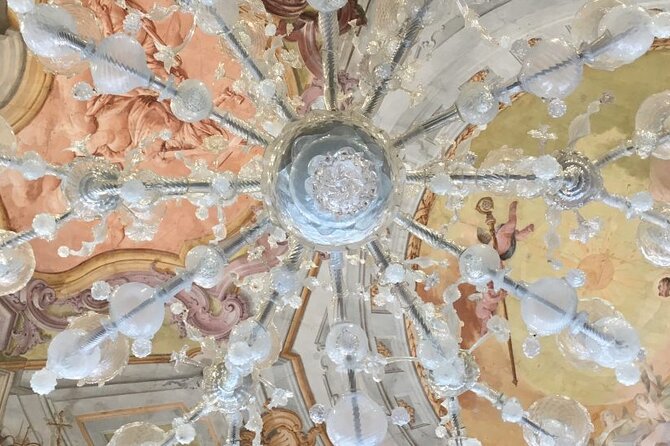
The main collection is arranged chronologically on the first floor. It covers Murano glass from the 15th to the 20th century, with many pieces described as world-famous masterpieces.
This is the core of the visit. Each sala presents a different period, so you can move from room to room without trying to guess how the works fit together. That makes the museum approachable even if you do not know much about glassmaking.
Expect the display to reward slow looking. One room may catch you with unusual forms, while another may make more sense after you have seen the pieces that came before it. I suggest resisting the urge to photograph everything immediately. First notice the broad changes in style, then return to the objects that hold your attention.
The collection’s size is one of its main strengths, but it can also make the visit feel dense. You are not walking through a small exhibit with a few perfect showpieces. You are seeing a wide historical sweep. If you try to inspect every item, the museum may become tiring.
For most people, one to one and a half hours should give enough time for the main rooms. If you enjoy decorative arts or art history, plan closer to three hours. The stated visit length is about one to three hours, so you can shape the experience around your schedule.
Using the audio guide without rushing
A free audio guide is available in different languages. The experience is offered in English, and the audio guide can give you extra context as you move through the salas.
This is especially useful because the admission ticket does not include a live guide. You are responsible for setting your own pace, choosing what to study, and deciding when to move on. The audio guide helps fill that gap without turning the visit into a group activity.
I would use it selectively rather than listening to every explanation from beginning to end. Choose the sections that interest you most, then spend a little time looking at the nearby pieces without narration. Glass is easy to skim past, and a pause helps you notice details in shape and decoration.
The audio guide also makes the museum more accessible to someone who is new to Murano glass. You do not need to arrive with technical knowledge. If you already know a lot about the subject, you may prefer to use the guide only for selected objects.
More island days out to Murano, Burano and Torcello:
- Boat Trip: Glimpse of Murano, Torcello & Burano Islands
★ 4.3 · 15,699 reviews - Murano, Burano and Torcello Half-Day Sightseeing Tour
★ 3.5 · 7,928 reviews - Murano & Burano Islands Guided Small-Group Tour by Private Boat
★ 4.5 · 7,580 reviews - Venice: Murano, Burano, Torcello, and Glass Factory Tour
★ 4.4 · 5,563 reviews
The garden and museum shop
A garden area offers a quiet break during the visit. It is tranquil but not extensive, so think of it as a pause rather than a major attraction.
That small outdoor space can be useful after several indoor rooms. You can step outside, reset your attention, and decide whether to continue upstairs or finish the visit. It is not likely to occupy much of your day on its own.
The museum shop is also small. That may disappoint you if you expect a major retail section, but Murano itself has many glass shops. In practical terms, the small shop is not a serious weakness. You have other chances on the island to browse glassware and compare styles.
The museum shop is best treated as a convenient final stop, not a reason to visit. If you want to purchase something, remember that museum displays and shop goods serve different purposes. The collection shows historical and artistic examples, while the island’s shops offer the chance to look at contemporary pieces.
How much time the ticket saves
The ticket is priced at $26.43 per person. For an admission-only experience, that is not a bargain-basement price, so the value depends on how much you care about decorative arts and Murano’s place in Venetian culture.
The main practical benefit is secure entry and the ability to bypass potential ticket lines. That matters most on a busy Venice day, when a short visit can become inconvenient if you are waiting outside. It also makes the museum easier to fit between other plans.
Still, skipping a line does not automatically make the ticket good value. If you only want a quick look at Murano glass, the price may feel high for a museum you leave after 30 minutes. If you plan to use the audio guide and spend one to three hours with the collection, the value improves.
I would recommend booking it for a planned museum visit, not as an impulse purchase. Look at your Venice schedule first. If Murano is already part of your day, this ticket gives that stop a clear focus. If you are uncertain about making the trip to the island, a non-refundable ticket creates more risk.
Getting there and planning the day
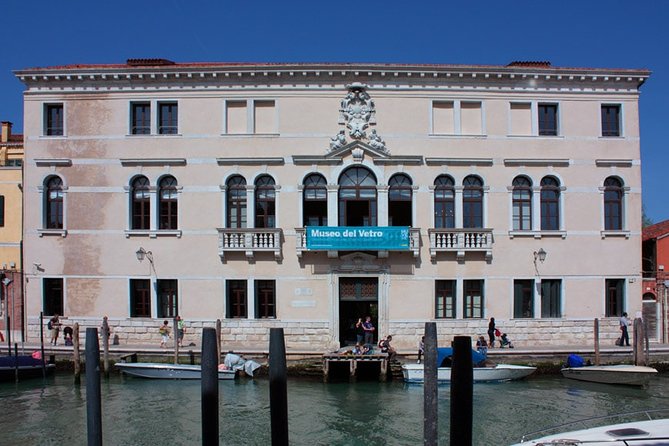
Private transportation is not included, but the museum is near public transportation. You will need to arrange your own route and allow time for the journey to Murano as part of your day.
That independent format has both good and bad sides. You are not tied to a group transfer or a fixed sightseeing route, and you can combine the museum with other time on the island. On the other hand, the ticket does not solve the transportation question for you.
Give yourself enough time for the museum and for getting around Murano. The actual museum visit can take one to three hours, but your total outing will be longer once transport and other island stops are included.
Bring your own snacks if you need them, since snacks are not included. The museum is an indoor cultural stop, not a packaged day tour with meals or transfers.
If you are visiting Venice for the day from outside the city, check the current access-fee rules before you go. On certain dates, most day visitors staying outside Venice may need to pay a €5 access fee. Exemptions apply, and the applicable dates can change, so use the official information at cda.ve.it when planning.
Who will enjoy this museum most
I would choose this experience for adults, older children, design students, decorative-arts fans, and anyone who wants to understand why Murano glass matters.
It works particularly well for visitors who enjoy looking closely at objects and comparing styles across time. The chronological arrangement gives you a clear path, while the audio guide adds useful explanation without requiring a private tour.
Families with young children should set expectations carefully. The museum is not interactive, and there is no indication of hands-on activities. A child who already likes art, history, or unusual objects may enjoy it, but a younger visitor may tire before reaching the end.
This is also a good choice for a rainy or very hot part of a Venice day, since it provides a focused indoor activity. Just do not expect a full-day attraction. The garden is limited, the shop is small, and the museum itself is the main event.
A practical warning about ticket delivery
Confirmation is due within 48 hours of booking, subject to availability. Check your booking information before setting out, especially if your Venice plans are tightly timed.
There is also a serious practical point about ticket access. A reported booking problem involved tickets not arriving and admission being refused unless the visitor paid again. That does not prove every booking will have trouble, but it is enough reason to check for the confirmation well before your visit.
If the ticket has not arrived within the stated confirmation period, contact the booking service before heading to Murano. Save the confirmation details on your phone, and avoid waiting until you are at the entrance to discover a problem.
The non-refundable policy adds weight to this advice. You cannot cancel or amend the experience for a refund, so book only when your date and plans are firm.
Is the Murano Glass Museum worth booking?
I would book this ticket if you want a serious look at Murano glass, appreciate art history, or prefer to explore museums independently. The Roman starting point, chronological first-floor display, large historical collection, and free audio guide give the visit more substance than a quick shop visit.
I would skip it if you are traveling with children who need interactive activities, have only a few minutes on Murano, or are unsure that you will reach the island. The $26.43 price is easier to justify when you plan to spend at least an hour with the collection.
For the best fit, treat the museum as the cultural center of a Murano visit, not as a quick add-on. Check your ticket confirmation, plan your own transport, bring snacks if needed, and verify the Venice access-fee rules if you are coming in for the day. That small amount of planning will help you get the most from a quiet, art-focused stop.
FAQ
Where is the Murano Glass Museum located?
The museum is in Murano, Venice, Italy. It is near public transportation.
What does the admission ticket include?
The ticket includes entrance to the Murano Glass Museum.
Is private transportation included?
No. Private transportation is not included, so you must arrange your own way to the museum.
How long does the visit take?
The visit takes approximately one to three hours, depending on how closely you study the collection and use the audio guide.
Is the experience offered in English?
Yes. The experience is offered in English.
What can I see at the museum?
You can see Roman glass from the 1st to 3rd centuries A.D. and a historical Murano glass collection dating from the 15th to the 20th century.
Does the museum have the world’s largest Murano glass collection?
The collection is described as the largest historical collection of Murano glass in the world.
Is an audio guide available?
Yes. A free audio guide is available in different languages.
Are snacks included?
No. Snacks are not included.
Can I cancel or change the booking?
No. The experience is non-refundable and cannot be changed for any reason. Confirmation is sent within 48 hours of booking, subject to availability.
More museums and galleries in Venice
- Venice: Leonardo Da Vinci Museum Entrance Ticket
★ 4.5 · 3,560 reviews - Venice’s Best: Basilica, Doge’s Palace, Gondola & History Gallery
★ 4.5 · 2,478 reviews - Venice: Vivaldi’s Four Seasons Concert & Music Museum Visit
★ 4.8 · 2,065 reviews - Charming Gondola Ride on the Grand Canal & Gondola Gallery™
★ 4.0 · 1,313 reviews
Recently added around Venice
- Your evening in Venice – Legends&Ghosts&Aperitif★ 4.7 · 79 reviews
- Venice: City Tour & Skip the Line for St. Mark’s Basilica★ 4.1 · 84 reviews
- Walking Tour to Uncover the Hidden Venice★ 4.4 · 34 reviews
- Wine Tasting in Venice★ 4.6 · 42 reviews
- VIRTUAL MUSEUM: Creature di Gomma – Venice Vintage Toys★ 4.7 · 3 reviews
- Venice: Walking Tour & Gondola Ride★ 4.4 · 22 reviews
- Venice: Watercolor Painting Class at the Prisons Palace★ 4.7 · 27 reviews
- Venice Walking Tour from St. Mark’s to Rialto Bridge★ 4.5 · 12 reviews
Murano Burano and Torcello Island Tours, compared.

Boat Trip: Glimpse of Murano, Torcello & Burano Islands
Read our review →
Burano, Torcello & Murano Boat Tour w/Glassblowing
Read our review →
Murano and Burano Boat Tour with Glass Factory Visit
Read our review →
Murano, Burano and Torcello Half-Day Sightseeing Tour
Read our review →
Murano & Burano Islands Guided Small-Group Tour by Private Boat
Read our review →
Murano & Burano Panoramic Boat Tour w/ Glassblowing
Read our review →
Venice Islands: Murano Glass & Burano Colors Guided Visit
Read our review →
Browse the lists this tour appears in