
Reviewed · WORKSHOPS
Venice Photography Masterclass – Private Photography Lesson
Venice is already photogenic. This private lesson helps you do more than point your camera at it. In about three hours, you’ll work with a professional photographer on aperture, shutter speed, and ISO, then practice those settings around St Mark’s Square, Rialto Bridge, and the Grand Canal.
I like the one-to-one format and the freedom to shape the route around your interests. I also like that the lesson can move from bright daylight to sunset and night photography, including long exposures and light painting. The main catch is the price: at $204.25 per person, it makes the most sense if you want real instruction, not just a guided walk with photo stops.
Key points at a glance
- Private instruction for up to four people: You get direct help rather than a crowded class.
- Practical camera training: Learn how to use manual controls, including aperture, shutter speed, ISO, and timer settings.
- Classic Venice views: Photograph St Mark’s Square, Rialto Bridge, the Accademia Bridge, and the Campanile area.
- Day, sunset, and night practice: The lesson covers changing light, long exposures, light streaks, and light painting.
- A flexible route: Your guide can tailor the walk to your interests, including local residential areas and less familiar corners.
- A useful first-day activity: Skills learned early in your stay can help you take better photos for the rest of your time in Venice.
Why this private Venice lesson is different
Many city photo walks are really sightseeing walks with a few camera tips added. This experience is more hands-on. You arrive with your own camera and spend the session learning how to control it in real conditions, not in a classroom.
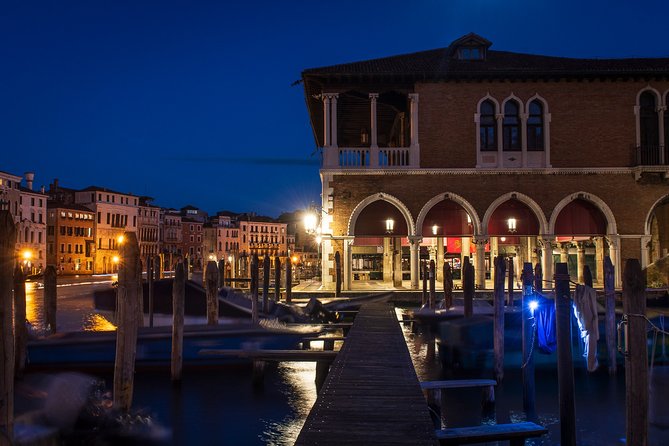
Your guide meets you at Campo San Vidal, a central starting point near the Accademia area. From there, you follow a walking route through Venice, stopping to photograph major sights and adjusting your settings as the light changes.
The private format matters. With no unrelated group to keep pace with, you can ask basic questions without feeling rushed. If you are moving from a bridge camera to a DSLR or another advanced model, that extra attention can be especially useful. One participant arrived after leaving a newer camera unused for years and found that hands-on guidance finally made the controls feel manageable.
You may work with Marco or Nicoletta, both of whom are named in the experience feedback. Marco has taught night photography using manual mode, aperture priority, timer settings, and a small tripod when a participant’s own tripod was unavailable. Nicoletta is described as both a skilled photographer and an effective guide to Venice.
The booking is limited to a maximum of four people, and the activity is offered in English. Since it is a private tour, the pace and focus can be adjusted for your group.
More photo shoots in Venice:
- Venice: Photoshoot at Piazza San Marco and the Canals
★ 4.8 · 763 reviews - Fabulous photoshoot in the Canals of Venice
★ 5.0 · 122 reviews - Cinematic Photoshoot in Venice: Capture Venice Hidden Gems
★ 5.0 · 109 reviews
Campo San Vidal: starting with your own camera
The meeting point is Campo San Vidal, and the activity ends back there. Transportation to and from attractions is not included, but this is a walking tour, so you do not need to arrange rides between the photo stops.
Start by arriving with the camera you plan to use for the rest of your trip. Bring the lenses, memory cards, and batteries you expect to rely on. The lesson is most useful when the guide is working with your actual equipment, including its menus and controls.
If you are unsure how to set aperture, shutter speed, or ISO, say so at the beginning. The purpose of a private lesson is not to pretend you already know the basics. You can use the time to learn how each setting affects brightness, focus, motion, and the overall feel of a photograph.
The route is described as tailor-made, so the listed stops should be treated as the main photography areas rather than a rigid promise that every minute will be spent at one exact viewpoint. Ask early if you want to emphasize architecture, street scenes, sunset, night work, or local life.
Piazza San Marco: grand views with difficult light
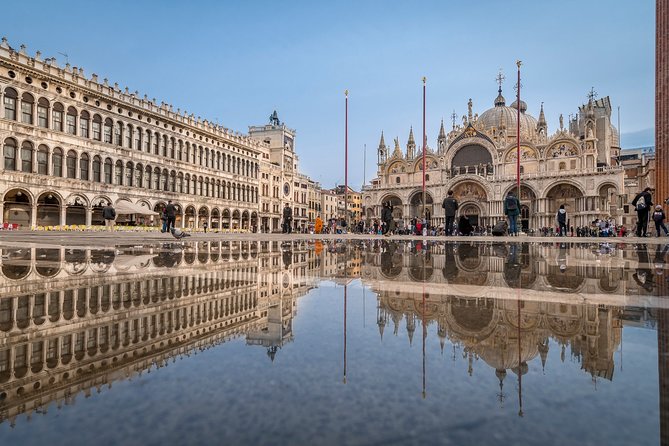
St Mark’s Square gives you Venice in its most recognizable form. You can photograph St Mark’s Basilica, the surrounding buildings, and the Campanile area while learning how to handle a large, open scene with strong contrasts.
This is a useful first exercise because the square presents several challenges at once. Bright stone, shaded arcades, open sky, and detailed façades can confuse automatic settings. Your guide can help you test different exposures and compositions instead of accepting the first image your camera produces.
The Campanile di San Marco is also listed as a separate stop. Its height and familiar profile make it a natural point of interest, but the lesson is not an admission visit to the tower. The activity is focused on photography in and around the area, and entrance tickets are not required for the listed stops.
Give yourself time to try more than one angle. A straight architectural view can be effective, but small changes in camera position, focal point, and framing can change the balance between the Campanile, the square, and the basilica.
Central Venice: finding the city beyond the postcard
The general Venice stop is where the private format may pay off most. The guide can take you toward areas that suit your interests rather than following only the most famous landmarks.
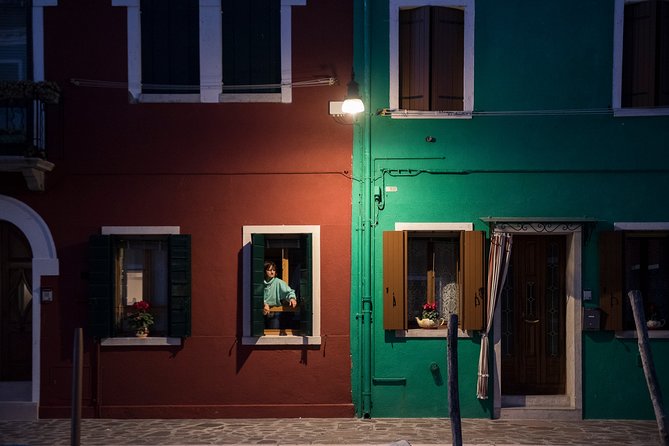
One participant particularly valued reaching a part of Venice where local residents live and came away with some of the favorite photographs of the trip. That detail points to an important strength of the experience: Venice is not only canals and grand façades. Quieter streets, doorways, bridges, and everyday scenes can give your photographs a stronger sense of place.
You should tell the photographer what kind of images you want. If you prefer street photography, say so. If you want architecture, reflections, or people-free compositions, mention that too. A private route gives you a better chance of spending time on the subjects you actually care about.
This is also where composition advice can help. Your guide may suggest changing the focal point, lowering or raising the camera, or waiting for a better arrangement of lines and shapes. Those are simple changes, but they often matter more than buying another lens.
More hands-on workshops in Venice:
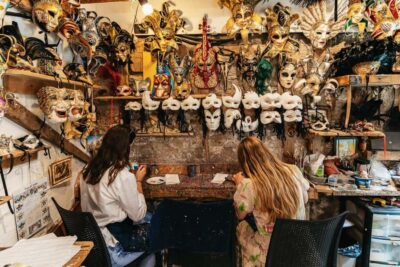
- Venice: Carnival Mask Workshop
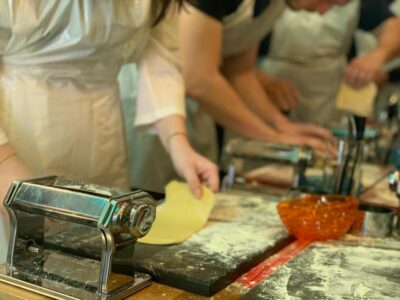
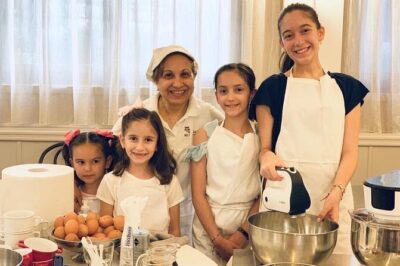
★ 4.5 · 1,925 reviews - Venice: Pasta and Tiramisu Cooking Class with Wine
★ 4.9 · 1,010 reviews - Pasta and Tiramisu Cooking Class with Wine in Venice
★ 5.0 · 945 reviews - Create Your Glass Artwork: Private Lesson With Local Artisan
★ 5.0 · 556 reviews
Ponte di Rialto: Venice’s classic viewpoint
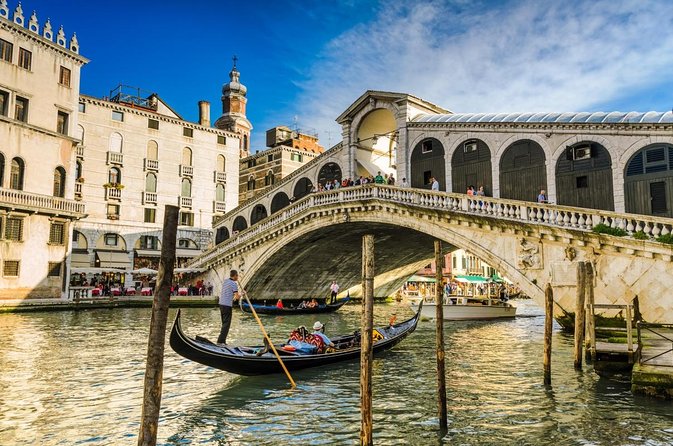
Rialto Bridge is one of the city’s essential photo stops. From and around the bridge, you can frame the Grand Canal, passing boats, waterfront buildings, and the bridge itself.
The setting offers a good lesson in composition. The canal creates strong leading lines, while the bridge can become either the main subject or a frame for the buildings beyond it. Your photographer can help you decide how much of the surrounding scene to include and where to place the visual weight.
Rialto is also a useful place to practice exposure changes. Reflections on the water, bright façades, and shadowed areas can all appear in the same frame. In daylight, you can experiment with different shutter speeds and apertures. Later, the same kind of canal scene can be approached with a long exposure after dark.
Do not expect the bridge to feel private or empty. It is one of Venice’s best-known locations, so the surroundings can be active. That is not a flaw in the lesson, but it does mean the guide’s advice on timing, angles, and patience becomes part of the value.
Ponte dell’Accademia: reflections and open views
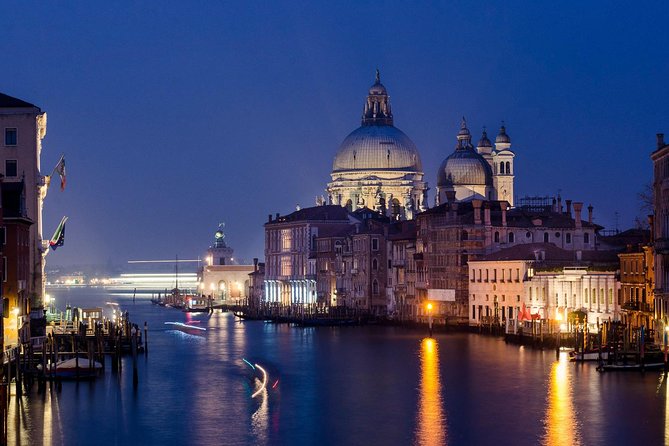
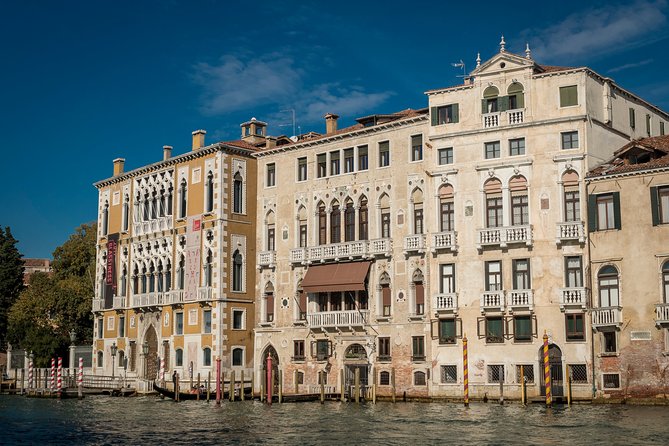
The Accademia Bridge offers a different perspective over the Grand Canal. It is a strong place to work on broad compositions, reflections, and the relationship between the water, palaces, and sky.
The bridge is close to the meeting point at Campo San Vidal, making it a practical early or late part of the walk. You can use the area to compare wide views with tighter details and learn how focal length changes the feeling of the scene.
This stop should appeal to anyone who likes classic Venice images but wants more control over them. A guide can help you find a balanced frame and then adjust your exposure rather than relying on the camera’s default choice.
Because the activity runs in all weather, prepare for changing conditions. Dress for walking and bring protection for your camera if rain is possible. Bad weather may not produce the bright postcard look, but it can change reflections and atmosphere. The key point is to be ready to work with the conditions you get.
Sunset and twilight: the most useful light lesson
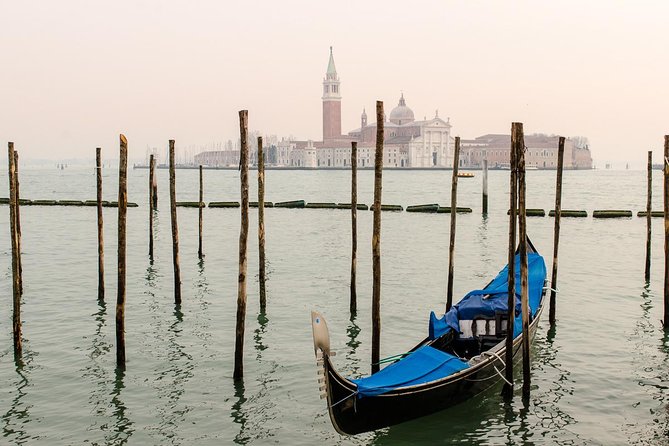
The experience includes instruction for daylight, sunset, and night photography. This gives you more than a single set of camera settings. You learn how the same city changes as the light fades.
At sunset, you can practice balancing the sky with the darker buildings and water. This is a good time to work on exposure compensation, composition, and the timing of a shot. The exact sunset location can be tailored to the route and the guide’s judgment.
Twilight often gives you a short but rewarding window. Venice’s buildings may still hold some natural light while lamps begin to appear along the canals. You can compare images taken just minutes apart and see why exposure settings need to change as conditions shift.
This part of the lesson is especially useful if you normally rely on automatic mode. Instead of simply waiting for the camera to make a decision, you can learn how to choose the look you want. That is practical knowledge you can use long after the tour ends.
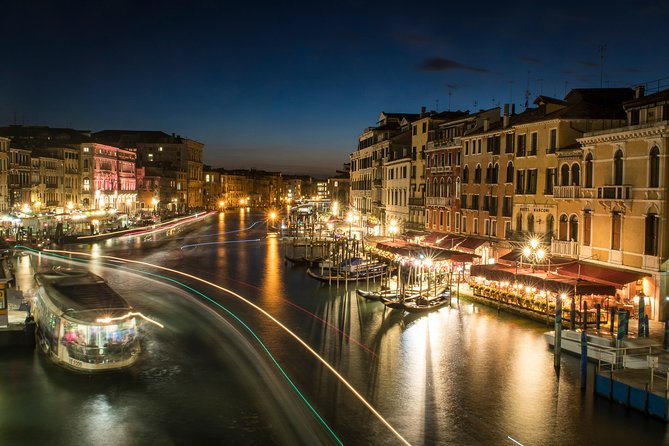
Night photography along the Grand Canal
The night portion is a major reason to book this experience rather than a standard daytime photo walk. You may practice long exposures, light streaking, and light painting while photographing illuminated Venice.
Night photography can be frustrating without guidance. A small movement can soften the entire frame, and automatic settings may produce an image that is too dark, too bright, or full of unwanted noise. The lesson can show you how to set the camera manually and use a timer to reduce camera shake.
Marco has taught a participant how manual mode differs from aperture priority, and how to coordinate manual settings with the camera’s timer. A small tripod, called a Fotopod, was used when the participant’s own tripod was unavailable. That suggests a useful practical point: ask in advance what support equipment you should bring, especially if night photography is your main goal.
Light painting and long-exposure light streaks are creative techniques, but they still depend on basic control. You need to understand shutter speed, stability, and focus before the effect becomes reliable. A private guide can correct problems as they happen, which is much faster than trying to sort them out from a manual later.
The night section may also run beyond the stated three-hour estimate. One session lasted three and a half hours. Treat the duration as approximate, and avoid scheduling a tight commitment immediately afterward.
What the $204.25 price buys you
At $204.25 per person, this is not a budget sightseeing activity. The price is easier to justify if you are booking for one or two people who want focused instruction. It becomes less costly per person when shared by a small private group, though the maximum booking size is four.
You are paying for a professional photographer guide, a private walking route, and the ability to shape the session around your equipment and interests. That is good value for someone who wants to leave Venice with better camera skills, not just a folder of snapshots.
The price is harder to justify if you only want a guide to point out famous views. You can see St Mark’s Square, Rialto Bridge, and the Accademia Bridge without taking a photography lesson. The added value comes from learning how to make decisions about exposure, composition, focus, and low-light technique.
Booking early in your stay may improve the value. One person used the new skills almost every day afterward. If you plan to photograph Venice independently, an early lesson can help you make better use of the rest of your trip.
Who should book this experience
I would recommend it most strongly to:
- Beginners who own an advanced camera but do not feel comfortable using it
- People moving from a simpler camera to a DSLR or similar model
- Couples or small groups who want private instruction
- Photographers interested in sunset and night work
- Anyone who wants local streets and daily Venetian scenes, not only famous landmarks
- Visitors who want a flexible route rather than a fixed group schedule
It may be less suitable if you want a relaxed sightseeing walk with little technical instruction. You will be expected to handle your camera, try settings, and practice as you go.
The walk also requires you to dress for the weather. It operates in all conditions, and hotel pickup and drop-off are not included. Service animals are allowed, the activity is near public transportation, and most people can participate, but you should still be comfortable walking through Venice for about three hours.
Booking details worth knowing
Confirmation is provided when you book, and free cancellation is available up to 24 hours before the local start time. Cancellations or changes made inside that window are not refunded or accepted.
The experience is usually booked about 17 days ahead, so early planning is sensible if your Venice dates are fixed. Day visitors staying outside Venice may also need to pay a separate €5 access fee on certain dates. Check the official Venice access-fee website before your visit to see if the charge applies to you.
Should you book the Venice Photography Masterclass?
Book it if you want to learn your camera while photographing Venice, especially if manual settings, sunset work, or night photography feel confusing. The private format, flexible route, and direct help from guides such as Marco or Nicoletta give the lesson more substance than a standard photo stroll.
I would book it near the start of a longer stay so you can use the skills afterward. If your main goal is simply to see the landmarks, save the money and explore on your own. If you want to understand why your photographs work, and how to make them better in changing light, this is a strong use of three hours.
FAQ
Where does the photography lesson start?
The activity starts at Campo San Vidal, Campo S. Vidal, 30124 Venezia VE, Italy.
Where does the activity end?
The activity ends back at the meeting point in central Venice.
How long does the photography lesson last?
The advertised duration is approximately three hours. At least one session lasted three and a half hours, so allow some flexibility afterward.
How many people can join the private tour?
A maximum of four people can be included in one booking, and only your group participates.
Is transportation included?
No. Transportation to and from attractions, as well as hotel pickup and drop-off, is not included. The experience is a private walking tour.
Can I cancel for a full refund?
Yes. You can cancel at least 24 hours before the local start time for a full refund. Cancellations or changes made less than 24 hours before the start time are not accepted or refunded.
Recently added around Venice
- Your evening in Venice – Legends&Ghosts&Aperitif★ 4.7 · 79 reviews
- Walking Tour to Uncover the Hidden Venice★ 4.4 · 34 reviews
- Wine Tasting in Venice★ 4.6 · 42 reviews
- Venice: City Tour & Skip the Line for St. Mark’s Basilica★ 4.1 · 84 reviews
- Venice: Walking Tour & Gondola Ride★ 4.4 · 22 reviews
- Venice: Watercolor Painting Class at the Prisons Palace★ 4.7 · 27 reviews
- VIRTUAL MUSEUM: Creature di Gomma – Venice Vintage Toys★ 4.7 · 3 reviews
- Venice Walking Tour from St. Mark’s to Rialto Bridge★ 4.5 · 12 reviews
Workshops, compared.
Pasta and Tiramisu Cooking Class with Wine in Venice
Read our review →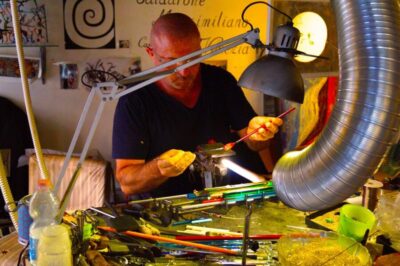
Create Your Glass Artwork: Private Lesson With Local Artisan
Read our review →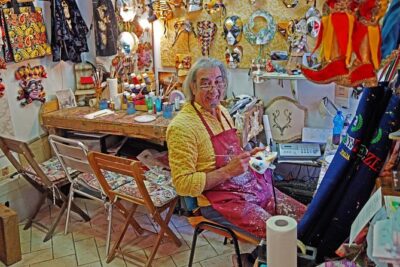
Venetian Carnival Mask Making Class in Venice, Italy
Read our review →
Murano Glass Factory Experience: A Workshop in Venice
Read our review →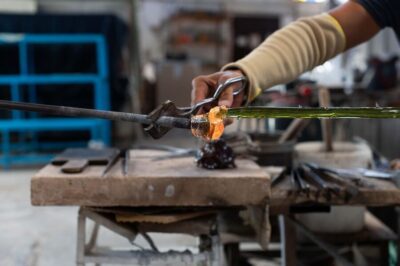
Browse the lists this tour appears in