
Reviewed · MURANO BURANO AND TORCELLO ISLAND TOURS
Murano: Glass Museum Entry Ticket
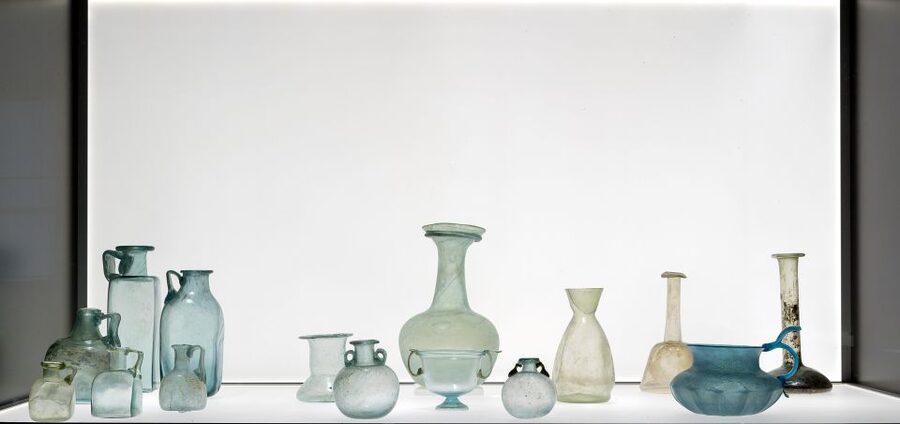
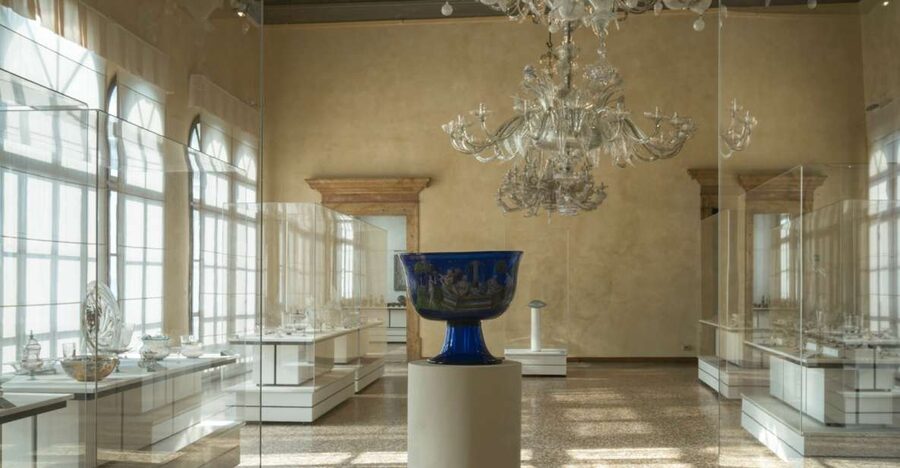
Murano’s Glass Museum gives you a clear look at the craft that made this Venetian island famous. Inside, you’ll follow glassmaking through the centuries, from 17th-century pieces to famous works that show how far artists pushed heat, color, and shape. I like the chronological layout because it makes the collection easier to understand, and I like that you can set your own pace rather than follow a fixed group.
The main trade-off is simple: this is a museum entry ticket, not a guided visit or a glassblowing demonstration. A quick visit can still be worthwhile, but you’ll get more from the displays if you slow down and read the background material. The ticket is non-refundable, so check the museum’s opening dates and hours before you commit.
Key points about the Murano Glass Museum
- The collection covers centuries of Venetian glassmaking, with important works from the 17th century and later periods.
- You explore independently, so you can spend extra time on jewelry, sculpture, or historic techniques that catch your eye.
- The museum holds the largest historical collection of Murano glass in the world, making it the natural place to learn about the island’s craft.
- A one-day public transport ticket may be included, depending on the option you choose.
- The visit can be fairly quick, but it becomes more rewarding when you study the chronology and techniques instead of simply walking through.
- The museum is wheelchair accessible, though you should still check current opening information before visiting.
Why Murano glass deserves a museum visit
Murano glass is not just pretty decoration. It is a long-running Venetian craft shaped by technical skill, patient repetition, and a taste for spectacle. The museum lets you see that development in one place instead of trying to piece it together from shop windows around the island.
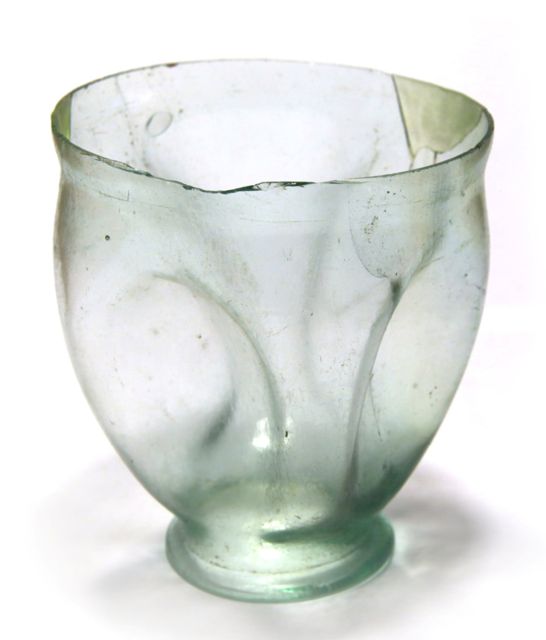
You’ll encounter glass objects made for different purposes and periods. Some pieces are likely to catch you because of their color or form. Others reward closer attention to the method behind them. Look for signs of controlled heat, fine shaping, unusual transparency, and the tiny details that separate a simple object from a demanding piece of studio work.
I find the chronological arrangement especially useful. It gives the visit a natural path. You begin with earlier examples, then see how styles and methods changed over time. This turns the museum into more than a room full of beautiful objects. It becomes a visual lesson in how Murano glass developed.
The collection also helps explain why Murano matters within Venice. The island is closely linked with glassmaking traditions, and this museum gathers the craft’s story in one setting. You do not need to be an expert in glass to appreciate it. A curiosity about jewelry, sculpture, decoration, or handmade objects is enough.
More Murano glassblowing visits:
- Venice: Burano, Torcello & Murano Boat Tour w/Glassblowing
★ 4.4 · 10,245 reviews - Venice: Murano and Burano Boat Tour with Glass Factory Visit
★ 4.2 · 9,527 reviews - Venice: Murano & Burano Panoramic Boat Tour w/ Glassblowing
★ 4.4 · 6,212 reviews
Entering the museum and planning your visit
This is a one-day admission, not a timed guided tour. That gives you useful freedom. You can fit the museum into a larger day in Venice, visit when it suits your route, and stay only as long as your interest holds.
Before setting out, check the museum’s own website for current opening dates and hours. This matters because the ticket is non-refundable, and the provided information specifically advises confirming the schedule before your visit. Do not treat the general availability shown when booking as a substitute for checking the museum directly.
You should also decide if you want the optional one-day public transport ticket. If you select that option, transport is included for the day. That can make the booking more useful if you plan to move around Venice and its islands rather than visit Murano alone.
The basic admission costs about $11 per person. For a museum with the world’s largest historical collection of Murano glass, that is a reasonable price, particularly if you already plan to visit the island. The value is weaker if you are looking for a full activity with a guide, a workshop, or a live demonstration. Those are not included.
Following the collection in chronological order
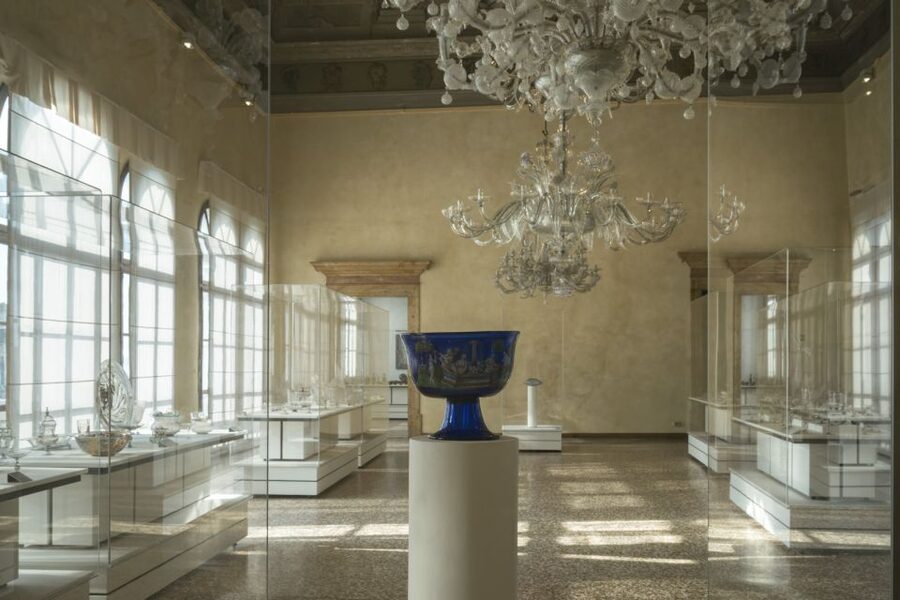
Once inside, let the chronological arrangement guide you. You do not need a detailed plan, but resisting the urge to rush from one striking object to the next will make the visit more useful.
Start by looking at the broad changes across the collection. Notice how shapes, decoration, and technical choices shift from one period to another. You might see formal pieces that reflect older tastes, followed by works that feel more experimental or sculptural.
The chronology is helpful because it gives each object some context. A glass vase or decorative piece can look impressive on its own, but it means more when you see it as part of a larger progression. You begin to notice not only what an object looks like, but also what it may show about the period in which it was made.
Allow time for the smaller details. Murano glass is often associated with bright, dramatic pieces, yet the delicate work can be just as interesting. Jewelry enthusiasts may pay special attention to color, tiny forms, and careful finishing. If your main interest is design, the museum offers plenty to examine without requiring a long lecture.
The collection is described as astonishing and extensive, but the practical point is that you do not need to see every object with equal attention. Choose a few pieces from each period and compare them. That approach helps you avoid museum fatigue, especially if you are visiting several sights in Venice on the same day.
What you can learn about glassblowing
The museum can help you grasp some of the secrets of glassblowing and glassmaking, but keep your expectations in check. This ticket does not include a live guide, and the supplied information does not promise a working demonstration.
Instead, you learn through the objects and the museum’s presentation. Study the shapes and surfaces closely. Ask yourself how the maker could have formed them while the glass was hot and changeable. The more unusual the form, the more useful it is to imagine the control required to create it.
This is where a little patience pays off. A fast walk-through may leave you with the general impression that the glass is beautiful. A slower visit can help you recognize the technical choices behind the beauty. Look for repeated patterns across different pieces, then consider how artists altered them over time.
If you already enjoy Murano glass jewelry, you’ll probably find the museum particularly rewarding. The visit lets you place the small objects sold in island shops within a broader artistic tradition. You may also gain a sharper eye for the difference between a souvenir and a carefully made work of glass art, though the museum itself is not presented as a shopping experience.
More island days out to Murano, Burano and Torcello:
- Boat Trip: Glimpse of Murano, Torcello & Burano Islands
★ 4.3 · 15,699 reviews - Murano, Burano and Torcello Half-Day Sightseeing Tour
★ 3.5 · 7,928 reviews - Murano & Burano Islands Guided Small-Group Tour by Private Boat
★ 4.5 · 7,580 reviews - Venice: Murano, Burano, Torcello, and Glass Factory Tour
★ 4.4 · 5,563 reviews
A quick visit or a slower museum stop
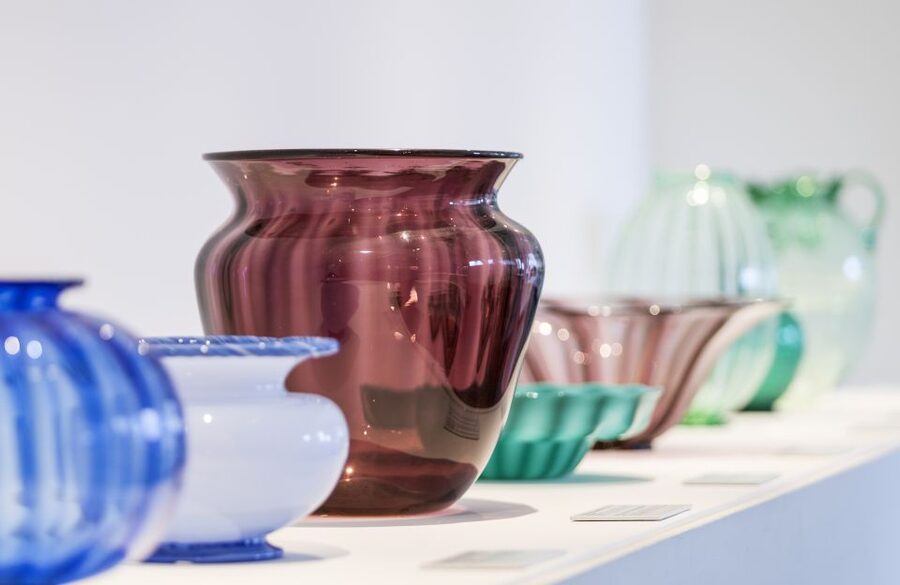
One recent assessment described the visit as fairly quick but very interesting. That is a useful way to plan. You should not assume this ticket fills an entire day, and you probably do not need to reserve a full day just for the galleries.
For many people, the museum works best as a focused stop during a day on Murano. You can give it enough time to understand the collection, then continue exploring the island. If you are passionate about glass, you may stay longer to compare periods, techniques, and individual works.
Families and mixed-interest groups may also appreciate the self-guided format. One person can spend longer with the jewelry while another moves ahead. There is no guide setting the pace, and you do not need to remain with a group.
The downside is that independent visits require more effort from you. Without a live guide, you must use the exhibits and your own attention to create the story. If you prefer a person explaining the craft as you watch it being made, this ticket alone may feel limited.
Is the one-day transport option worth it?
The transport add-on is practical, but its value depends on your plans. The museum ticket itself covers admission. The one-day public transport ticket is included only when you choose that option.
If your day involves several movements around Venice, the transport option may simplify your planning. You can combine Murano with other stops without buying separate transport tickets each time. If you are already staying near Murano or have transport arranged another way, the basic museum ticket may be the better buy.
Do the price comparison before booking. The key question is not simply if transport is included, but how much moving around you expect to do that day. The add-on makes the most sense for a day built around several public transport journeys.
Access, timing, and the Venice access fee
The museum is wheelchair accessible, which makes this a practical cultural stop for visitors who need an accessible venue. The information provided does not give detailed notes about every entrance, route, or restroom, so check directly with the museum if you need a specific accessibility arrangement.
The ticket is valid for one day. Starting times and availability should be checked before you book, then confirmed against the museum’s official opening information.
There is also a separate Venice Access Fee on certain days from April 18, 2025, through July 27, 2025. This fee is paid directly to the City of Venice and is separate from your museum ticket. Exemptions apply in some cases, so check the official cda.ve.it website for dates, payment methods, and exemption rules before your visit.
Who will enjoy this museum most?
I would recommend this experience to anyone who already has Murano on the Venice itinerary and wants more than a quick look at shop displays. It is also a good match for people interested in decorative arts, jewelry, design, craft methods, or Venetian culture.
You will probably enjoy it most if you are comfortable exploring without a guide. The museum gives you the setting and the collection, but you decide what deserves your attention. That freedom is a strength for independent visitors and a weakness for anyone hoping for a fully explained tour.
The $11 price also suits a flexible plan. You can make the museum a focused stop without committing to an expensive, half-day activity. Just remember that the ticket does not include a live guide or any stated glassblowing demonstration.
Should you book the Murano Glass Museum ticket?
Book it if you want to understand why Murano glass matters and you like examining beautiful objects at your own pace. The chronological collection, 17th-century works, and famous masterpieces give the visit real substance, while the low admission price keeps the risk modest.
Choose the transport option if you expect to make several public transport trips during the same day. Choose basic admission if you only need entry to the museum.
Skip this ticket if you want a hands-on workshop, a named guide, or a live glassblowing show. This is a museum visit, and its best qualities are the scale of the collection, the clear historical progression, and the freedom to explore independently. Check the opening schedule first, plan for a visit that may be fairly short, and you’ll know exactly what you are buying.
FAQ
How much does entry to the Murano Glass Museum cost?
The listed price is $11 per person. A one-day public transport ticket may be included if you select that option.
How long is the ticket valid?
The ticket is valid for one day. You should check availability for current starting times.
Is a live guide included?
No. The ticket provides museum entry, but no live guide is included.
Can I explore the museum at my own pace?
Yes. The museum visit is self-guided, allowing you to spend as much time as you like on the collection during the valid day.
Is the museum wheelchair accessible?
Yes. The activity information states that the museum is wheelchair accessible.
Can I cancel the booking?
No. This activity is non-refundable, so check the museum’s opening dates and times before booking.
More museums and galleries in Venice
- Venice: Leonardo Da Vinci Museum Entrance Ticket
★ 4.5 · 3,560 reviews - Venice’s Best: Basilica, Doge’s Palace, Gondola & History Gallery
★ 4.5 · 2,478 reviews - Venice: Vivaldi’s Four Seasons Concert & Music Museum Visit
★ 4.8 · 2,065 reviews - Charming Gondola Ride on the Grand Canal & Gondola Gallery™
★ 4.0 · 1,313 reviews
Recently added around Venice
- Your evening in Venice – Legends&Ghosts&Aperitif★ 4.7 · 79 reviews
- Venice: City Tour & Skip the Line for St. Mark’s Basilica★ 4.1 · 84 reviews
- Walking Tour to Uncover the Hidden Venice★ 4.4 · 34 reviews
- Wine Tasting in Venice★ 4.6 · 42 reviews
- Venice: Walking Tour & Gondola Ride★ 4.4 · 22 reviews
- Venice: Watercolor Painting Class at the Prisons Palace★ 4.7 · 27 reviews
- VIRTUAL MUSEUM: Creature di Gomma – Venice Vintage Toys★ 4.7 · 3 reviews
- Venice Walking Tour from St. Mark’s to Rialto Bridge★ 4.5 · 12 reviews
Murano Burano and Torcello Island Tours, compared.

Boat Trip: Glimpse of Murano, Torcello & Burano Islands
Read our review →
Burano, Torcello & Murano Boat Tour w/Glassblowing
Read our review →
Murano and Burano Boat Tour with Glass Factory Visit
Read our review →
Murano, Burano and Torcello Half-Day Sightseeing Tour
Read our review →
Murano & Burano Islands Guided Small-Group Tour by Private Boat
Read our review →
Murano & Burano Panoramic Boat Tour w/ Glassblowing
Read our review →
Venice Islands: Murano Glass & Burano Colors Guided Visit
Read our review →
Browse the lists this tour appears in