
Reviewed · VENICE WALKING TOURS
Venice: Giudecca Island Discover Walking Tour
Giudecca gives you a different Venice: quieter, more local, and shaped by gardens, old factories, workers’ housing, and the wide canal separating it from the main city. The tour begins with a waterbus ride across the Giudecca Canal, then follows a guide through the island’s artistic quarter and less-familiar streets.
I like the mix of history and everyday life, and I like that Valerio Coppo leads a private walking tour rather than a large group. You get local context as you move between quays, galleries, gardens, and residential corners. The main consideration is the price: at $146.14 per person, it makes the most sense if you value personal attention and a quieter side of Venice.
Key points to know before you go
- The waterbus ride is part of the setting, not the ticket price: You buy the ticket on board, then cross to Giudecca for the walk.
- The route begins and ends at the Gesuati church: The meeting point is in front of the Church of Saint Mary of the Rosary.
- Giudecca has an unusual past: Aristocratic retreats, religious sites, factories, warehouses, barracks, prisons, and workers’ quarters all shaped the island.
- You see both sides of the island: The Venice-facing quay is open and easy to follow, while the lagoon-facing side has gardens, galleries, and residential areas.
- Valerio Coppo is the named guide: The tour is offered in English, German, Italian, or Spanish.
- Plan for a walking tour, not a sightseeing bus: The activity lasts two hours and is not suitable for wheelchair users or people with mobility impairments.
Why Giudecca feels unlike central Venice
Giudecca is the largest and closest island to Venice, separated from the main city by the broad, deep Giudecca Canal. Its long, fishbone-like shape gives the island a clear sense of direction, but the experience feels less formal than a walk around St. Mark’s Square or the Grand Canal.
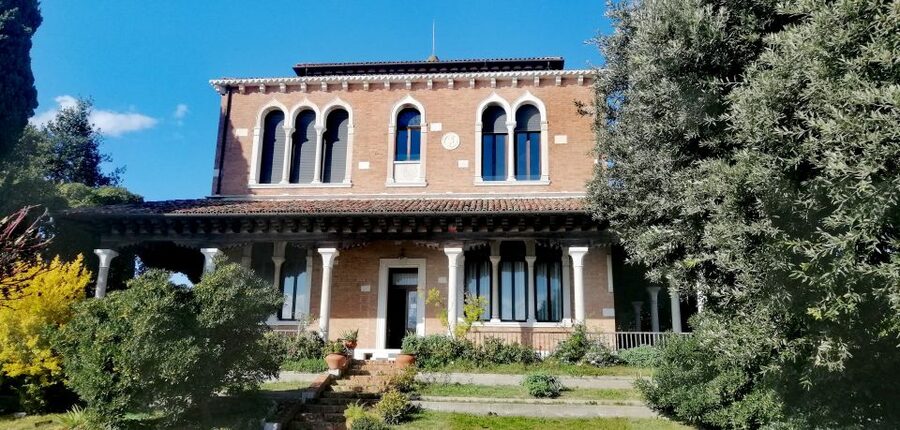
I like Giudecca because it is not simply a collection of famous buildings. You see how people used the island over time. Patrician families built country-style residences with gardens and allotments. Religious communities valued its peace. After the Venetian Republic fell, many grand spaces changed purpose and became warehouses, barracks, prisons, factories, and homes for workers.
That change is the heart of the tour. You are not only looking at attractive buildings. You are learning how an island moved from retreat to industry and then toward art and modern use. The result is a walk with more variety than its short length might suggest.
The island also gives you a break from Venice’s busiest paths. The tour does not promise an empty island, but Giudecca’s residential streets and long waterfront offer a calmer pace. You can look across the canal toward Venice, then turn away from the grand view and notice gardens, walls, galleries, and local architecture.
More walking tours in Venice:
- Venice Walking Tour and Gondola Ride
★ 3.5 · 3,630 reviews - Venice: Rialto Bridge & Offbeat Unusual Venice Walking Tour
★ 4.2 · 3,538 reviews - Private 3 hrs Venice Tour: St Mark’s, Walking tour & Boat tour
★ 4.0 · 3,372 reviews
Starting at the Gesuati church
You meet your guide in front of the Church of Saint Mary of the Rosary, commonly called the Gesuati. This is both the starting point and the ending point, which keeps the logistics simple.
The meeting point matters because it gives the walk a clear anchor. You do not finish at an unrelated part of the island and need to work out how to return. At the end, you are back where you started, ready to continue around Venice or make your next waterbus connection.
The tour is led by a local guide and nature and interpretive guide. Valerio Coppo is the named guide connected with this experience, and the available languages are English, German, Italian, and Spanish. If you want the richest exchange, choose a language in which you can ask questions comfortably. A private format also gives you more room to focus on the parts of Giudecca that interest you most.
Crossing the Giudecca Canal by waterbus
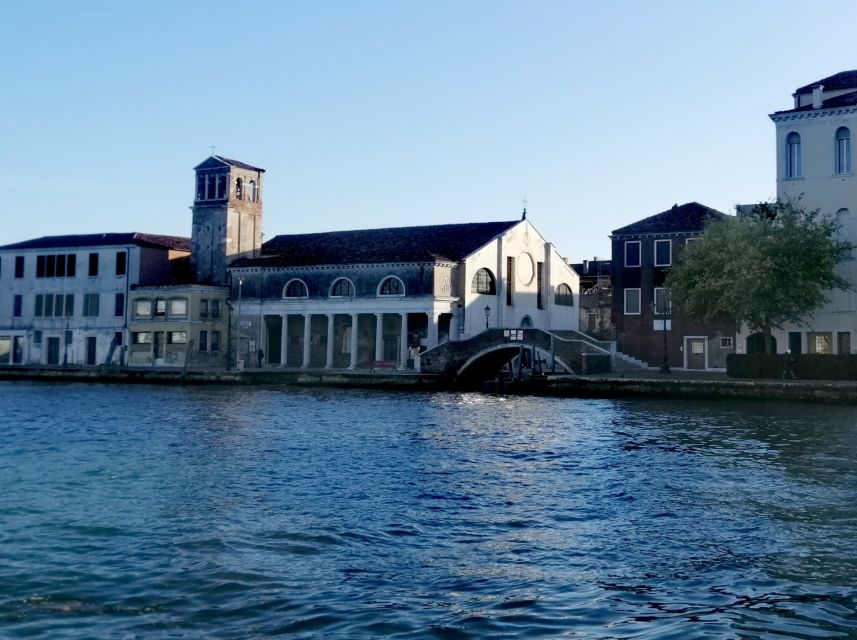
The waterbus ride sets the tone before the walking begins. You purchase the waterbus ticket separately on board, so add that cost when you work out your total budget. The ride brings fresh air, changing views, and a useful sense of Giudecca’s position beside Venice.
From the water, the broad canal helps explain why Giudecca has its own character. It is close to the historic center, but the water creates a real boundary. You see Venice from a different angle instead of approaching its main sights through another crowded street.
This short boat transfer is also one reason to avoid treating the tour as a simple neighborhood walk. The journey is part of the experience. You are not just being taken to a meeting point by ordinary transport. You are reaching the island in the way Venice itself is meant to be read, through its canals and water routes.
The waterbus fare is not included, so arrive prepared to purchase it on board. Starting times vary, and availability should be checked before booking. Since the tour lasts only two hours, a prompt start helps you get the full route rather than cutting the walk short.
Walking the long Venice-facing quay
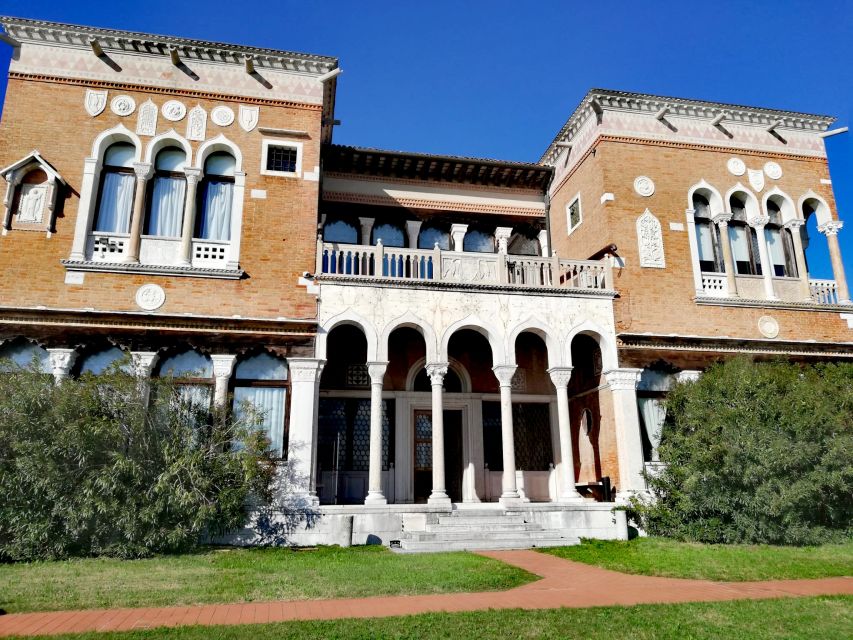
Once on Giudecca, the route follows the long pedestrian quay along the side facing Venice. This is one of the clearest ways to understand the island’s relationship with the city across the water.
The quay gives you open views and sea air. It also creates a useful pause between the busy center of Venice and the more layered streets of Giudecca. Your guide can point out the island’s buildings and explain how its waterfront developed, while you watch the city change across the canal.
I like this part because the view is not only decorative. It helps you read Venice as a group of islands rather than a single solid city. Giudecca’s position explains its use as a place for religious communities, aristocratic families, industry, and workers’ homes.
The route is on foot, so you should expect steady walking rather than a series of indoor visits. The information provided does not promise entry to specific churches, galleries, palaces, or factories. The value comes from seeing the area and having its buildings, streets, and past interpreted as you go.
A different way to spend a morning on the water:
- Venice: Doge’s Palace Reserved Entry Ticket
★ 4.6 · 42,716 reviews - Venice: Grand Canal Gondola Ride with App Commentary
★ 4.1 · 18,908 reviews - Boat Trip: Glimpse of Murano, Torcello & Burano Islands
★ 4.3 · 15,699 reviews - Venice: Grand Canal by Gondola with Live Commentary
★ 4.1 · 13,681 reviews
Turning toward gardens and galleries
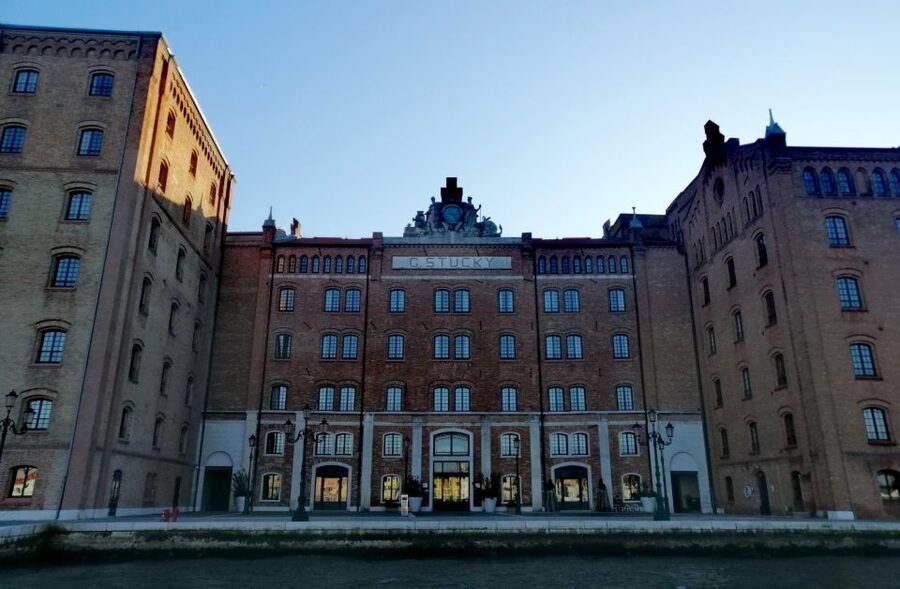
The tour then moves beyond the open waterfront and into Giudecca’s quieter side. Here, the island’s gardens, allotments, galleries, and residential neighborhoods become more important than the postcard view across the canal.
This is where the tour earns its discovery walk label. You are not limited to the best-known waterfront sights. You may find the contrast especially interesting: old walls beside modern artistic spaces, formal buildings near working neighborhoods, and green plots in a city better known for stone and water.
The gardens are important because they show a side of Venice that is easy to miss. Giudecca had space for cultivated plots and private retreats, something that made it attractive to patrician families and religious communities. Those open areas also help the island feel less compressed than central Venice.
The galleries add a present-day layer. Some former industrial or institutional spaces have been adapted for artistic and modern purposes. You should not expect a full gallery tour unless the guide specifically includes one, but the route gives you a look at how Giudecca continues to change.
Seeing the island’s industrial past
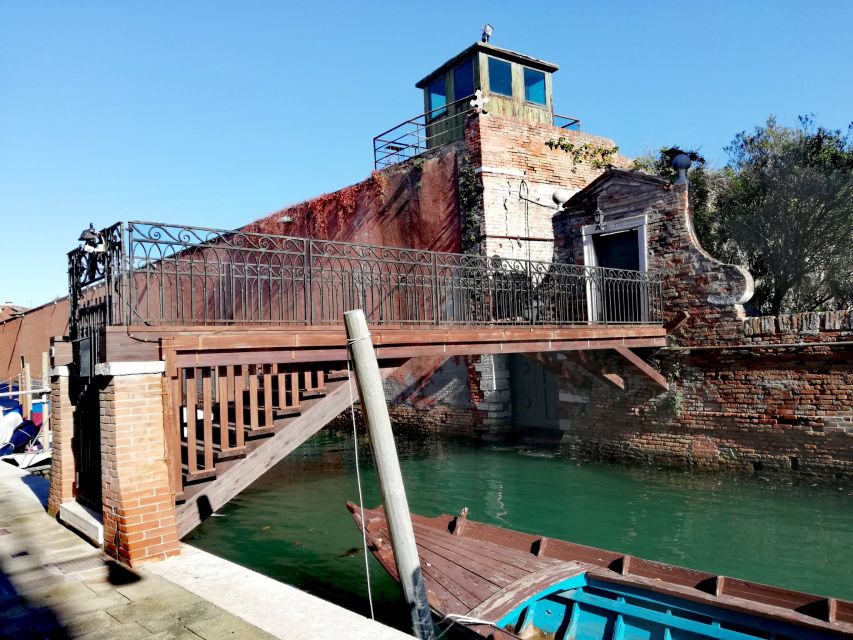
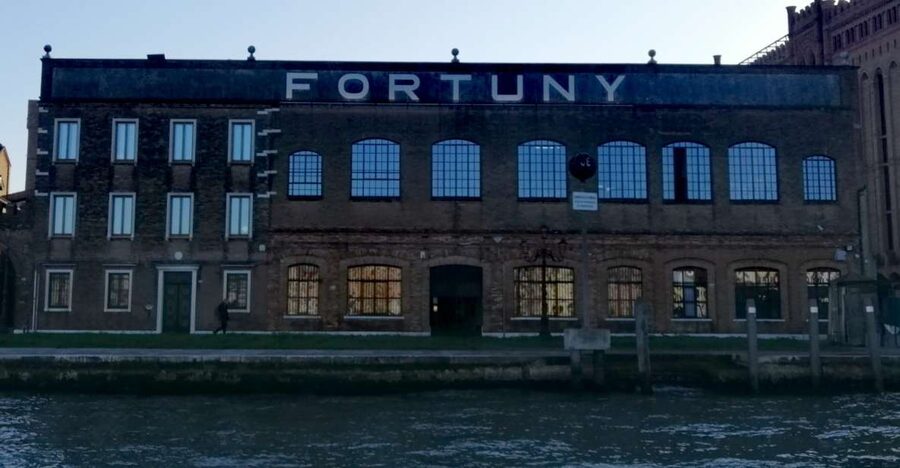
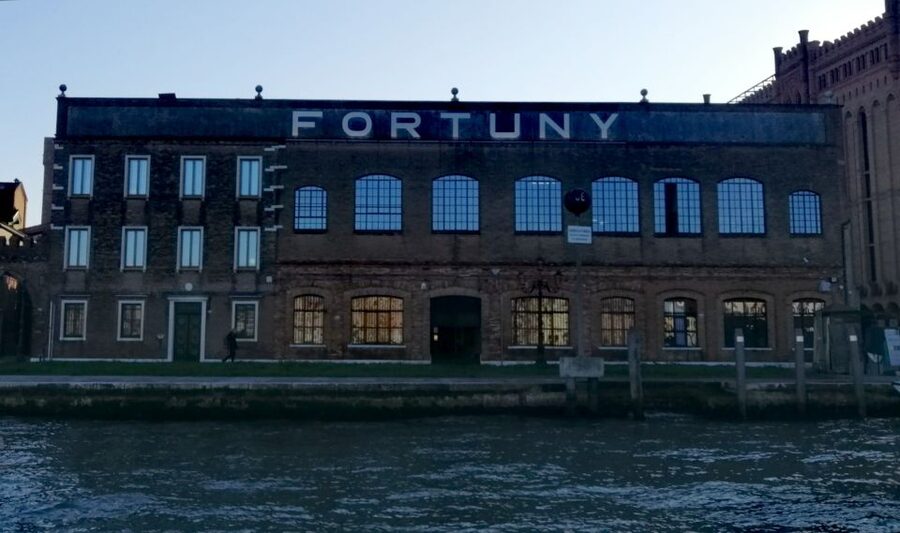
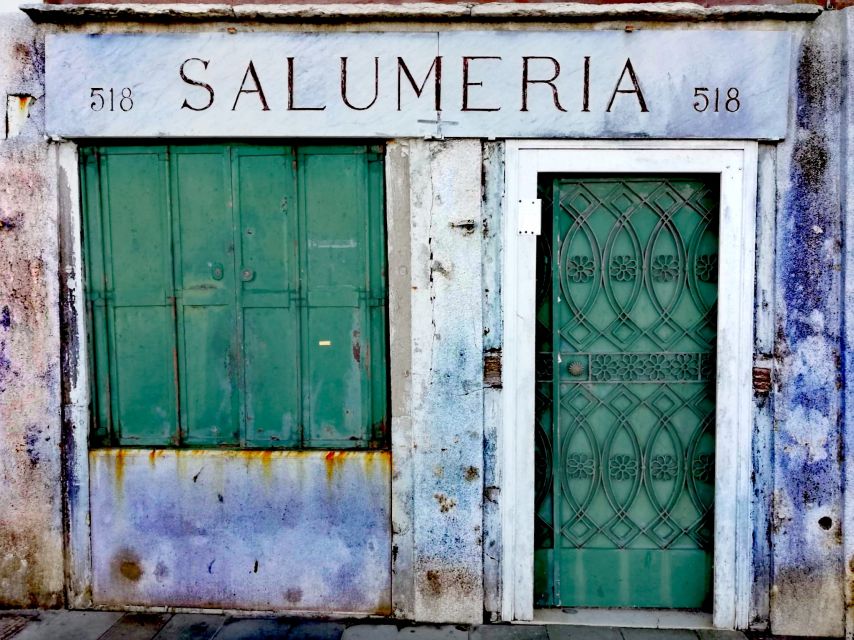
Giudecca’s history is not all gardens and quiet retreats. After the fall of the Venetian Republic, many earlier properties changed use. Warehouses, barracks, prisons, factories, and workers’ quarters became part of the island’s story.
This is the kind of context that can make an ordinary street more interesting. A building may look residential or neglected at first glance, but its former use helps explain its size, shape, or position. The guide’s role is to connect those visible details with the island’s larger changes.
I appreciate this part because it keeps the tour from becoming a simple search for pretty views. Giudecca has had practical work to do. It supplied space for industry and housing, then later attracted artistic and modern uses. That combination gives the island a more complicated identity than its peaceful waterfront suggests.
The tour does not list a set of named factory interiors, prisons, or warehouses that you will enter. Think of this section as an outdoor interpretation of Giudecca’s past. You see the places and urban patterns from the public route, with the guide explaining how they fit together.
A private group changes the pace
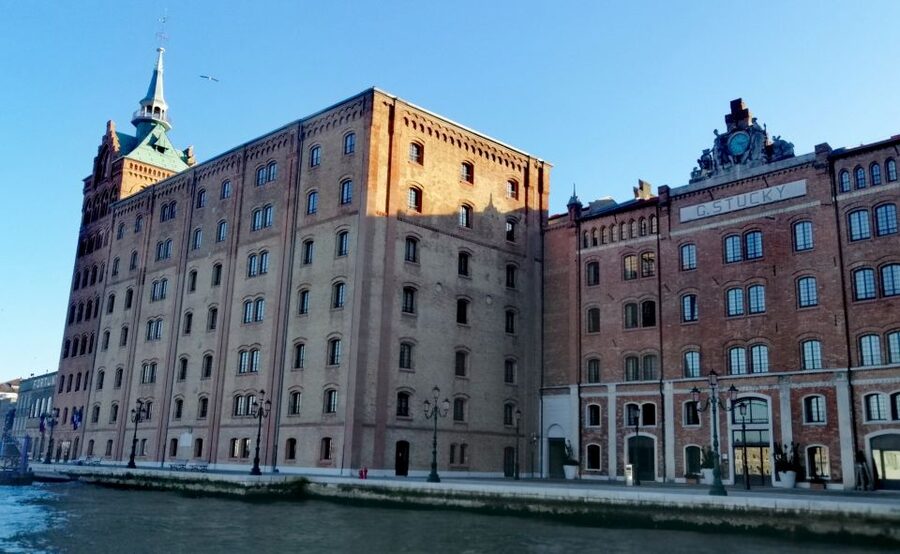
The private-group format is one of the strongest reasons to consider this experience. A two-hour walk can feel rushed in a large group, especially when the route includes both broad historical themes and small details in residential areas.
With a private group, you can ask about the features that catch your eye. You might want more context about a former industrial building, a garden, an artistic space, or the difference between the Venice-facing and lagoon-facing sides. The guide can keep the pace suited to your party rather than a busload of strangers.
That personal format also helps if you are comparing this tour with a standard Venice highlights walk. You are paying for access to a guide’s attention and for a route away from the most familiar central sights. At $146.14 per person, that is a serious price for two hours, particularly for solo visitors or couples.
The value improves if you are traveling with a private group that wants a focused outing. It also improves if you have already seen the main landmarks and now want to understand another part of the city. If your only goal is to collect famous sights quickly, this tour may feel expensive for what it covers.
What the guide adds to the walk
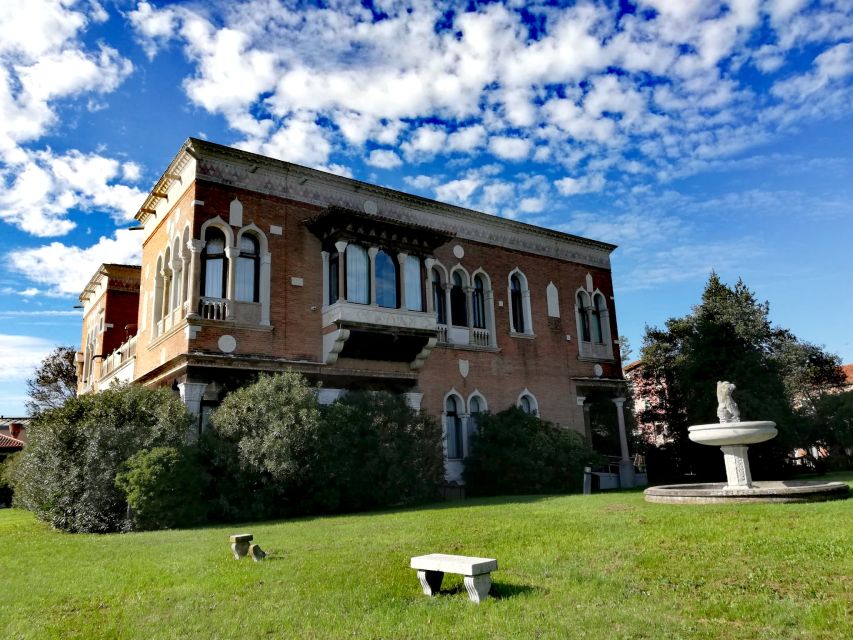
The guide is not only there to lead you from one point to another. The activity describes a tour leader with a nature and interpretive role, which suits Giudecca’s mix of open gardens, water, built spaces, and changing neighborhoods.
Valerio Coppo is specifically associated with the experience. The available feedback about him points to two qualities that matter on this type of walk: clear knowledge of the island and an easy, enjoyable manner. One Italian comment simply calls it a guide worth repeating, while another highlights his warmth and competence.
That praise fits the needs of Giudecca. The island is not best understood through a checklist. You need someone to explain why a quiet district matters, how old aristocratic and religious uses gave way to industry, and why artistic activity now appears in former working spaces.
The guide’s strongest contribution is likely the connection between these layers. Without that context, you could enjoy the air, views, gardens, and architecture but miss the reason they belong together.
Practical points about comfort and access
The tour lasts two hours and ends back at the Gesuati meeting point. It is a walking activity, so wear shoes suited to city streets and plan to remain on foot for the main part of the outing.
The experience is not suitable for wheelchair users or people with mobility impairments. That is important to take seriously before booking. The route includes quays, neighborhoods, and less familiar parts of the island, but no further accessibility details are provided.
The waterbus ticket to Giudecca is not included. Keep that small extra purchase in mind, especially if you are comparing the total cost with another guided walk.
Cancellation is flexible up to 24 hours before the start for a full refund, and you can reserve now and pay later. Those policies are useful if your Venice plans depend on weather, transport, or a changing schedule. Still, check the exact starting time before committing, since times depend on availability.
Who will get the most from this Giudecca walk
I would choose this tour if you have already seen some of central Venice or if you want your visit to include more than famous squares and palaces. It suits travelers who enjoy urban history, local neighborhoods, gardens, architecture, and the way old buildings acquire new uses.
It is also a good match for anyone who likes a guide-led walk but does not want a huge group. The private format lets you ask questions and keep the outing personal.
You may want to skip it if your Venice visit is very short and you have not yet seen the city’s essential sights. Two hours on Giudecca means two hours away from the central landmarks. The price may also feel high if you are mainly looking for transport to the island or a brief self-guided stroll.
Should you book the Giudecca Island Discover Walking Tour?
Book it if you want to understand Venice through one of its quieter, more changeable islands. The combination of waterbus views, a long pedestrian quay, gardens, galleries, residential streets, and industrial history gives you a side of Venice that a standard central-city route cannot provide.
The main reason to book is the private guidance, especially with Valerio Coppo and the option to tour in English, German, Italian, or Spanish. The main reason to hesitate is the $146.14 price per person, plus the separate waterbus fare, for a two-hour outing.
For a private group that values context and a calm pace, I think the cost can make sense. For a budget-conscious visitor or a first-time visitor with limited hours, spend your money on the core sights first, then consider Giudecca if you have time left.
FAQ
Where does the Giudecca walking tour start?
Meet your guide in front of the Church of Saint Mary of the Rosary, also known as the Gesuati.
Where does the tour end?
The activity ends back at the meeting point by the Gesuati church.
Is the waterbus ticket included?
No. You purchase the waterbus ticket on board separately.
How long does the tour last?
The walking tour lasts two hours. Starting times depend on availability.
Which languages are available?
The live guide is available in English, German, Italian, and Spanish.
Is this a private tour?
Yes. The activity is offered for a private group.
Is the tour suitable for wheelchair users?
No. The experience is not suitable for wheelchair users or people with mobility impairments.
Recently added around Venice
- Your evening in Venice – Legends&Ghosts&Aperitif★ 4.7 · 79 reviews
- Venice: City Tour & Skip the Line for St. Mark’s Basilica★ 4.1 · 84 reviews
- Walking Tour to Uncover the Hidden Venice★ 4.4 · 34 reviews
- Wine Tasting in Venice★ 4.6 · 42 reviews
- Venice: Walking Tour & Gondola Ride★ 4.4 · 22 reviews
- Venice: Watercolor Painting Class at the Prisons Palace★ 4.7 · 27 reviews
- VIRTUAL MUSEUM: Creature di Gomma – Venice Vintage Toys★ 4.7 · 3 reviews
- Venice Walking Tour from St. Mark’s to Rialto Bridge★ 4.5 · 12 reviews
Venice Walking Tours, compared.
Rialto Bridge & Offbeat Unusual Venice Walking Tour
Read our review →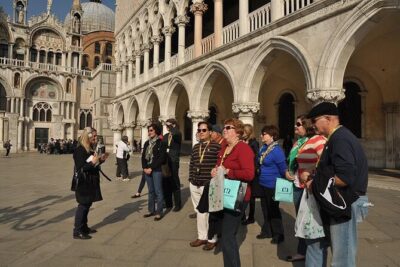
Private 3 hrs Venice Tour: St Mark’s, Walking tour & Boat tour
Read our review →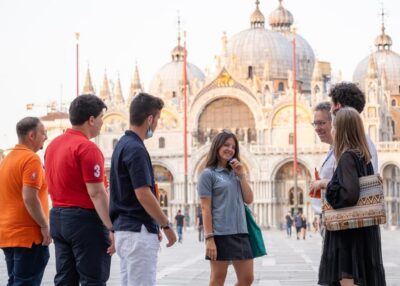
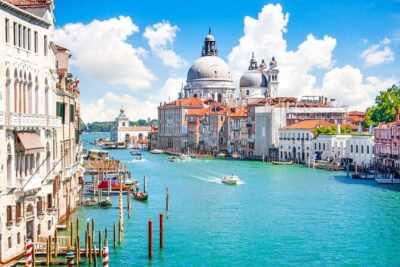
Private Best of Venice Walking Tour with St Mark’s Basilica
Read our review →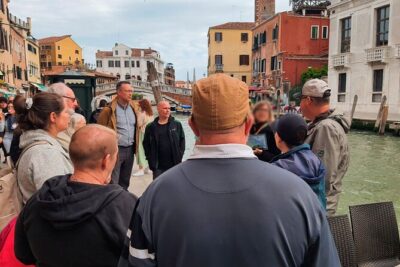
Venice Sightseeing Small Group Walking Tour with a Local Guide
Read our review →
Walking tour, Doge Palace, & St. Mark’s Basilica
Read our review →
Sunset Walking Tour with Food and Wine Tastings
Read our review →Browse the lists this tour appears in