
Reviewed · MURANO BURANO AND TORCELLO ISLAND TOURS
Murano: In Depth Glass Factory Guided Tour
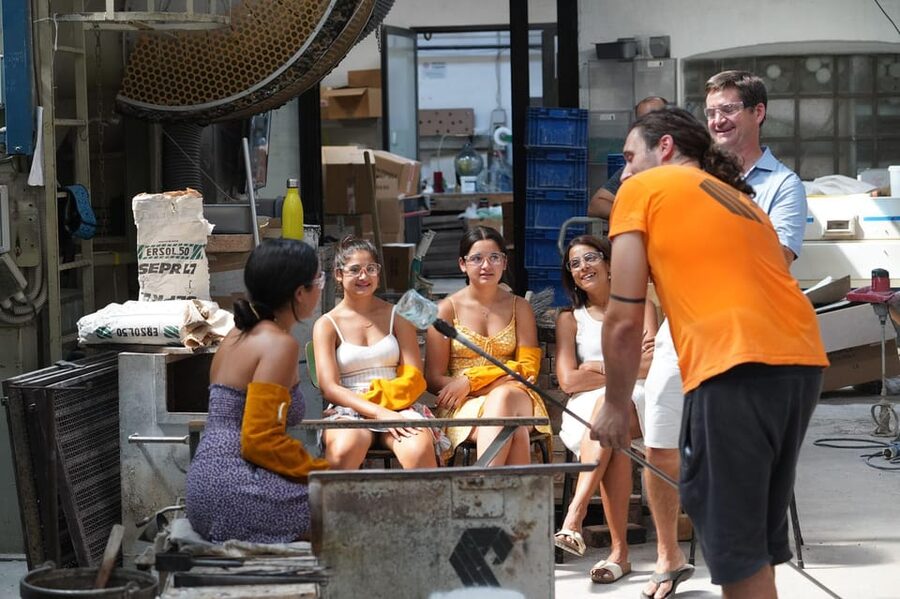
Murano glass is best understood beside a roaring furnace, not behind a shop window. This 50-minute visit takes you through the batch room, hotshop, and coldshop, then puts you close to the masters as they shape molten glass.
I like the small groups of up to eight and the clear look at the full process, from sand and chemicals to cutting and polishing. I also like the no-pressure approach: you can see the work without being pushed to buy anything. The main drawback is the short running time, and the tour is offered only in English on weekdays.
Key points at a glance
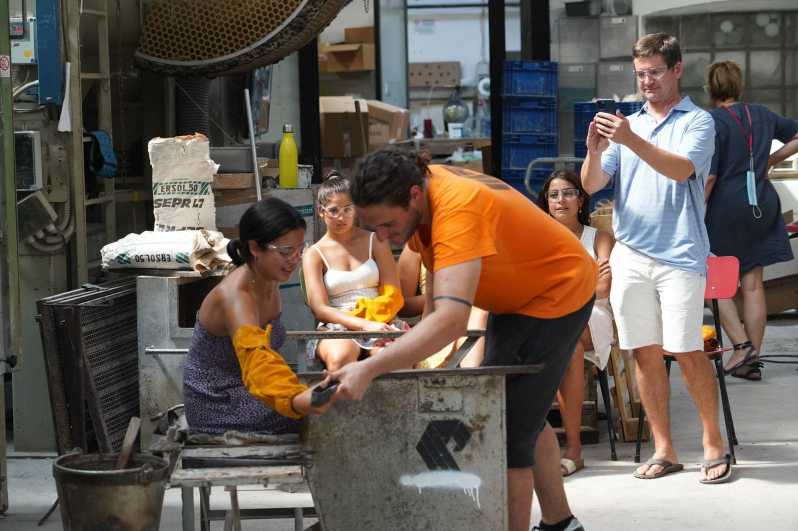
- Watch glass masters work at close range: See original Murano glass shaped in front of you rather than only viewing finished pieces.
- Follow the complete production chain: The tour moves from the batch room to the hotshop and then to the coldshop.
- Learn how a 1,400°C furnace is fed: Sand and other chemicals are mixed before becoming molten glass.
- See the cold finishing process: Machines carve, drill, cut, flatten, and polish the glass.
- Small group, no required purchase: Groups are limited to eight, and buying anything is not part of the tour.
- Plan your Murano timing carefully: Check in at the gallery first, arrive five minutes early, and allow as much as 50 minutes to reach Murano from Venice.
Why this Murano tour feels different
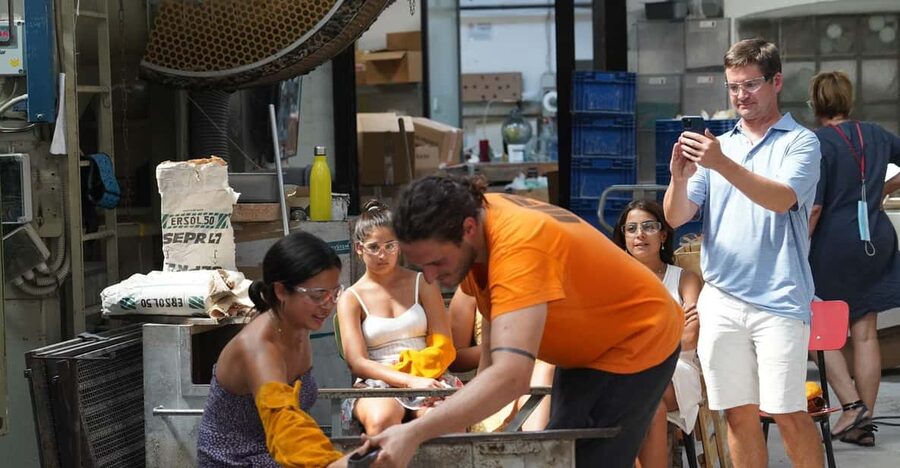
Murano has plenty of glass shops, but shops are not factories. A display case can show you the final result while hiding the heat, timing, tools, mistakes, and repeated handling that make the work possible.
This visit is built around that missing middle. You see where the raw materials begin, how the molten glass is shaped, and how a rough piece is finished. That makes the tour useful even if you do not plan to buy a single ornament.
I especially like the practical focus. You are not simply told that Murano glass is handmade. You are shown the work area and the stages that give the material its shape. When the master gathers molten glass, handles it with long tools, and forms it in front of you, the process becomes much easier to understand.
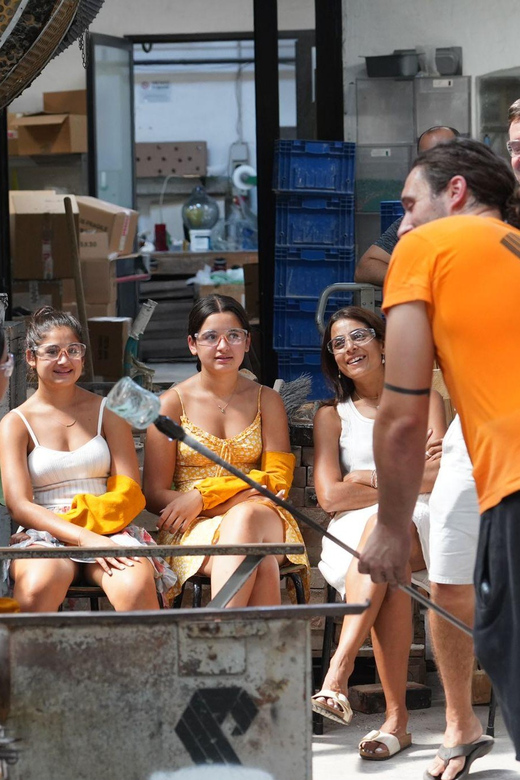
The group limit also matters. With no more than eight people, you have a better chance of seeing the action rather than peering over a large crowd. The compact format keeps the visit focused, though it also means the guide has limited time to pause over every question.
More Murano glassblowing visits:
- Venice: Burano, Torcello & Murano Boat Tour w/Glassblowing
★ 4.4 · 10,245 reviews - Venice: Murano and Burano Boat Tour with Glass Factory Visit
★ 4.2 · 9,527 reviews - Venice: Murano & Burano Panoramic Boat Tour w/ Glassblowing
★ 4.4 · 6,212 reviews
Start at the gallery, not the factory
Your meeting point is the provider’s gallery. This is important because the gallery is not inside the factory, and you must check in there before being led onward.
Arrive five minutes before the scheduled start. That small buffer gives you time to find the correct place and complete check-in without holding up the group. Do not treat the appointment as a casual arrival at the factory door.
From Venice, the trip to Murano can take up to 50 minutes depending on where you start and how you connect. I would plan the entire journey, not just the 50-minute tour. A late arrival could cost you a large part of the visit because the group moves through working areas on a fixed schedule.
Murano itself is an island in the Venetian lagoon, so this outing works best when you set aside a clear block of time. You can pair it with other time on Murano, but avoid booking something immediately afterward unless you have allowed room for transport and delays.
The batch room explains where glass begins
The first stop is the batch room, where sand and other chemicals are mixed. This is the quiet, technical starting point, far removed from the glowing finished objects in the gallery.
The mixture must be prepared with care before it enters the furnace. Once charged into a furnace reaching about 1,400°C, it melts into glass. That simple sequence gives you a useful foundation for the rest of the visit: the color, clarity, and working qualities of the final piece begin with what goes into the batch.
This section may be less dramatic than the hotshop, but I would not skip over it mentally. It answers a basic question that many short glass demonstrations leave out: where does the glass come from before the master starts shaping it?
The guide explains the role of this room as part of the full factory process. If the technical side is new to you, the later demonstrations help connect the mixture to the molten material you see in the furnace area.
Inside the hotshop, timing matters
The hotshop is the central event. Here you learn how the chemical mix becomes molten glass and how the furnaces operate. You also get an overview of the tools used to handle and shape the material.
The most memorable part is seeing the glass masters work close by. You are not watching a distant stage presentation. The action happens in a real production setting, with hot glass being formed into an original piece in front of you.
Glass moves quickly from one stage to the next. Heat, gravity, tools, and the master’s hand all affect the result. A short pause or a misplaced movement can change the shape, so the demonstration gives you a better sense of why the craft demands control.
Marco is named as one of the people who has guided visitors through the factory process. The explanation is in English, and the information is meant to be followed while you watch the work happen. That combination is useful because the material can be difficult to picture from words alone.
The heat is also part of the setting. You will be in a working area rather than a quiet museum room, so expect an industrial environment. Safety glasses are provided for everyone. You need to wear closed-toe shoes, and sandals or flip-flops are not allowed.
More island days out to Murano, Burano and Torcello:
- Boat Trip: Glimpse of Murano, Torcello & Burano Islands
★ 4.3 · 15,699 reviews - Murano, Burano and Torcello Half-Day Sightseeing Tour
★ 3.5 · 7,928 reviews - Murano & Burano Islands Guided Small-Group Tour by Private Boat
★ 4.5 · 7,580 reviews - Venice: Murano, Burano, Torcello, and Glass Factory Tour
★ 4.4 · 5,563 reviews
The coldshop shows the finishing work
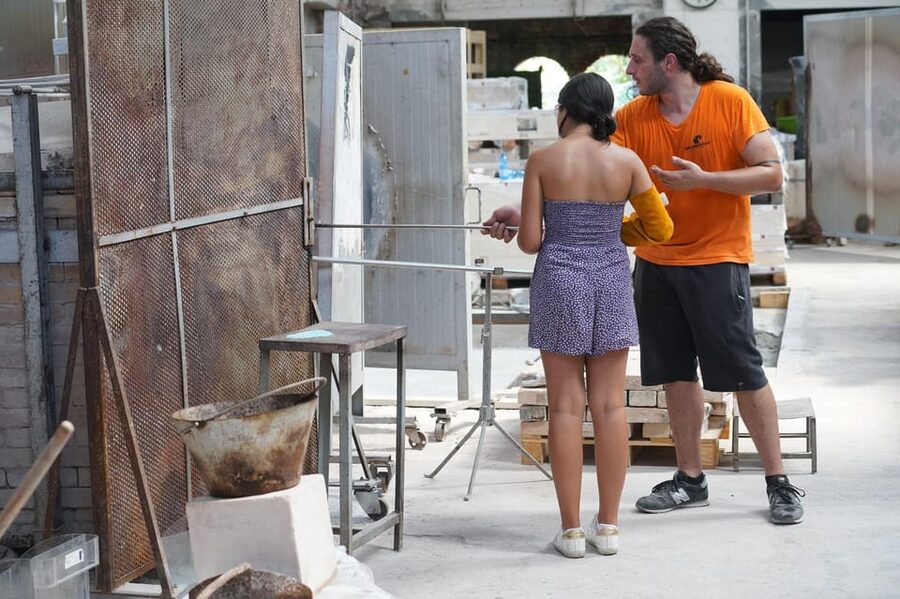
After the furnace area, the tour moves to the coldshop. This is where the finished form begins to look polished and intentional.
You can see machines used to carve, drill, cut, flatten, and polish the glass. These steps matter because the hotshop does not always create a ready-to-display object in one motion. A piece may need precise trimming, surface work, or polishing before its final appearance is complete.
I find this section valuable because visitors often focus only on glass blowing. The coldshop reminds you that the craft continues after the dramatic burst of heat. The final surface and shape depend on less theatrical work as well.
The three-stage route also gives the 50-minute visit a clear rhythm. You begin with preparation, watch transformation in the hotshop, and finish with mechanical refinement. It is a compact lesson in production rather than a single demonstration repeated for an audience.
The best part is standing near the masters
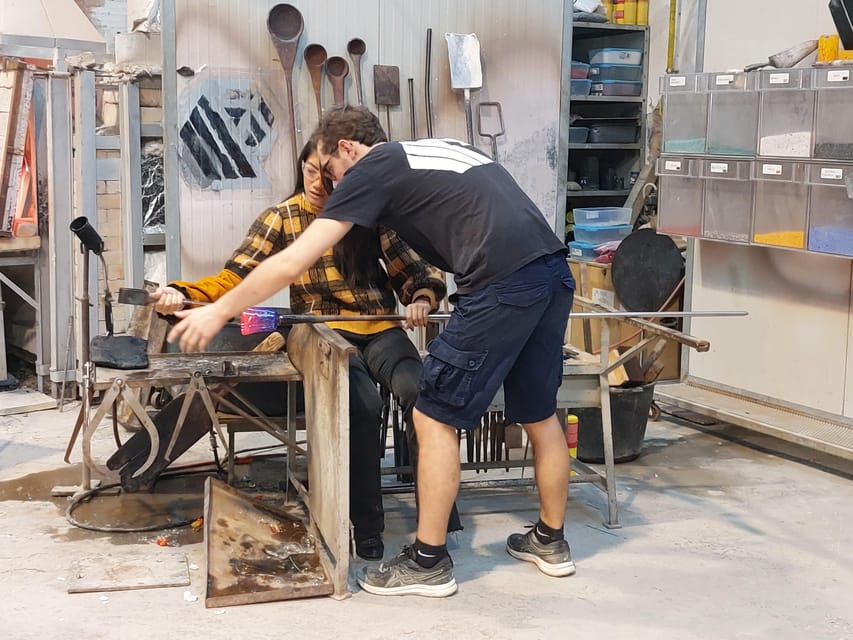
The strongest feature of this experience is proximity. You can stand next to the glass masters as they make the pieces, which gives you a better view of their tools and hand movements.
That closeness changes the way you see Murano glass afterward. When you walk around Venice and notice glass objects in shop windows, you have a clearer idea of the work behind them. You can recognize that the finished object is the last step in a chain involving raw materials, intense heat, shaping, cooling, cutting, and polishing.
The format also works well for families. Children have a direct visual reason to pay attention: hot glass changes shape in front of them. One parent reported that children loved seeing how glass was made. Still, the factory environment and short English explanation may not suit every child, especially if your family needs a highly interactive activity.
You should also keep your expectations sensible. This is a guided factory visit, not a full glassblowing class. You watch the masters work and learn about the process. An additional 20-minute workshop may be available as a separate activity, where a participant can receive help making a drinking glass, but that is not part of the basic 50-minute tour.
What the $34 price really buys you
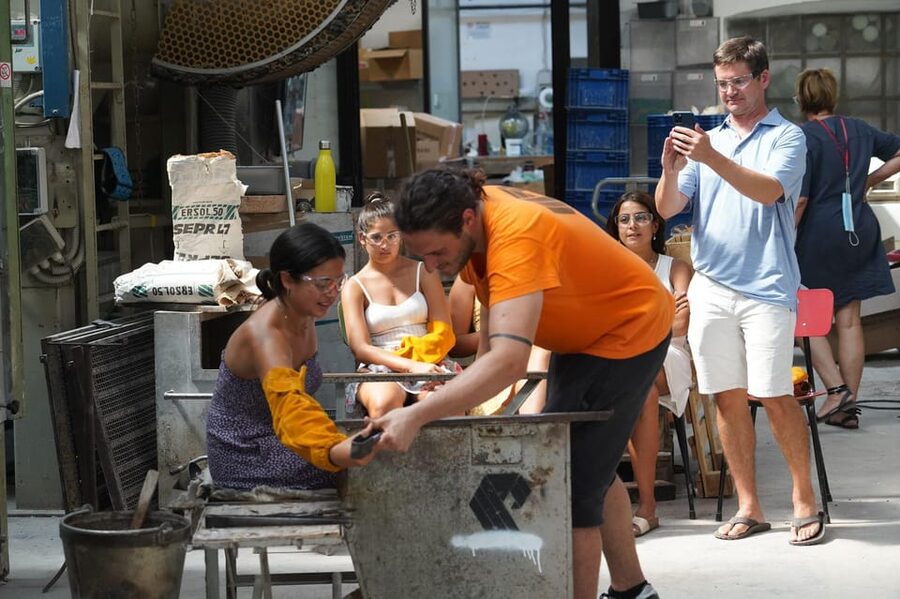
At $34 per person, this is not the cheapest way to spend an hour in the Venice area. You are paying for access to a working factory, a live English explanation, a small group, and a structured look at several production areas.
The value depends on what you want from Murano. If your main goal is to browse shops, you can do that without booking a tour. If you want to understand how the glass is made and watch the craft at close range, the price is more reasonable.
The group limit of eight is a useful part of the value. A large demonstration can leave you standing behind other people, especially around the hotshop. A smaller group makes it easier to hear the guide and watch the master’s hands.
There is also no obligation to buy. That matters in a place where visitors can feel steered toward a purchase. You can concentrate on the factory process, then decide for yourself if you want to visit the gallery or shop afterward.
The tour lasts only 50 minutes, so it is best viewed as a focused introduction. It is not a half-day study of Venetian glass, and it will not cover every technique used across Murano. For a first look, though, it covers the main stages in a sensible order.
Who should book this experience
I would choose this tour if you want a direct look at traditional production rather than another shop visit. It is particularly suitable for:
- You want to see glass shaped live by working masters.
- You prefer a small group to a large sightseeing presentation.
- You are curious about the full process, including raw materials and finishing machinery.
- You are visiting Venice with children who enjoy watching objects being made.
- You do not want a shopping requirement attached to your factory visit.
- You are comfortable following an English-only explanation.
It is less suitable if you need wheelchair access or have mobility impairments. It is also listed as unsuitable for people with epilepsy or a cold. The information does not give further medical or site details, so you should contact the provider if you need to clarify a particular concern.
Because the tour is English-only, I would not book it for someone who needs an explanation in another language. The demonstration is visual, but the batch room, furnace process, and tool explanations are important parts of the visit.
Practical details that can make or break the visit
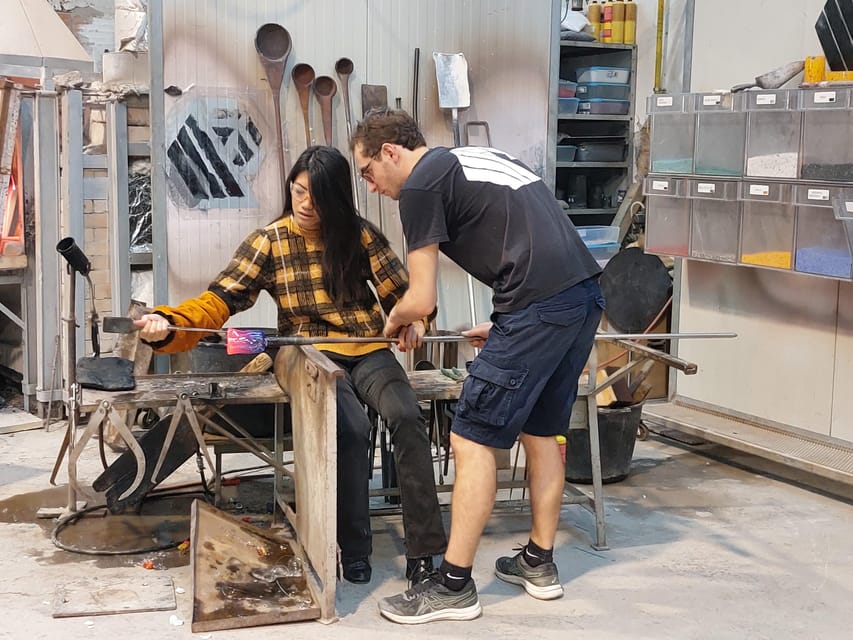
Wear comfortable, closed-toe shoes. This is a working factory, and sandals and flip-flops are not permitted. Safety glasses are supplied, so you do not need to bring your own.
The tour does not run on Saturdays or Sundays at present. Check the available weekday times before arranging your Murano day, especially if your Venice stay is short.
You should also allow for the transfer from Venice. Depending on your starting point, reaching Murano may take up to 50 minutes. Since the meeting point is the gallery and not the factory, include time to find the gallery and check in before the tour begins.
Free cancellation is available up to 24 hours in advance, and you can reserve now and pay later. Those terms are useful if your Venice schedule depends on transport or weather, but they do not remove the need to arrive on time.
My verdict on the Murano factory visit
I would book this if you want the working side of Murano glass, especially the chance to stand close to the masters as they shape molten glass. The strongest points are the small group, the full route from batch room to coldshop, and the absence of sales pressure.
I would skip it if you only want to shop, need a non-English tour, or have mobility and medical concerns that make the factory unsuitable. For everyone else, $34 buys a compact, well-focused look at the craft behind the famous objects. Plan the transport carefully, wear proper shoes, and treat the visit as a factory lesson rather than a shopping stop.
FAQ
How long does the Murano glass factory tour last?
The tour lasts 50 minutes.
How much does the experience cost?
The price is $34 per person.
Is the tour offered in languages other than English?
No. The tour is led only in English.
Where does the tour begin?
You check in at the provider’s gallery. The gallery is not inside the factory, and you are led to the factory afterward.
How early should I arrive?
You should arrive five minutes before the scheduled starting time.
What should I wear?
Wear comfortable, closed-toe shoes. Sandals and flip-flops are not allowed. Safety glasses are provided.
Does the tour run on weekends?
No. Tours are not currently organized on Saturdays or Sundays.
Recently added around Venice
- Your evening in Venice – Legends&Ghosts&Aperitif★ 4.7 · 79 reviews
- Walking Tour to Uncover the Hidden Venice★ 4.4 · 34 reviews
- Wine Tasting in Venice★ 4.6 · 42 reviews
- Venice: City Tour & Skip the Line for St. Mark’s Basilica★ 4.1 · 84 reviews
- Venice: Walking Tour & Gondola Ride★ 4.4 · 22 reviews
- Venice: Watercolor Painting Class at the Prisons Palace★ 4.7 · 27 reviews
- VIRTUAL MUSEUM: Creature di Gomma – Venice Vintage Toys★ 4.7 · 3 reviews
- Venice Walking Tour from St. Mark’s to Rialto Bridge★ 4.5 · 12 reviews
Murano Burano and Torcello Island Tours, compared.
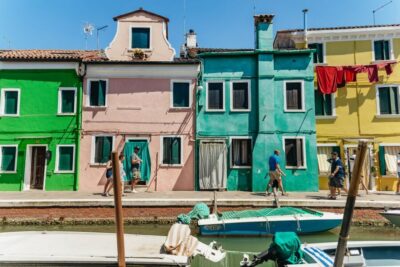
Boat Trip: Glimpse of Murano, Torcello & Burano Islands
Read our review →
Burano, Torcello & Murano Boat Tour w/Glassblowing
Read our review →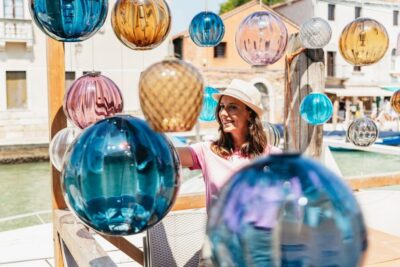
Murano and Burano Boat Tour with Glass Factory Visit
Read our review →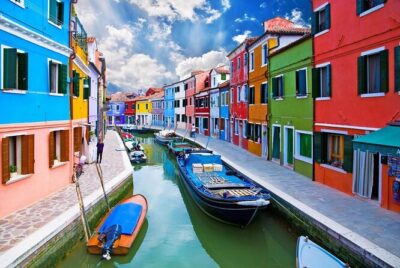
Murano, Burano and Torcello Half-Day Sightseeing Tour
Read our review →
Murano & Burano Islands Guided Small-Group Tour by Private Boat
Read our review →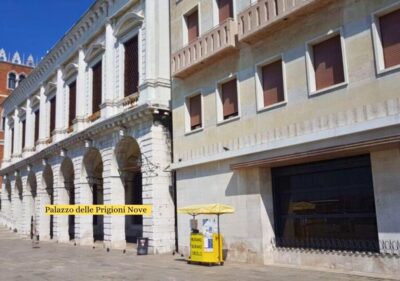
Murano & Burano Panoramic Boat Tour w/ Glassblowing
Read our review →
Venice Islands: Murano Glass & Burano Colors Guided Visit
Read our review →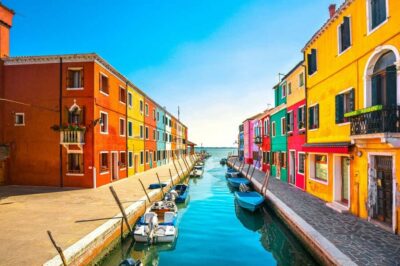
Browse the lists this tour appears in