
Reviewed · ST MARKS BASILICA TOURS AND TICKETS
Venice: Private Walking Tour with Saint Mark’s Basilica
Venice reveals itself best on foot, and this tour follows a fine route from the Rialto market to St. Mark’s Basilica. You’ll cross Rialto Bridge, slip through narrow lanes, and reach the city’s grandest square with a local guide to explain what you’re seeing. The separate entrance at St. Mark’s can save valuable time.
I like the mix of everyday Venice and grand monuments: fresh produce at San Giacomo di Rialto, then the sweeping Grand Canal view from Rialto Bridge. I also like the small private format, which gives you room to ask about Venetian families, churches, and the city’s power struggles. The main drawback is important: restoration work currently prevents entry into the basilica’s main interior, so the visit focuses on the terrace and museum instead.
Key points
- Rialto market at the start: See where locals buy fresh produce beside the Grand Canal.
- Best bridge view: Walk to the highest point of Rialto Bridge for a broad look along Venice’s main waterway.
- Historic churches en route: Pass San Giovanni Crisostomo, Santa Maria Formosa, and the church of Santi Giovanni e Paolo.
- St. Mark’s without the usual wait: Use a separate entrance for the basilica visit, subject to current access rules.
- Terrace and museum access: During restoration, these replace a visit to the basilica’s main interior.
- Private guide service: English, Spanish, and French tours are available, with private or small-group options.
From the Rialto market to Venice’s grandest square
This two to two-and-a-half-hour walk gives you a clear introduction to central Venice without trying to cover the whole city. You start in the Rialto area, one of the most useful places to begin because it combines daily life, old churches, a major bridge, and easy access to the historic center.
The route is not just a string of photo stops. Your guide leads you through changing parts of Venice. At first, you see commerce and local routines. Later, the streets open into formal squares and church fronts. The final stretch brings you to St. Mark’s Square, where Venice’s political and religious power once gathered in one dramatic setting.
I would choose this tour early in a Venice stay. It helps you get your bearings fast, and the guide can give meaning to details you might otherwise pass without notice. The pace is walking-focused, with no transport included, so wear shoes that are comfortable on uneven city paving.
More ways into St Mark’s Basilica:
- Doge’s Palace & St. Mark’s Basilica with Terrace Access Tour
★ 4.7 · 10,697 reviews - Venice: Doge’s Palace, St Mark’s Basilica, and Pala d’Oro
★ 4.4 · 6,235 reviews - Legendary Venice: Doge’s Palace, St Mark’s & VIP Terrace Access
★ 4.5 · 5,033 reviews
San Giacomo di Rialto and the city’s daily market
The meeting point is in the Rialto area, with one listed starting option at Sotoportego del Bancogiro near Ponte di Rialto. From there, you visit San Giacomo di Rialto, a picturesque square with one of Venice’s oldest churches, the church of San Giacometto.
The nearby food market adds a useful dose of ordinary life. Fresh produce is sold beside the Grand Canal, and the setting reminds you that Rialto is more than a famous bridge. It has long been a working part of the city, tied to buying, selling, and moving goods by water.
Your guide uses this opening to explain the area and its place in Venice. The market is likely to be most interesting if you enjoy seeing how a city functions beyond its monuments. It is not a cooking class or food tasting, so do not book this expecting samples or a meal. Think of it as a short cultural stop built into a walking route.
The market can also make this part of the tour feel less polished than St. Mark’s Square. That is a positive if you want a look at Venice as a lived-in city, though visitors seeking only grand architecture may find the stop less dramatic.
Rialto Bridge and the Grand Canal view
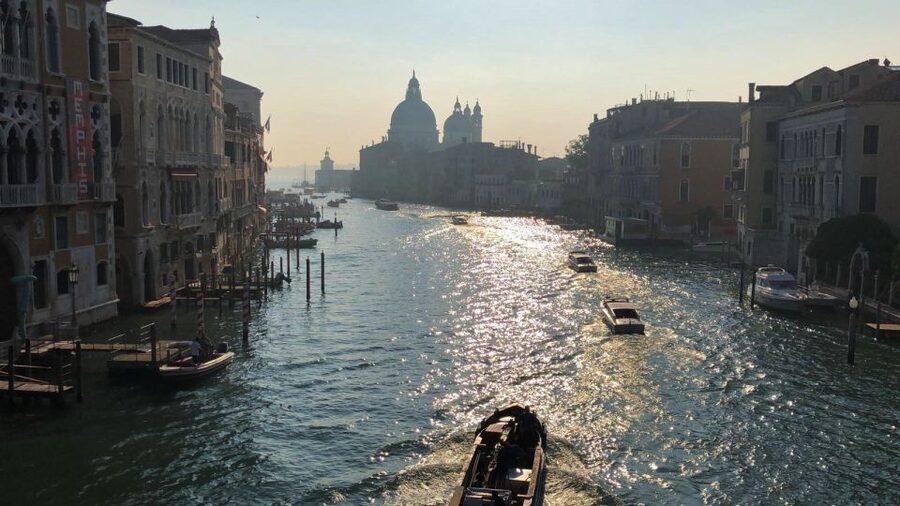
The walk then reaches Rialto Bridge, Venice’s best-known crossing over the Grand Canal. The guide takes you toward its highest point, where the waterway opens out in both directions.
This is one of the strongest moments of the tour. From above, you can watch the Grand Canal curve through the city and see why Venice developed around water rather than roads. The view gives you a useful map in your head: the canal is not simply scenery, but the central route that shaped trade and movement.
Rialto Bridge itself is lined with shops, and the crossing can feel crowded. Your guide helps you focus on the view and the structure instead of treating the bridge as a quick photo stop. Bring a camera, but also take a moment to look along the canal. The highest point offers a better sense of scale than the approach from street level.
The bridge is reached on foot, and the route includes stairs and narrow lanes. Anyone who finds steps difficult should consider this before booking. The tour description does not promise a step-free route.
Campo San Bartolomeo and narrow Venetian lanes
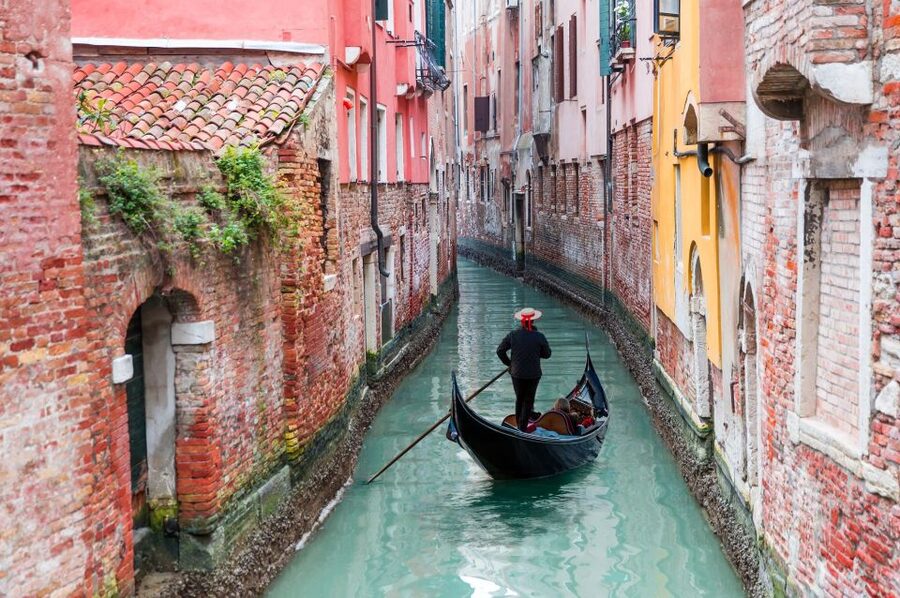
After Rialto, the route moves through Campo San Bartolomeo and a maze of smaller streets. This transition is valuable because Venice often feels most distinctive away from its headline sights.
The guide shares stories about Venetian families as you go. That kind of commentary can make the buildings more readable. A doorway, a small square, or a grand facade begins to fit into a story about social rank, power, and neighborhood life rather than appearing as a random old building.
You will not get every corner of Venice in two hours. Instead, the walk gives you a sample of how the historic center is arranged: small passages opening into wider campos, churches appearing suddenly between residential buildings, and major monuments reached by a route that feels less direct than a modern city street.
This is also where a private guide has a practical advantage. If you want to ask why a church matters, how Venice’s families gained influence, or where to return later, the format allows for conversation. The tour is not a large group moving to a script.
More walking tours in Venice:
- Venice Walking Tour and Gondola Ride
★ 3.5 · 3,630 reviews - Venice: Rialto Bridge & Offbeat Unusual Venice Walking Tour
★ 4.2 · 3,538 reviews - Private 3 hrs Venice Tour: St Mark’s, Walking tour & Boat tour
★ 4.0 · 3,372 reviews - Venice: City Center Historical Guided Walking Tour
★ 4.2 · 1,873 reviews
San Giovanni Crisostomo and Santa Maria Formosa
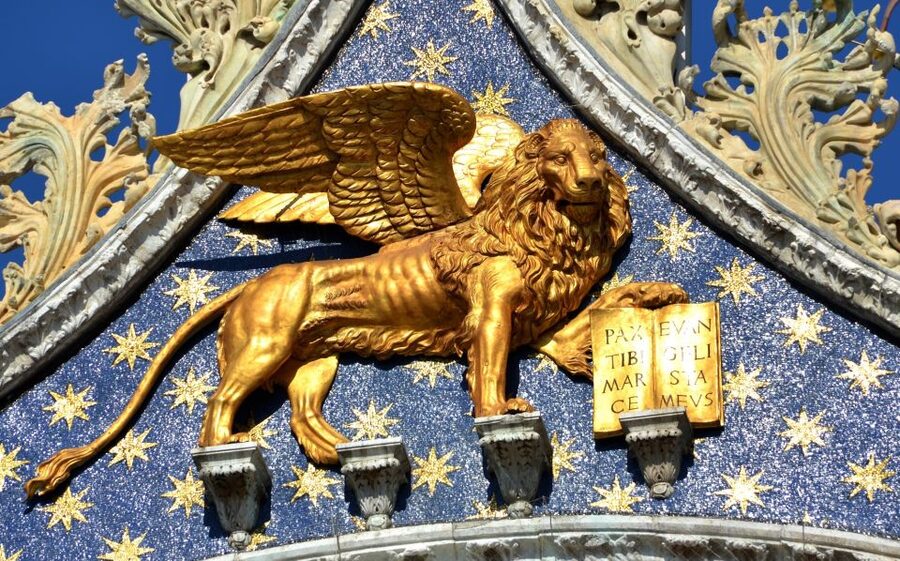
The route passes the church of San Giovanni Crisostomo before continuing toward Santa Maria Formosa. These stops add religious and architectural variety to the walk.
San Giovanni Crisostomo is included as a visit and guided stop. The tour then brings you to the church of Santa Maria Formosa, known for its Gothic and Renaissance facades. You get to compare different architectural moods rather than seeing only the ornate style associated with St. Mark’s.
The route also includes Santi Giovanni e Paolo. The supplied schedule gives it as part of the walking route, while the listed stop details focus more closely on San Giovanni Crisostomo and Santa Maria Formosa. Your guide’s commentary connects these churches to the neighborhoods around them.
I like this section because it prevents the tour from becoming a straight march between Rialto and St. Mark’s. You see how Venice’s religious buildings are woven into ordinary streets and public squares. Still, keep your expectations in check: this is a guided introduction, not an extended art-history lecture at each church.
St. Mark’s Square and the power of the Doge
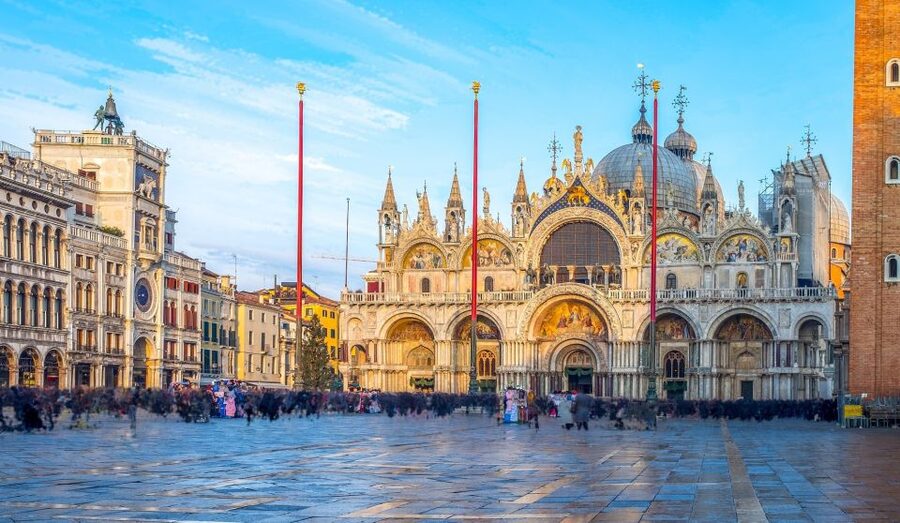
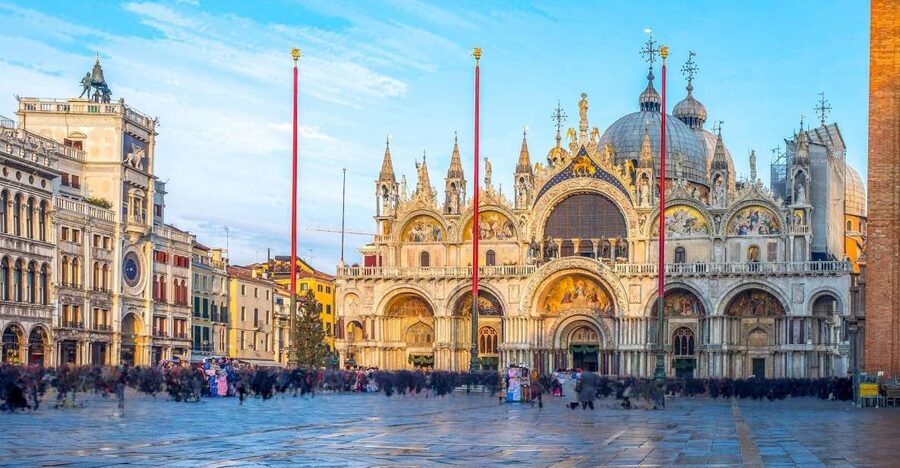
The final approach brings you into Piazza San Marco, Venice’s grand ceremonial center. Here you face St. Mark’s Basilica and see the facade of St. Mark’s Campanile, the famous bell tower.
The square is a sharp contrast to the small lanes behind you. It was designed to make power visible. Your guide explains the relationship between the basilica and the neighboring Doge’s Palace, including the political struggles tied to these buildings.
That context matters. Without it, St. Mark’s Square can look like a collection of beautiful fronts and columns. With an explanation of the Doge’s authority and the basilica’s role, the square becomes a record of Venice’s ambition and government.
The tour does not include entry to the Doge’s Palace. You view and discuss it from the square, then continue into St. Mark’s Basilica. If both buildings are priorities for you, plan a separate Doge’s Palace visit.
Entering St. Mark’s Basilica during restoration
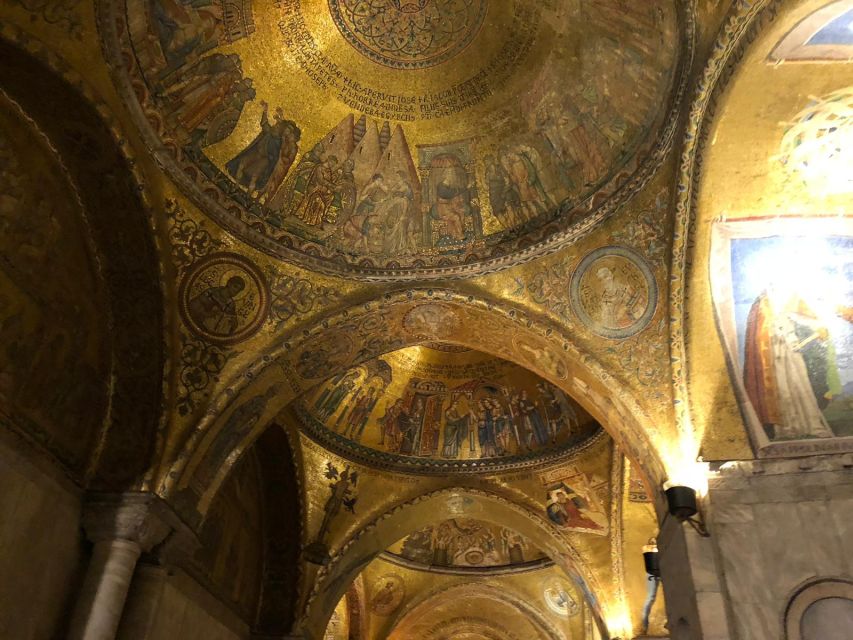
Skip-the-line access is one of the main reasons to book this experience. The basilica is reached through a separate entrance, which can be especially useful when the square is crowded and the regular queue is long.
There is a current limitation: the main interior is not available because of ongoing restoration work. Instead, the tour visits the basilica’s terrace and museum. This is a major point to consider before paying for the tour, since the standard appeal of St. Mark’s is its vast interior and golden mosaics.
The terrace still gives you a valuable view from the basilica and across St. Mark’s Square. The museum adds another way to understand the church and its art. But the access is not the same as standing beneath the full mosaic-covered interior, so confirm the current arrangement when you check dates.
When normal interior access resumes, the basilica portion is designed to include the huge golden mosaics and guided interpretation. At present, the restoration notice takes priority over that expectation. The guide can still explain the building, its place in Venetian history, and the views from the accessible areas.
Dress properly for entry. Knees and shoulders must be covered. This applies even on a warm day, so carry a light layer or clothing that provides enough coverage.
What the guide adds to the walk
A private walking tour succeeds or fails on the guide’s commentary. Here, the emphasis is on local stories, small details, church facades, and the political history behind St. Mark’s Square.
One guide identified in the tour feedback is Rome, who was praised for detailed knowledge of the city and for explaining its smallest details. The comments also point to strong appreciation for the guide’s commentary and the value of having someone who knows Venice as a native. Those are the qualities you want on this route: clear orientation, useful stories, and answers to questions that do not appear on a standard map.
English, Spanish, and French tours are available. Private and small-group formats are offered, so check the option carefully when booking. A private tour normally gives you the most freedom to ask questions and adjust the emphasis, while a small group may cost less but feel less personal.
The guide cannot change restoration access or guarantee a silent square. What the guide can do is help you use your limited time well and point out meaning in places that are easy to rush past.
Price, timing, and practical value
The listed price is $134.81 per person. That is a serious cost for a two to two-and-a-half-hour walk, but the value depends on how you use the service.
You are paying for a private or small-group guide, a focused route through several important parts of Venice, administration fees, and skip-the-line access to St. Mark’s Basilica. For a first visit, that combination can make sense, particularly if you want orientation and historical context rather than a self-guided walk.
The price is harder to justify if you mainly want a quick look at Rialto Bridge and St. Mark’s Square. You can see those public areas without a tour. The strongest value comes from the connection between the stops: the market, bridge, churches, family stories, political history, and basilica access are presented as one route.
The advertised duration is two to two-and-a-half hours, while the included description calls it a private two-hour tour. Allow roughly that range and check the exact start time when you select a date. Meeting details may vary by the option booked, and the activity is listed as ending back at the meeting point, with Piazza San Marco also shown among the drop-off locations.
You can reserve now and pay later, and cancellation is allowed up to 24 hours in advance for a full refund. Those terms help if your Venice plans are still shifting.
Who should book this Venice walk?
I would recommend it to first-time visitors who want a structured introduction without committing to a full-day tour. It also suits anyone who prefers conversation and questions over a large group presentation.
The route is a good fit if you care about:
- Seeing Rialto market as well as the famous sights
- Understanding Venice’s churches and public squares
- Getting a strong Grand Canal view from Rialto Bridge
- Saving queue time at St. Mark’s Basilica
- Walking through central Venice with a guide who can explain local details
I would hesitate if your main goal is a full interior visit to St. Mark’s Basilica right now. The current restoration limits access to the terrace and museum, so check the latest conditions before booking. I would also think twice if stairs, uneven paving, or two hours of walking are difficult for you.
Should you book it?
Book this tour if you want a compact, personal route from Rialto to St. Mark’s and value the stories between the major sights. The market, bridge view, lesser-known church stops, and guide commentary give the walk more substance than a simple monument checklist.
The decision turns on the basilica restoration. If terrace and museum access suit your plans, the separate entrance and private guide offer solid value. If you specifically want the full golden-mosaic interior, wait until that access is confirmed again or choose a tour whose current description matches what you most want to see.
FAQ
How long does the tour last?
The tour lasts about two to two-and-a-half hours. Check availability for the exact start times offered on your chosen date.
Where does the tour begin?
The starting point may vary by booking option. One listed meeting point is Sotoportego del Bancogiro, 127, near Ponte di Rialto.
Does the tour include skip-the-line entry to St. Mark’s Basilica?
Yes. The tour includes access through a separate entrance.
Can I enter the main interior of St. Mark’s Basilica?
Until further notice, restoration work prevents entry into the main interior. The visit includes the basilica’s terrace and museum instead.
What languages are available?
Live guides are available in English, Spanish, and French.
What should I wear for the basilica?
Your knees and shoulders must be covered to enter St. Mark’s Basilica.
Recently added around Venice
- Your evening in Venice – Legends&Ghosts&Aperitif★ 4.7 · 79 reviews
- Venice: City Tour & Skip the Line for St. Mark’s Basilica★ 4.1 · 84 reviews
- Walking Tour to Uncover the Hidden Venice★ 4.4 · 34 reviews
- Wine Tasting in Venice★ 4.6 · 42 reviews
- Venice: Walking Tour & Gondola Ride★ 4.4 · 22 reviews
- Venice: Watercolor Painting Class at the Prisons Palace★ 4.7 · 27 reviews
- VIRTUAL MUSEUM: Creature di Gomma – Venice Vintage Toys★ 4.7 · 3 reviews
- Venice Walking Tour from St. Mark’s to Rialto Bridge★ 4.5 · 12 reviews
St Marks Basilica Tours and Tickets, compared.
Doge’s Palace & St. Mark’s Basilica with Terrace Access Tour
Read our review →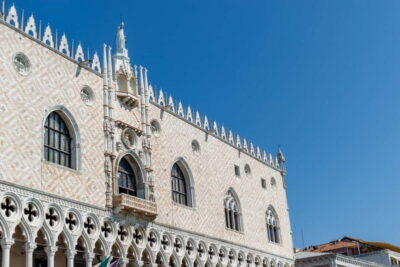
Doge’s Palace, St Mark’s Basilica, and Pala d’Oro
Read our review →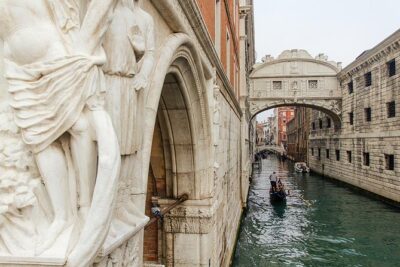
Legendary Venice: Doge’s Palace, St Mark’s & VIP Terrace Access
Read our review →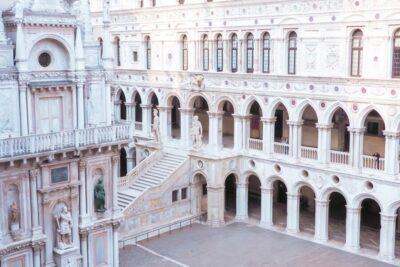
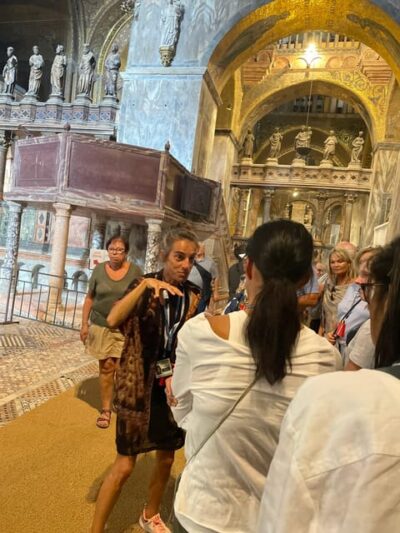
St. Mark’s Basilica & Doge’s Palace Tour with Ticket
Read our review →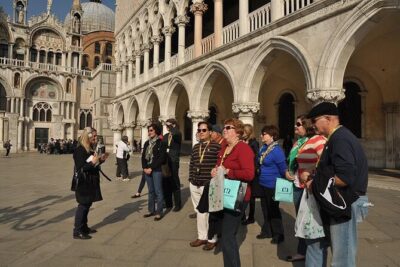
Private 3 hrs Venice Tour: St Mark’s, Walking tour & Boat tour
Read our review →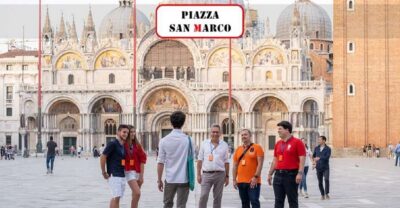
St Mark’s Basilica, Doge Palace, & Bell Tower Option
Read our review →
Venice’s Best: Basilica, Doge’s Palace, Gondola & History Gallery
Read our review →Browse the lists this tour appears in