Reviewed · PRIVATE
Venice for First-Timers: Essential Private Tour
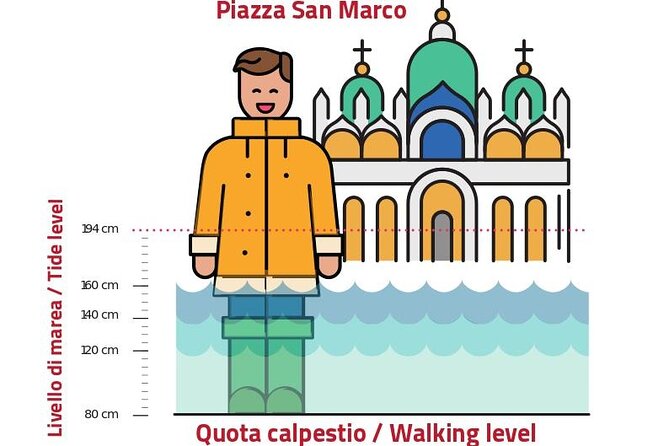
Venice’s most revealing story is not only inside its palaces. It is in the water beneath the city. This private tour follows the lagoon’s connection with the Adriatic and explains why Venice can cope with an 80-centimeter tide, yet suffer badly when the water reaches 140 centimeters. Acqua alta becomes a lesson in nature, engineering, and survival.
I like two things right away. First, guide Valerio Coppo is a local Venetian who brings the subject down to street level, with stories about daily life, less-visited corners, restaurants, cafés, chocolate shops, and gelato. Second, the group is capped at eight people, so you have room to ask questions rather than listen from the back of a crowd.
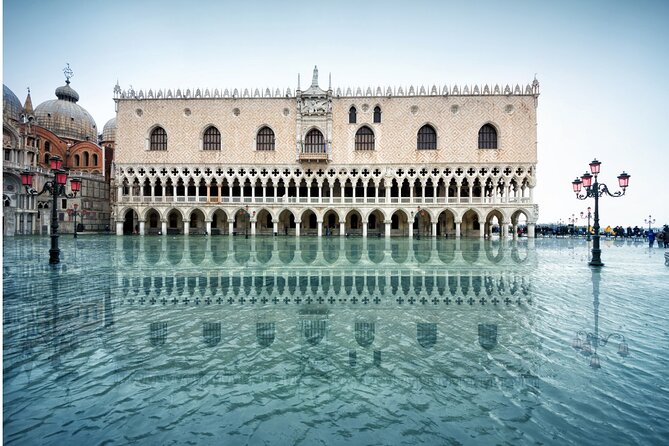
The main limitation is the short running time. Two hours is enough for a focused introduction, but not enough for a full tour of Venice’s art, churches, and major sights. If you want the Doge’s Palace or St. Mark’s Basilica explained inside, you will need another visit.
Key things to know before booking
- The lagoon is the main subject: Learn how Venice’s three sea inlets let tidal water move in and out of the Adriatic.
- Acqua alta gets a clear explanation: The tour covers lunar phases, winds, low pressure, and other forces that can raise the water.
- MOSE enters the story: You will learn about the floating barriers built to help protect Venice from severe flooding.
- The group stays small: The tour is private and limited to eight people, giving you time to speak with Valerio directly.
- It works well for families: Valerio has adjusted his explanations for children as young as seven and has kept older children involved.
- The price rewards a small group: At $185.85 per person, it is costly for one or two people, but more reasonable when shared among a family or group, especially with a group discount.
Why Venice’s water matters more than another quick canal photo
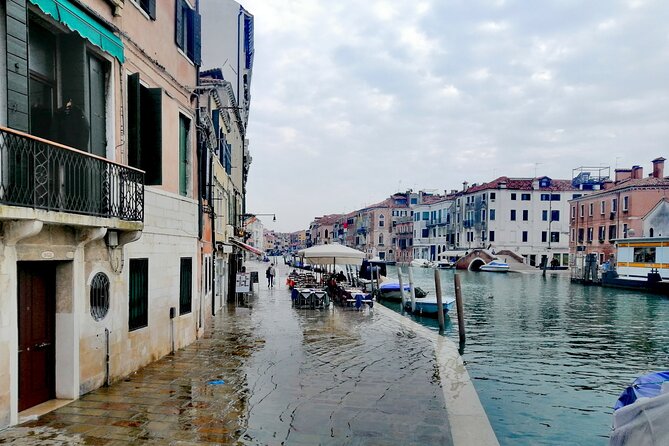
Many first visits to Venice focus on bridges, churches, and getting from one square to the next. This tour gives you a different starting point: the lagoon itself. You learn why Venice exists where it does, how the Republic shaped its watery surroundings, and how people tried to keep a fragile balance between human needs and natural forces.
That framing is useful because the city can look solid and permanent. It is not. Venice depends on a shifting system of tides, marshy islands, channels, sea inlets, barriers, and weather patterns. The tour helps you see the city as a place built through constant adjustment.
You will also hear about the three port inlets that connect the lagoon with the Adriatic Sea. Water enters and leaves according to the tide, keeping the lagoon’s ecosystem in motion. That simple exchange explains why a normal high tide is not automatically a disaster.
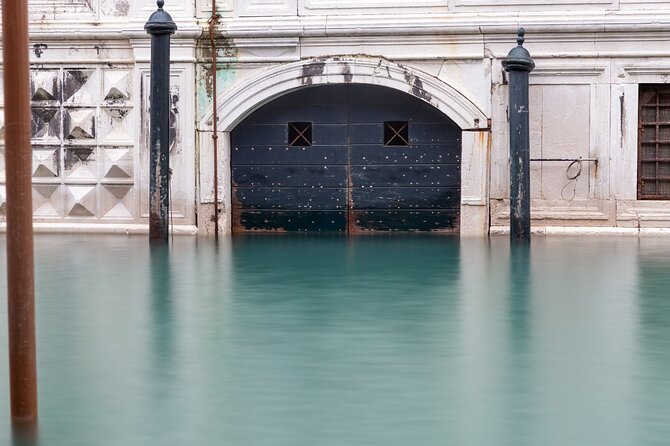
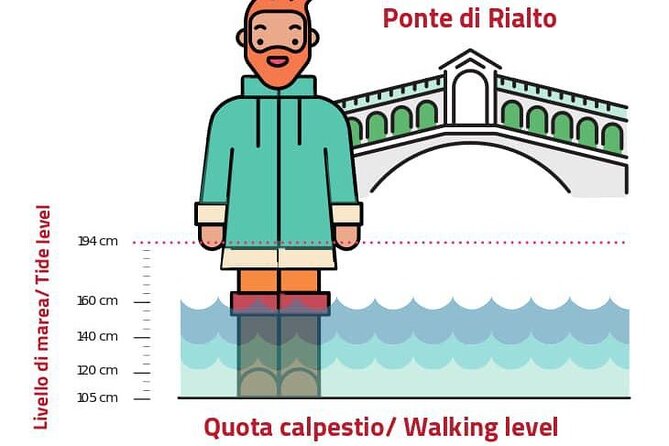
The important threshold is about 80 centimeters. Above that level, Venice begins to speak of acqua alta, or high water. The difference between 80 and 140 centimeters is enormous in practical terms, and the tour explains how the city can keep feet dry during one tide while suffering serious flooding during another.
A few more Venice outings worth comparing
- Murano & Burano Islands Guided Small-Group Tour by Private Boat
★ 4.5 · 7,580 reviews - From Venice: Murano & Burano Guided Tour by Private Boat
★ 4.7 · 4,170 reviews - Private 3 hrs Venice Tour: St Mark’s, Walking tour & Boat tour
★ 4.0 · 3,372 reviews
How the seven stops build the story
The experience is organized around a series of short stops, each lasting about 15 minutes. That structure keeps the talk moving and gives you several angles on the lagoon rather than one long lecture in a single place.
Laguna di Venezia: a city built by intervention
The opening stop looks at how the Venetian lagoon was shaped over centuries. The Republic of Venice redirected rivers, built barriers, and altered the edge between land and sea to protect the city and support its survival.
This is one of the strongest parts for first-time visitors because it changes your reading of Venice. You are not simply looking at water around old buildings. You are looking at a managed system that required enormous effort.
The key point is balance. Too much human control can damage a wetland, but too little protection can leave the city exposed. The explanation gives useful context before the tour turns to modern flood defenses.
Venice and the three port inlets
The next section explains how tidal water travels between the Adriatic and the lagoon. You will learn why this movement is necessary for the lagoon’s health and why the tide itself is normal.
The problem starts when the water rises beyond the city’s ability to cope. This distinction matters. You will not leave thinking every rising tide is an emergency. Instead, you will understand how an ordinary natural cycle becomes dangerous at a certain height.
This is also where Valerio’s local point of view should help. The subject is technical, but the goal is to connect it to streets, doorways, walkways, and the practical routines of life in Venice.
A different way to spend a morning on the water:
- Venice: Doge’s Palace Reserved Entry Ticket
★ 4.6 · 42,716 reviews - Venice: Grand Canal Gondola Ride with App Commentary
★ 4.1 · 18,908 reviews - Boat Trip: Glimpse of Murano, Torcello & Burano Islands
★ 4.3 · 15,699 reviews - Venice: Grand Canal by Gondola with Live Commentary
★ 4.1 · 13,681 reviews
The city of Venice: what causes acqua alta
The tour then sorts out the different forces behind high water. Rain is not the main cause, which is an easy assumption to make. Lunar phases and astronomical tides play a major role, while strong winds and low air pressure can push more water toward the city.
Some conditions are easier to predict than others. That uncertainty is important because flood warnings are not simply a matter of checking the rain forecast. Several natural forces can combine, and their timing affects the final water level.
I like this part for its practical value. Once you understand the causes, you can look at flood notices with more sense. You also gain a better idea of why a sunny day can still bring high water.
The Venetian Lagoon: why 80 centimeters and 140 centimeters feel so different
This stop tackles the question most visitors eventually ask: if the tide is 80 centimeters high, why are your feet still dry?
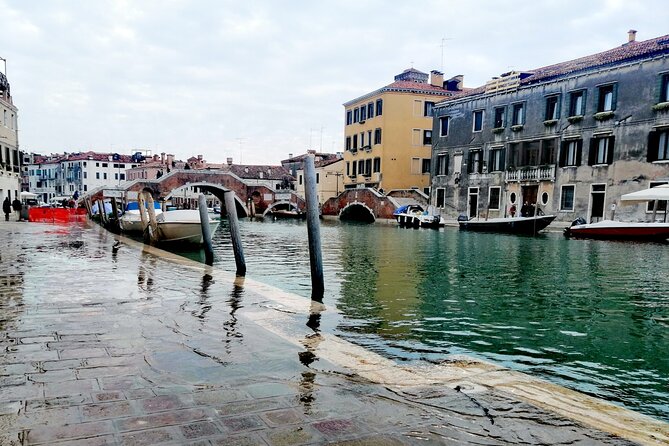
The answer involves the way water levels affect different parts of the city. Some areas remain above the water, while lower sections are affected sooner. At 140 centimeters, the impact becomes far more severe, and the city’s public spaces and daily routines face much greater disruption.
The tour does not treat acqua alta as a simple on-or-off event. It shows you that flooding has degrees, and the number attached to a tide forecast has real meaning.
Venice and the Aqua Granda of the 1960s
The story then moves back to a catastrophic event in the 1960s, when an exceptional wave of bad weather affected much of Italy and Venice experienced the highest tide recorded in its history.
This event, known as the Aqua Granda, changed how people thought about the city’s future. You will learn how it affected residents and influenced later efforts to protect Venice.
For a visitor, this section adds emotional weight without turning the tour into a list of dates. Venice’s flood problem is not a new issue created only by modern tourism or climate change. The city has faced serious water threats before, and each event has shaped its choices.
Lido di Venezia: protection at the edge of the sea
At Lido di Venezia, the tour connects the lagoon story with the barriers designed to defend it. This is where MOSE enters the picture.
MOSE is a system of floating flood barriers intended to protect Venice during severe high-water events. The tour explains how these barriers may help save the city, while also placing the project within the wider issue of environmental change and human pressure.
The Lido stop is useful because it brings the conversation close to the sea-facing edge of Venice. You are not only hearing about an engineering scheme in the abstract. You are considering where the lagoon meets the Adriatic and why that boundary matters.
Campo Santa Maria Formosa: the 2019 flood
The final stop turns to the severe flooding that struck Venice in 2019. The event showed how natural conditions, climate change, and the pressures of heavy tourism can affect the city at the same time.
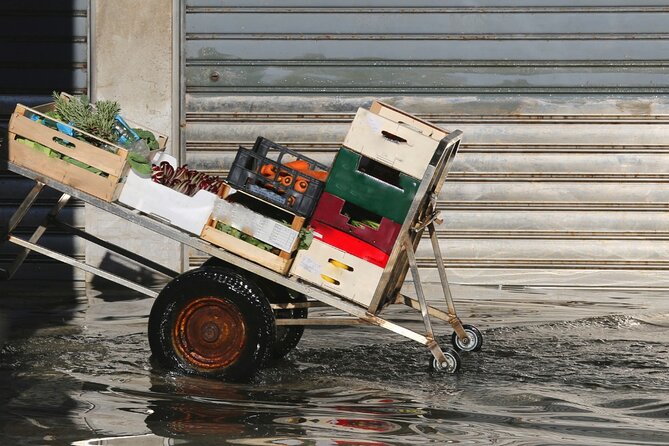
Campo Santa Maria Formosa is included as one of the places strongly affected during that period. The stop gives the subject a physical setting. Instead of hearing only about measurements, you can think about what high water does to a square, a street, a business, and the people who use the area.
This ending is well chosen for first-time visitors because it brings the wider discussion back to Venice itself. You leave with a clearer idea of why protecting the city is difficult and why the future of the lagoon matters.
What Valerio adds to the walk
The strongest feature of this experience is the guide. Valerio Coppo is described as a true local Venetian, and that matters on a tour built around the relationship between city and water.
His approach appears to be friendly and conversational rather than formal. He mixes information with fun facts, small anecdotes, and local recommendations. That makes the tour useful beyond its stated subject. You can ask for ideas about places to eat, drink, find chocolate, enjoy coffee, or get gelato during the rest of your stay.
He also knows how to adjust his style for children. Families have found his explanations suitable for children from about seven years old, while older children around 10 to 12 have stayed involved. That is a good sign if you want an educational experience without a long, heavy lecture.
The private format gives Valerio room to respond to your interests. You might ask more about flood barriers, local life, climate concerns, or the city’s less touristy streets. A larger group would make those questions harder to fit in.
A short tour with a useful first-day role
The tour lasts about two hours, which makes it easy to place on your first day in Venice. I like it as an orientation because it can help you understand the city before you spend the rest of your visit wandering through it.
The experience is not designed as a full sightseeing checklist. You will not cover every famous building, and the focus is not on entering major monuments. Instead, you gain a working explanation of Venice’s setting and problems, along with local advice for the days ahead.
That difference matters when you compare prices. If you want a broad introduction to Venetian art and architecture, another type of tour may serve you better. If you want to understand why the city was built in a lagoon and how it copes with rising water, this one offers a more unusual focus.
Pickup is offered, and the tour is near public transportation. You receive a mobile ticket, and the experience is offered in English. Service animals are allowed, and most people can take part. The activity is private, so only your own group participates.
Is $185.85 per person a fair price?
At $185.85 per person, this is not a bargain walking tour. The value depends heavily on your group size and your interest in the subject.
For one or two people, the cost is significant for a two-hour experience. You are paying for a private guide, a small group, local knowledge, and the chance to ask questions. If you mainly want to see the famous sights quickly, the price may feel high.
For a family or a larger private party, the calculation improves, especially because group discounts are offered. A group of up to eight people can share the attention and receive a more personal experience than a standard public tour.
I would also count the practical recommendations as part of the value. Valerio has provided restaurant, café, chocolate, and gelato suggestions, which can save time later. Still, you should book this for the lagoon and flood story first, not simply for dining advice.
Who will get the most from this experience?
I would choose this tour if you are visiting Venice for the first time and want context before exploring on your own. It is especially useful if you keep asking why the city was built in water, how the tides work, or what the flood barriers are meant to do.
It also suits families. The format is short, the subject is unusual, and Valerio has a record of keeping children involved. The small group makes it easier to pause for questions or adjust the explanation when younger participants need a simpler example.
This is a good match for repeat visitors who have already seen St. Mark’s Square and the main landmarks. You can use the time to learn about a side of Venice that standard sightseeing often skips.
You may want another tour instead if your priority is entering monuments, studying Renaissance art, or seeing as many famous sights as possible. The two-hour schedule leaves little room for that.
Practical booking advice
You can cancel for a full refund if you do so at least 24 hours before the local start time. Changes or cancellations made inside that window are not accepted for a refund.
The tour requires a minimum number of participants. If the provider cancels because that minimum is not reached, you will be offered another date or experience, or receive a full refund.
If you are visiting Venice from outside the city for the day, check the official access-fee rules before you arrive. On certain dates, many day visitors must pay a €5 access fee, although exemptions apply. The applicable dates and details can change, so use the official cda.ve.it site when planning.
Should you book the Venice lagoon tour?
Book it if you want Venice explained as a living water system rather than a collection of postcard sights. The focus on tides, MOSE, the 1960s flood, and the 2019 crisis gives your visit a strong sense of place.
I especially like it for a first morning or afternoon, for families with curious children, and for small groups willing to pay for a private guide. Valerio’s local recommendations and relaxed style add useful help for the rest of your stay.
Skip it if you want a low-cost introduction or a tour centered on famous interiors. At $185.85 per person, the price asks you to care about the subject. If you do, this short, personal tour can make the rest of Venice easier to understand.
FAQ
How long does the tour last?
The tour lasts approximately two hours.
How many people can join the tour?
The private experience is limited to eight travelers, and only your own group participates.
Is the tour offered in English?
Yes. The experience is offered in English.
Does the tour include a licensed guide?
Yes. A licensed tour guide is included, with Valerio Coppo identified as the local guide.
Is pickup available?
Yes. Pickup is offered, and the tour is near public transportation.
Is there a fee for day visitors entering Venice?
On certain dates, many people staying outside Venice who visit for the day must pay a €5 access fee. Exemptions may apply, so check cda.ve.it for current dates and rules.
Recently added around Venice
- Your evening in Venice – Legends&Ghosts&Aperitif★ 4.7 · 79 reviews
- Venice: City Tour & Skip the Line for St. Mark’s Basilica★ 4.1 · 84 reviews
- Walking Tour to Uncover the Hidden Venice★ 4.4 · 34 reviews
- Wine Tasting in Venice★ 4.6 · 42 reviews
- Venice: Walking Tour & Gondola Ride★ 4.4 · 22 reviews
- Venice: Watercolor Painting Class at the Prisons Palace★ 4.7 · 27 reviews
- VIRTUAL MUSEUM: Creature di Gomma – Venice Vintage Toys★ 4.7 · 3 reviews
- Venice Walking Tour from St. Mark’s to Rialto Bridge★ 4.5 · 12 reviews
Private, compared.
Murano & Burano Islands Guided Small-Group Tour by Private Boat
Read our review →
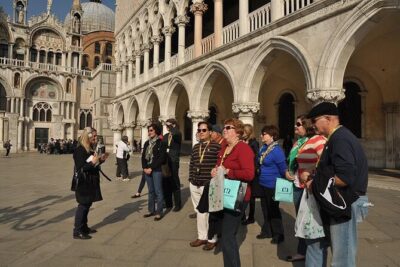
Private 3 hrs Venice Tour: St Mark’s, Walking tour & Boat tour
Read our review →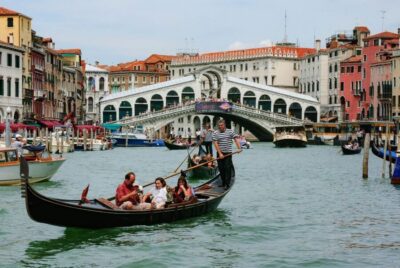
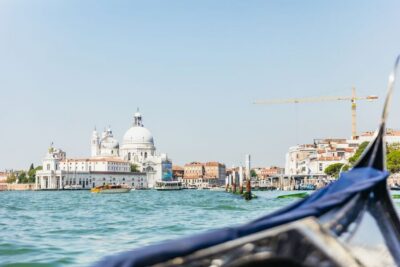
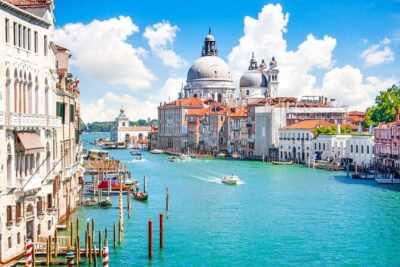
Private Best of Venice Walking Tour with St Mark’s Basilica
Read our review →
Private tour on Murano Island: discover the art of Artisanal Glassblowing
Read our review →