
Reviewed · VENICE WALKING TOURS
Private Tour: Venice Art and Architecture Walking Tour
Venice’s finest details often hide beyond St Mark’s Square. This private walk takes you through quiet lanes and small campos to San Giovanni and Paolo, Santa Maria dei Miracoli, and the former home of Marco Polo, with a guide explaining how politics, trade, faith, and engineering shaped the city.
I like the private format, which gives you room to ask questions and adjust the pace. I also like the route’s quieter side of Venice, especially the chance to study Gothic and early Renaissance buildings without being folded into a large group.
The main caution is that the tour’s depth depends heavily on your guide. Some guides, including Lucia, Antonella, Alessandra, Iffygenia, and Marie Therese, have brought the city to life. Other experiences have felt rushed, too focused on one church, or lighter on art analysis than expected.
Key points to know before booking
- Private two-hour route: Only your group takes part, so you can ask questions and request a little more time on subjects that interest you.
- Four named stops: The walk links Campo San Bartolomeo, Marco Polo’s former home, San Giovanni and Paolo, and Santa Maria dei Miracoli.
- Art and architecture with a history lesson: The guide explains Venetian styles and the forces that shaped the city, though the balance can vary by guide.
- Church entry costs extra: Food, drinks, and entrance fees are not included in the $343.17 per-person price.
- Rialto hotel pickup may be possible: Pickup is optional only when your hotel is in the Rialto area.
- A good route for curious walkers: You finish in Campo dei Santi Giovanni e Paolo, away from the main St Mark’s crowds.
What this private Venice walk is really about
This is not a grand tour of every major Venetian landmark. It is a compact walk through the city’s lanes, bridges, canals, and less obvious architectural corners.
You begin near Rialto at Campo San Bartolomeo, then move toward the Cannaregio and Castello side of central Venice. The route ends at Campo dei Santi Giovanni e Paolo. That point matters: you are not simply circling back through the same busy streets. You finish in a part of Venice that many first-time visitors miss.
The tour is sold as an art and architecture experience, but you should expect a broader lesson in Venice. Guides may talk about politics, food, daily life, trade, religious institutions, engineering, and the city’s problems with high water and sinking ground. For many people, that wider context makes the buildings easier to understand.
If you want a detailed study of paintings, sculpture, and construction methods, say so at the start. One guide, who was an architect, used books and illustrations to explain how Venetian buildings were made. That kind of preparation can turn a good walk into an excellent one. But the route does not guarantee that every guide will take the same approach.
More walking tours in Venice:
- Venice Walking Tour and Gondola Ride
★ 3.5 · 3,630 reviews - Venice: Rialto Bridge & Offbeat Unusual Venice Walking Tour
★ 4.2 · 3,538 reviews - Private 3 hrs Venice Tour: St Mark’s, Walking tour & Boat tour
★ 4.0 · 3,372 reviews
Starting at Campo San Bartolomeo and Goldoni’s statue
The meeting point is Campo San Bartolomeo, a small square near Rialto. Its statue of Carlo Goldoni gives the first stop a literary and civic angle, rather than a purely architectural one.
This is a practical place to begin because it is near public transportation and central to the city. It can still be tricky to find on your first attempt. The square is not as obvious a landmark as Rialto Bridge or St Mark’s Basilica, so I would locate it on a map before the tour and allow extra time.
The stop lasts about 30 minutes. Your guide may use the campo to explain Venetian public life and the way a square works as a social space. In Venice, the setting is part of the lesson. A small open area between narrow streets can reveal how people gathered, traded, worshipped, and moved through the city.
Optional hotel pickup is available if your hotel is in the Rialto area. Do not assume this applies to every address in central Venice. Confirm it when booking and make sure you know the exact meeting arrangement.
Marco Polo’s former home and the city of merchants
The next stop is Casa di Marco Polo, identified as the former home of the famous Venetian merchant and explorer. The building offers a useful link between Venice’s architecture and its commercial past.
The house itself is not presented as a museum visit. Entrance is not included, and the tour is primarily a walking and commentary experience. You may spend time looking at the exterior and hearing about Marco Polo’s place in Venetian memory.
This stop works best when your guide connects it to the city’s trading networks and international outlook. Venice grew through commerce, shipping, diplomacy, and contact with faraway regions. Those forces influenced not only wealth, but also building styles, religious art, and the shape of the city.
If Marco Polo is a major reason you booked, keep your expectations measured. The information provided does not promise an interior visit or a long exploration of his life. Think of this as a short architectural and historical stop within a larger walk.
San Giovanni and Paolo, the tour’s main church stop
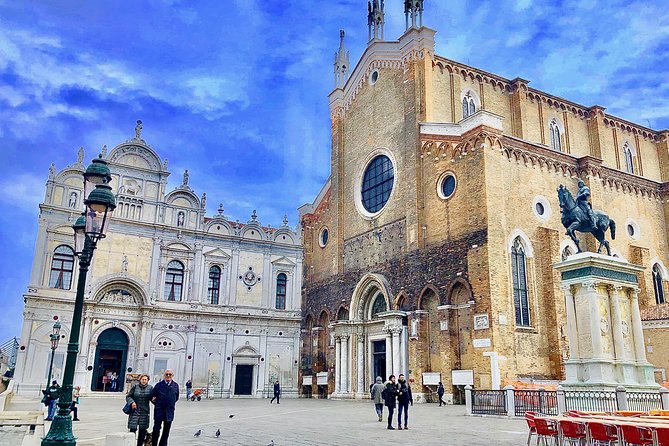
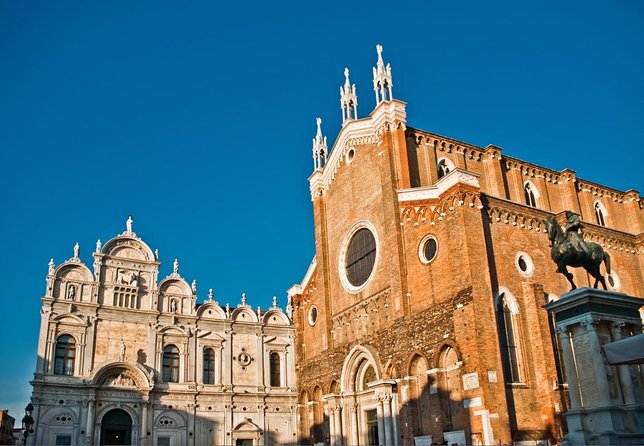
Basilica dei Santi Giovanni e Paolo is the most substantial stop. Its Gothic form and stained-glass window make it the visual center of the route.
The church is one of Venice’s major religious buildings, and the guide may point out sculptures, walls, chapels, decorative details, and the large stained-glass window described as the biggest in Venice. The setting gives you plenty to look at, but it also creates the tour’s biggest risk.
Some guides spend more than an hour here, while the advertised stop is about 30 minutes. That extra time can be worthwhile if you care about religious art, sculpture, or Gothic design. A strong guide can show you small details that you would otherwise pass without noticing and explain why they matter.
The experience is less satisfying if the commentary simply names dates, artists, and styles without explaining the meaning behind them. One visitor expected more discussion of artistic purpose and found the stop dull. Another felt the tour gave too much attention to the church and too little to other buildings along the way.
I suggest telling your guide what you want before entering. You might ask for more on sculpture, stained glass, architectural structure, Venetian religious life, or the political role of the church. The private format gives you a better chance of shaping the discussion.
There is also a practical hearing concern. A small private group may not use audio equipment, and one person with hearing loss found it difficult to follow the guide inside. If anyone in your group has hearing trouble, mention it in advance and ask the guide to speak clearly, face the group, and stay close.
Entrance fees are not included. Bring money for any church or museum admission required on the day. The tour price covers the private guide and walking route, not food, drinks, or entry tickets.
A different way to spend a morning on the water:
- Venice: Doge’s Palace Reserved Entry Ticket
★ 4.6 · 42,716 reviews - Venice: Grand Canal Gondola Ride with App Commentary
★ 4.1 · 18,908 reviews - Boat Trip: Glimpse of Murano, Torcello & Burano Islands
★ 4.3 · 15,699 reviews - Venice: Grand Canal by Gondola with Live Commentary
★ 4.1 · 13,681 reviews
Santa Maria dei Miracoli and the early Renaissance façade
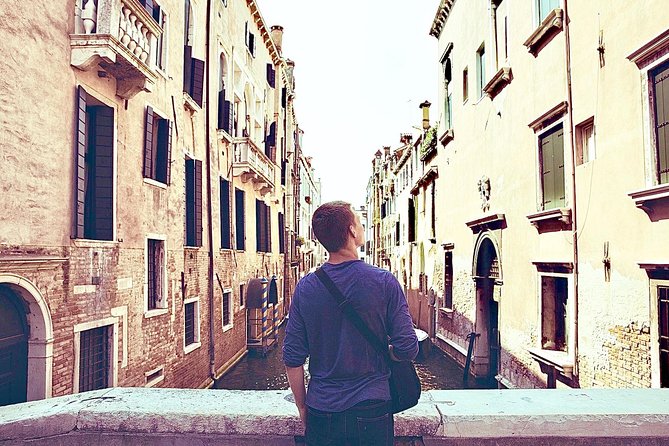
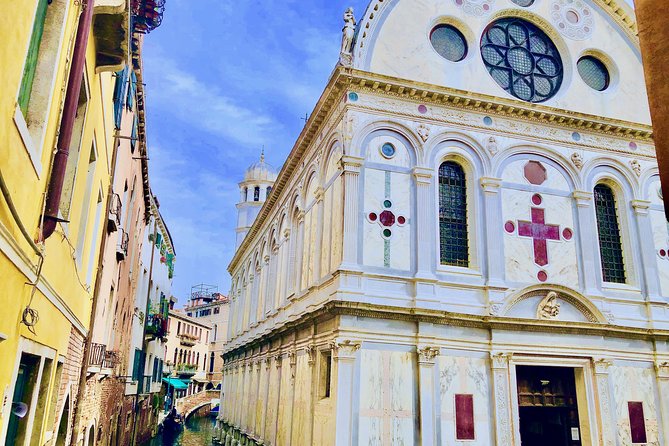
The Church of Santa Maria dei Miracoli is a very different sight from San Giovanni and Paolo. Its narrow form and carefully restored early Renaissance façade make it one of the most appealing stops for visitors interested in proportion, marble decoration, and small-scale design.
The church sits beside the suggestive Campo di Santa Maria Nova. This is a good place to pause and compare Venetian architectural moods. San Giovanni and Paolo feels large, Gothic, and powerful. Miracoli is more contained and refined.
The itinerary allows about 30 minutes here, though the exact amount of time can change. Entrance is not included, so you should not assume that the walk guarantees access inside. Ask your guide what is open and what the entry charge will be.
This stop may be especially rewarding if you are new to architectural styles. A patient guide can help you notice the difference between Byzantine influence, Gothic structure, Renaissance order, Baroque decoration, and Rococo taste. Antonella was praised for helping a group of architecture beginners learn to look up and identify these styles.
That is the real value of this church. You are not only looking at an attractive façade. You are learning how to read Venice, building by building.
Quiet lanes, footbridges, and the Venice most visitors miss
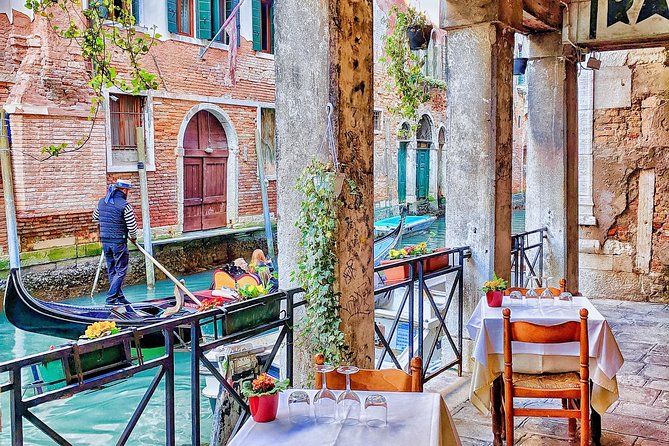
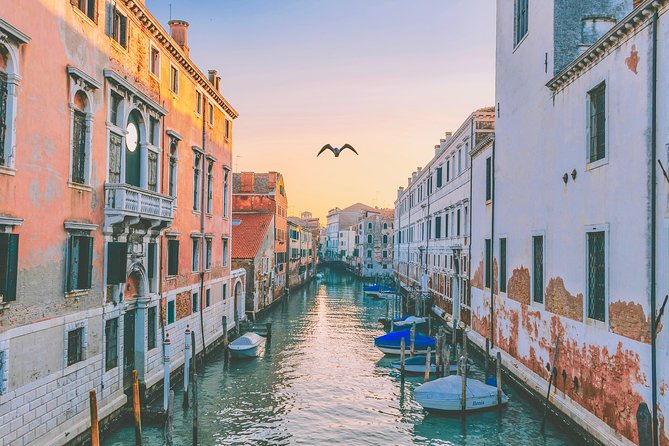
The route links its major stops through narrow canals, bridges, and side streets. This is where the walk can feel most personal.
You will not spend the entire two hours on famous squares or along the Grand Canal. One limitation is that the Grand Canal’s palaces are not included as a dedicated part of the route. If those views are your priority, pair this tour with a vaporetto ride or another walk.
The quieter route is valuable because it shows Venice as a lived-in city rather than a string of postcard views. You may pass buildings that receive only a quick explanation, but the setting helps you understand the city’s scale and structure. Venice is made of small transitions: a bridge, a courtyard, a church entrance, a side canal, and a sudden view across a campo.
Several guides have also used the walk to explain modern problems, including higher water and the sinking of the land. Those topics add weight to the architecture. A beautiful building here is not just old. It is part of a fragile city that must protect its foundations and public spaces.
The private setup helps if you prefer to stop, look up, and ask why. It is less useful if you want a tightly scripted procession from one major monument to the next.
How the private format affects the experience
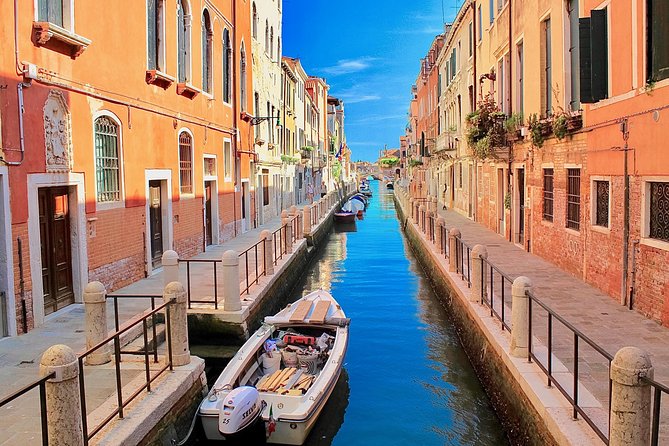
The $343.17 per-person price is high for a two-hour walk, especially because church and museum tickets are extra. The value depends on the size of your group and the quality of the guide.
For one or two people, this is a costly way to see a handful of sights. For a family or group of six, the private format can make more sense. You avoid a large crowd, you can ask questions without holding up strangers, and the guide can adjust the pace for children or older family members.
Families have found that children aged eight and thirteen could enjoy the walk when the guide made the architecture clear and connected it to stories. An older parent may also manage the route well if the pace is adjusted. One guide accommodated an 80-year-old participant and modified parts of the walk to make it easier.
The price is easier to justify if you want personal attention and a flexible conversation. It is harder to justify if you mainly want admission to the churches or a broad survey of Venice. In that case, a less expensive group walk may cover more ground.
The tour has a current rating of 4 out of 5 from 22 ratings. That fits the pattern of the experience: many strong guides, several excellent outings, and a few clear disappointments. The guide is not a minor detail here. The guide is the product.
Timing, language, and practical comfort
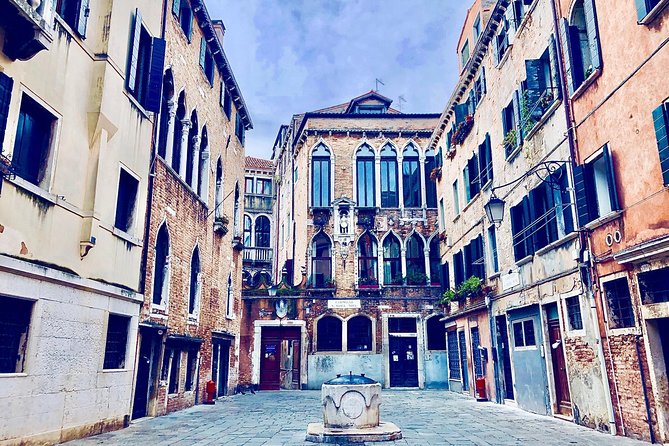
You can choose a morning or afternoon departure. Morning may suit you if you want to explore at a cooler, quieter time, while an afternoon walk can help fill the middle of a sightseeing day. No specific departure times are provided, so check the available options before booking.
The tour lasts about two hours. That is long enough for four main stops, but short enough that the pace may feel brisk. You will walk on Venice’s narrow streets and cross footbridges, so comfortable shoes are sensible. The supplied information says most people can participate, but it does not provide a detailed mobility assessment.
Guiding is offered in English, French, German, Italian, or Spanish. The experience description emphasizes an English-speaking guide, so choose your language carefully when booking.
Most guides have communicated well in English, but one experience involved translation difficulties. If your group has detailed academic questions about art or architecture, make those interests clear at the start. The private format gives the guide a chance to tailor the conversation, but only if you explain what you want.
You should also set aside time after the walk. The route ends at Campo dei Santi Giovanni e Paolo, not at the original meeting point. One guide helped a group reach its next destination, and another finished near St Mark’s Square for coffee, but the official end point is Campo dei Santi Giovanni e Paolo. Treat any further escort as a kindness, not a guaranteed feature.
How to get the best guide-led walk
Before the guide arrives, prepare two or three questions. Good choices include:
- How did Venetian Gothic differ from Renaissance design?
- Which details in San Giovanni and Paolo are easiest to miss?
- Why is Santa Maria dei Miracoli considered an early Renaissance building?
- How did trade shape Venetian art?
- What changes have high water brought to the city?
At the beginning, say if you want more art, more architecture, more history, or more local life. Some people enjoyed the broader discussion of Venetian politics, food, and culture. Others felt they received too much general history and not enough close study of art and buildings.
If you are passionate about a specific church or building, mention it early. A guide may be able to spend more time there, though the supplied information does not promise custom additions or a longer tour.
Keep your group together and stay near the guide inside churches. Audio devices may not be used, even for private groups, and Venice’s interiors can make quiet speech difficult to hear.
Who should book this Venice walking tour?
I would choose this tour for a family, couple, or small group that wants personal attention and prefers side streets to a standard highlights route. It is also a good fit if you want help understanding architectural styles rather than simply photographing churches.
It suits people who enjoy asking questions and are happy for the walk to include Venetian history, culture, and city life. The guides who adjusted the route, used illustrations, or explained details with patience created the strongest experiences.
I would be cautious if you want a formal art-history lecture, guaranteed access to every church, or a survey of the Grand Canal. The two-hour length limits what can be covered, and the quality of explanation can vary. The tour also costs more than a group walk, with admission fees added separately.
Free cancellation is available until 24 hours before the start time. Changes or cancellations made inside that window are not accepted for a refund. If you are visiting Venice for the day from outside the city, check the official access-fee rules, since certain dates may require a €5 fee, with exemptions for some visitors.
Should you book it?
Book this private walk if you want Venice to explain itself through quieter streets, lesser-seen churches, and direct conversation with a guide. The best version of the tour can make you notice Gothic windows, Renaissance proportions, sculpture, and canal-side buildings that you might otherwise pass without a glance.
Skip it if you want a guaranteed art lecture, a Grand Canal focus, or included admission. For the price, you should contact the operator with your interests before the day and confirm the meeting point, language, pickup option, and church-entry arrangements. With the right guide, this is a thoughtful introduction to Venice’s built character. With the wrong fit, it can feel like an expensive walk with too much time spent in one church.
FAQ
How long is the Venice Art and Architecture Walking Tour?
The private walking tour lasts approximately two hours.
Is this a private tour?
Yes. Only your group participates in the activity.
What sights are included on the route?
The route includes Campo San Bartolomeo and its Goldoni statue, Casa di Marco Polo, Basilica dei Santi Giovanni e Paolo, and Santa Maria dei Miracoli with its nearby campo.
Are church and museum entrance fees included?
No. Entrance fees to churches or museums are not included in the tour price.
Is hotel pickup available?
Optional hotel pickup may be available when your hotel is in the Rialto area. Confirm the arrangement when booking.
Where does the tour start and finish?
The tour starts at Campo San Bartolomeo in central Venice and ends at Campo dei Santi Giovanni e Paolo.
What languages are available?
The guide can be provided in English, French, German, Italian, or Spanish. The experience information specifically highlights an English-speaking guide.
Can I cancel for a full refund?
Yes, if you cancel at least 24 hours before the experience start time. Cancellations or changes made less than 24 hours before the start time are not eligible for a refund.
Recently added around Venice
- Your evening in Venice – Legends&Ghosts&Aperitif★ 4.7 · 79 reviews
- Venice: City Tour & Skip the Line for St. Mark’s Basilica★ 4.1 · 84 reviews
- Walking Tour to Uncover the Hidden Venice★ 4.4 · 34 reviews
- Wine Tasting in Venice★ 4.6 · 42 reviews
- Venice: Walking Tour & Gondola Ride★ 4.4 · 22 reviews
- Venice: Watercolor Painting Class at the Prisons Palace★ 4.7 · 27 reviews
- VIRTUAL MUSEUM: Creature di Gomma – Venice Vintage Toys★ 4.7 · 3 reviews
- Venice Walking Tour from St. Mark’s to Rialto Bridge★ 4.5 · 12 reviews
Venice Walking Tours, compared.
Rialto Bridge & Offbeat Unusual Venice Walking Tour
Read our review →
Private 3 hrs Venice Tour: St Mark’s, Walking tour & Boat tour
Read our review →
Private Best of Venice Walking Tour with St Mark’s Basilica
Read our review →
Venice Sightseeing Small Group Walking Tour with a Local Guide
Read our review →
Walking tour, Doge Palace, & St. Mark’s Basilica
Read our review →
Sunset Walking Tour with Food and Wine Tastings
Read our review →Browse the lists this tour appears in