
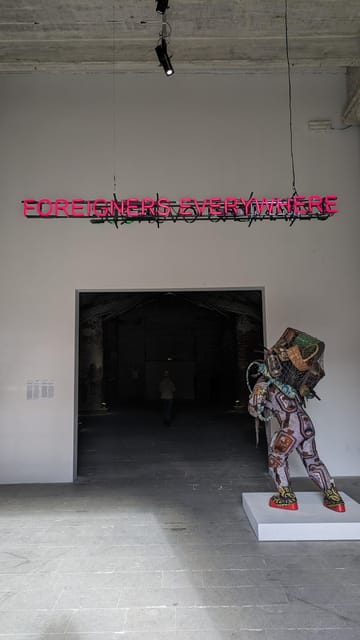
Reviewed · VENICE
Biennale Architettura 2025 Intelligens Naturale Artificiale
Biennale Architettura 2025 asks a big question: how can architecture respond to natural systems, artificial intelligence, and the way people work together? A private two-hour visit with licensed guide Valerio Coppo gives those ideas a human scale, helping you make sense of ambitious installations instead of simply walking past them.
I like the choice between the Giardini and Arsenale, and I like the private format, which lets you ask questions and shape the pace. Valerio is especially praised for his strong German and clear explanations. The main catch is that your Biennale admission ticket costs extra, and two hours covers only one of the two main venues.
Key points at a glance
- Choose one major venue: Spend two hours at either the Giardini or the Arsenale, not both.
- Meet at the entrance: The tour begins and ends at the main entrance of your selected venue.
- Get ideas explained clearly: Your guide connects the displays to natural, artificial, and collective intelligence.
- Ask for a private pace: The guide can adjust the visit around your interests in architecture, design, sustainability, or technology.
- Plan a second visit if needed: The other venue can be arranged as an additional two-hour tour.
- Buy admission separately: The $162 price covers the guide and private tour, but not your Biennale ticket.
What Biennale Architettura 2025 is trying to say
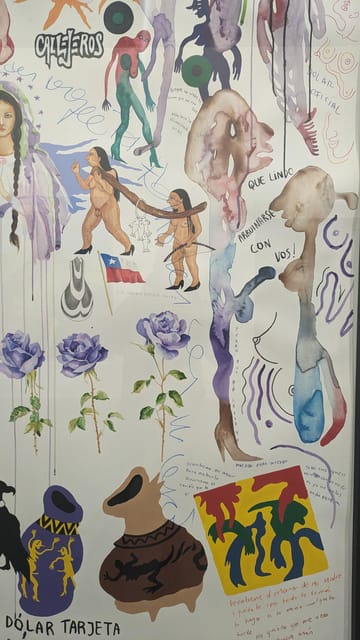
The 2025 exhibition theme, Intelligens. Naturale. Artificiale. Collettiva., brings three forms of intelligence into one conversation. Natural intelligence points toward the systems and processes found in the world around us. Artificial intelligence concerns technology and machine-made problem-solving. Collective intelligence asks what people can create when they work together.
That sounds academic until you are standing in front of an installation that challenges your idea of what a building should do. This tour is designed to help bridge that gap. You are not simply shown a series of national pavilions and large-scale works. Your guide explains the thinking behind them and places each project within the larger Biennale conversation.
I find that useful because architecture exhibitions can be visually impressive but hard to read. A strange structure may be about climate, access, materials, public life, or digital tools. Without context, you may remember the shape but miss the point. A guide gives you a way into the work.
The emphasis on sustainability, inclusivity, and innovation also makes this more than a design outing. Even if you do not follow architecture closely, you can consider practical questions: Who is a city built for? How should buildings respond to environmental pressure? Can technology help people cooperate, or does it create new problems?
Other Venice outings people book alongside this one:
- Venice: Doge’s Palace Reserved Entry Ticket
★ 4.6 · 42,716 reviews - Venice: Grand Canal Gondola Ride with App Commentary
★ 4.1 · 18,908 reviews - Boat Trip: Glimpse of Murano, Torcello & Burano Islands
★ 4.3 · 15,699 reviews
Choosing between the Giardini and Arsenale
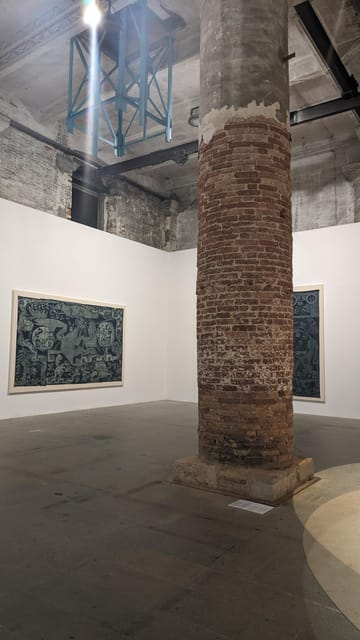
Your biggest decision comes before the tour: Giardini or Arsenale. The experience includes one venue for two hours, so choose with care if your schedule is tight.
The Giardini della Biennale is the traditional starting point and includes the main entrance, visitor center, and national pavilions. Its appeal lies in the country-by-country format. Each pavilion offers a distinct point of view, shaped by its own architectural culture and the exhibition’s theme.
This arrangement makes the Giardini a good pick if you want to compare national approaches. One pavilion may focus on materials or climate. Another may take a social or political angle. The variety can be stimulating, though it can also feel scattered without someone helping you spot the links.
The Arsenale offers a different kind of visit. Its historic setting houses monumental installations and larger displays. The scale can make the exhibition feel more theatrical, with architecture pushing beyond the normal boundaries of a building, model, or drawing.
Choose the Arsenale if large installations and experimental spatial work matter most to you. Choose the Giardini if you prefer national pavilions and a broader range of individual presentations. If you cannot decide, tell the guide what interests you most before booking or at the meeting point.
The tour does not cover both venues in the standard two-hour format. You can arrange a second two-hour visit to the other site on the same day or on another day. That doubles the time and cost of the guided portion, but it is the sensible choice if you want a fuller Biennale experience rather than a quick introduction.
Meeting at Giardini della Biennale
The tour begins at the main entrance of the Giardini or Arsenale, depending on your booking. At the Giardini, the listed route includes about 10 minutes at the visitor center before the main guided visit.
That short opening matters. You can get oriented, confirm the venue, and understand how the visit will work. Biennale spaces can contain a lot of visual information, and a few minutes of direction at the start helps you avoid spending your limited time simply figuring out where to go.
The remaining 110 minutes are devoted to the guided Biennale visit. The guide leads you through selected exhibitions, national pavilions, and installations, explaining the history of the exhibition and the ideas behind the displays.
The plan is not a race from room to room. Since the tour is private, you can ask for more attention to a particular subject. If you are drawn to design, technology, sustainability, or social questions, say so. If one installation makes no sense at first, stop and ask. That is one of the strongest reasons to choose a private tour over a general walk-through.
How the 110-minute guided visit works
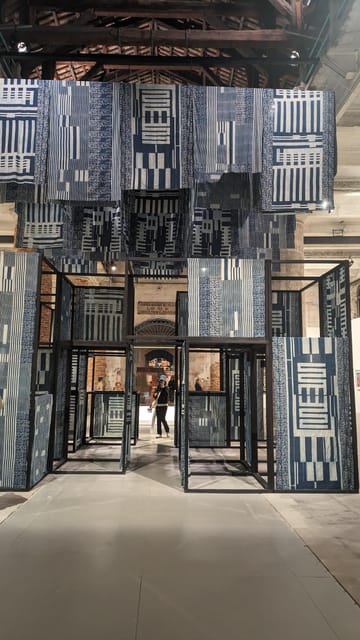
The most valuable part of the experience is the conversation between what you see and what it means. Your guide discusses the relationship between technology, nature, and collective intelligence, then ties those themes to the projects in front of you.
You can expect a mix of explanation and walking. The visit includes groundbreaking projects by international architects and designers, along with large installations that question familiar ideas about architecture. The exact displays you see depend on your selected venue and the guide’s route.
A good guide can also help you see differences between a national pavilion and a thematic installation. A pavilion may present a focused argument from one country. A larger Biennale work may address a broad issue through space, materials, sound, or structure. The tour gives you a frame for comparing them instead of treating every display as an isolated object.
This is where Valerio Coppo’s role seems particularly useful. He is described as highly informed, friendly, and able to explain the exhibition in very good German. The strongest praise is for his competence and passion, along with the speed at which he can reveal details you might not discover alone.
That last point is important. You can certainly walk through the Biennale independently. The question is how much you will understand in the time available. A private guide will not make every work instantly appealing, but he can show you what to look for and explain why a project belongs in this particular exhibition.
A different way to spend a morning on the water:
- Venice: Grand Canal by Gondola with Live Commentary
★ 4.1 · 13,681 reviews - Venice: La Fenice Opera House Entry Ticket with Audio Guide
★ 4.6 · 11,742 reviews - Doge’s Palace & St. Mark’s Basilica with Terrace Access Tour
★ 4.7 · 10,697 reviews - Venice: Burano, Torcello & Murano Boat Tour w/Glassblowing
★ 4.4 · 10,245 reviews
Why the private format matters
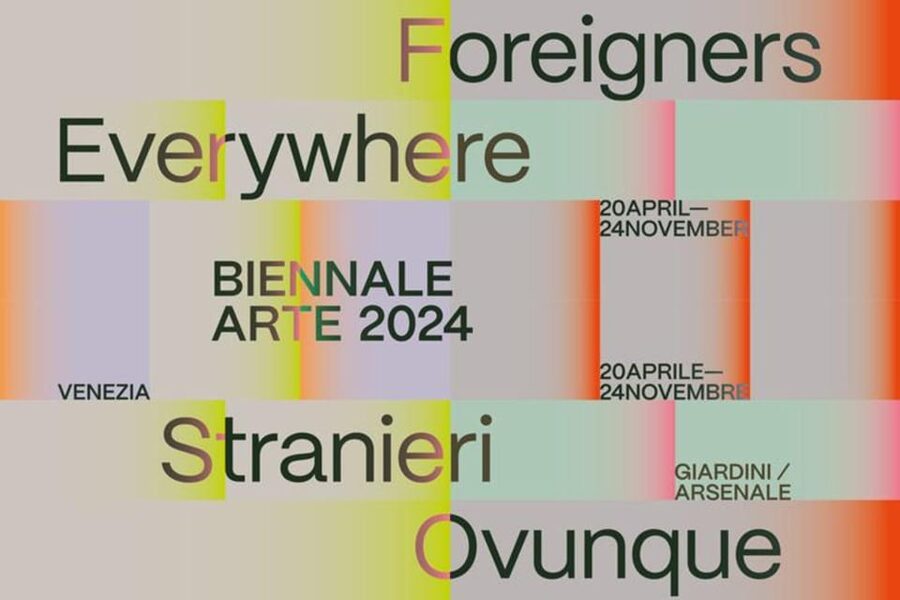
The private group setup gives you more control than a standard group visit. You are with your own party, and the guide can respond to your questions rather than following a fixed script for a large crowd.
That is especially useful for architecture because people read spaces differently. You may care about climate and materials. Someone else in your group may care about digital tools, public space, or the visual drama of an installation. The guide can adjust the discussion instead of forcing everyone through the same level of detail.
A private tour also helps if you have limited time in Venice. Two hours is enough for a focused introduction to one venue, but not enough for every pavilion and installation. The guide can help you spend those two hours on the parts most likely to interest you.
There is a tradeoff. Private guiding costs more than simply buying admission and walking through on your own. At $162 per person, the price is significant, especially because your Biennale ticket is not included. The value improves if you are traveling as a small private group, care about interpretation, or want to ask detailed questions.
If your main aim is to see as much as possible, independent entry may be better value. If your aim is to understand what you are seeing, the guide earns his fee more easily.
Languages, access, and planning your visit
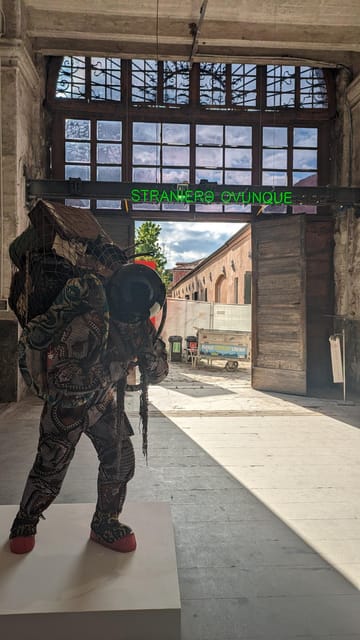
The tour can be conducted in English, German, Italian, or Spanish. That range is useful for mixed-language groups and for visitors who would rather discuss complex design ideas in their strongest language.
Wheelchair-accessible private tours can be arranged on request. If you have mobility needs or another disability, contact the provider in advance so the route can be planned properly. This is worth doing before you arrive, since the tour covers a large exhibition setting rather than a single room.
The activity lasts two hours, but you should allow extra time around it for admission, meeting your guide, and continuing at the venue afterward if you wish. The tour ends back at the same meeting point, so it is easy to plan your next stop from there.
Admission is separate and can be purchased online or on site. I would settle that detail before the appointment when possible, since the guide’s two-hour window is better spent inside the exhibition than at a ticket counter.
You can cancel up to 24 hours ahead for a full refund, and the reserve-now, pay-later option keeps the booking flexible. Starting times vary, so check availability before building the rest of your Venice day around the tour.
Who will get the most from this experience
This tour suits architecture students, designers, urban planners, and anyone who enjoys asking why a space looks or works the way it does. It also fits curious visitors who want more than photographs of unusual structures.
You do not need a technical background. The tour is intended to explain the exhibition’s ideas, so a first-time Biennale visitor can benefit. A guide is particularly helpful if terms such as collective intelligence or artificial design feel vague. You can test those ideas against real projects rather than reading about them in the abstract.
Families and mixed-interest groups may also find the private structure helpful. One person can ask about technology while another focuses on the social purpose of a project. The guide can keep the discussion moving without requiring everyone to have the same level of interest.
The experience is less suitable if you want a slow, unstructured afternoon. Two hours is a focused introduction, not a leisurely day wandering through every section. You will need another two-hour booking to cover the second venue with a guide.
Is $162 a fair price?
At $162 per person, this is not a cheap add-on. You also pay for admission, and the standard tour covers just one venue.
The price makes more sense when you consider what is included: a licensed local guide, a private group, a focused route, and the ability to adjust the discussion to your interests. You are paying for interpretation and time saved, not merely entry.
I would compare it this way. Independent entry gives you freedom and costs less, but you must decide what matters and work out the exhibition’s ideas yourself. This tour gives you a person who can quickly explain the history, purpose, and meaning of the displays. If you are in Venice for a short time, that efficiency has real value.
The strongest case for booking comes from the guide. Valerio Coppo is praised for his passion, competence, and very good German. If you want a German-language tour, that specific strength may make the price easier to justify. English, Italian, and Spanish are also available.
For a group of architecture enthusiasts, the private format can be a sound use of money. For a solo visitor on a tight budget, admission alone may be the better choice.
My call on booking the Biennale tour
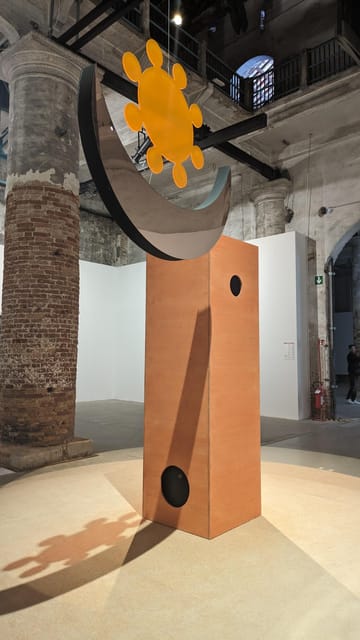
Book this experience if you want the Giardini or Arsenale to make sense, not just look impressive. It is especially worthwhile for a first visit, a short Venice stay, or a group with strong interest in architecture and design.
Choose the venue before you commit. Pick the Giardini for national pavilions and contrasting country perspectives. Pick the Arsenale for monumental installations and a more concentrated sense of experimental space. If you want both, arrange the extra two-hour visit and budget for another guided session and separate admission.
I would not book it blindly for a casual walk. The price is too high if you only want to peek at the displays. But if you value clear explanation, private pacing, and the chance to ask direct questions, this is a practical way to turn a potentially confusing exhibition into a rewarding part of your Venice visit.
FAQ
How long is the Biennale Architettura 2025 tour?
The guided tour lasts two hours. The Giardini route includes about 10 minutes at the visitor center and about 110 minutes for the guided Biennale visit.
Does the tour include both the Giardini and Arsenale?
No. The standard two-hour tour visits either the Giardini or the Arsenale. A second two-hour tour can be arranged for the other venue on the same day or a later day.
Is the Biennale admission ticket included?
No. Admission is separate and can be purchased online or on site.
Where does the tour meet?
You meet at the main entrance of the Giardini or at the main entrance of the Arsenale, depending on your selected venue.
Where does the tour end?
The activity ends back at the same meeting point where it began.
What languages are available?
The tour is available in English, German, Italian, and Spanish.
Is this a private tour?
Yes. It is planned as a private group tour, though a small-group tour may be arranged on selected days.
Is the tour wheelchair accessible?
A wheelchair-accessible private tour can be arranged upon request. You should provide accessibility information in advance.
Can I cancel the tour for a refund?
Yes. You can cancel up to 24 hours in advance for a full refund. You can also reserve now and pay later.
Recently added around Venice
- Your evening in Venice – Legends&Ghosts&Aperitif★ 4.7 · 79 reviews
- Venice: City Tour & Skip the Line for St. Mark’s Basilica★ 4.1 · 84 reviews
- Walking Tour to Uncover the Hidden Venice★ 4.4 · 34 reviews
- Wine Tasting in Venice★ 4.6 · 42 reviews
- Venice: Walking Tour & Gondola Ride★ 4.4 · 22 reviews
- Venice: Watercolor Painting Class at the Prisons Palace★ 4.7 · 27 reviews
- VIRTUAL MUSEUM: Creature di Gomma – Venice Vintage Toys★ 4.7 · 3 reviews
- Venice Walking Tour from St. Mark’s to Rialto Bridge★ 4.5 · 12 reviews