
Reviewed · MURANO BURANO AND TORCELLO ISLAND TOURS
Create Your Own Murano Glass: Beginner’s Glassblowing Class
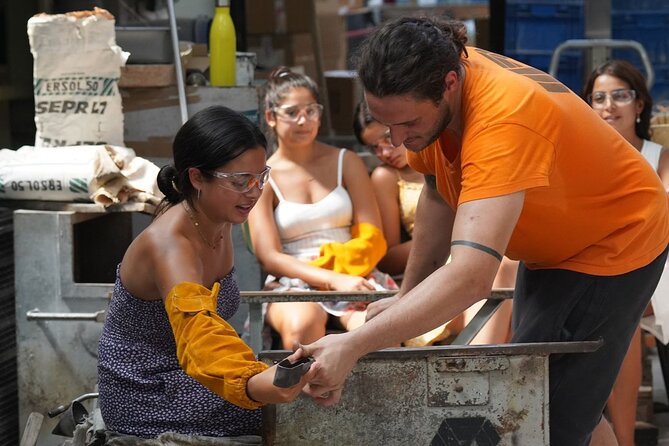
Most Murano visits let you watch an artist turn glowing glass into something beautiful. This small-group workshop puts you beside the furnace, where you practice the movements and help make your own cup, bowl, or small vase. I like the close contact with a working factory and the chance to leave with a real piece of Murano glass. I also like the four-person limit, which gives instructors such as Hillary, Tam, Melissa, Emilia, and Stefania time to guide each person.
The catch is simple: this gets hot and physical. You must wear closed shoes, avoid synthetic clothing, and handle a demanding craft at a quick pace. If extreme heat, close work around a furnace, or pressure makes you panic, a demonstration-only visit will suit you better.
Key points at a glance
- A four-person maximum: The tiny group keeps the lesson personal and gives you close help during the dangerous parts.
- A real working factory: You work inside a historic Murano glass workshop, not just in a shop or display room.
- Three stages of practice: You begin with hand movements, work with hot glass, then shape your own finished piece.
- A genuine physical challenge: Molten glass reaches about 1,000°C, and the work calls for focus, coordination, and steady movement.
- Three possible creations: You can make a drinking cup, bowl, or small custom vase, with the instructor helping you through the process.
- Pickup or paid shipping: Your piece needs time to cool and harden. Collect it the next day, or arrange shipment anywhere in the world for an added fee.
Why this Murano class feels different
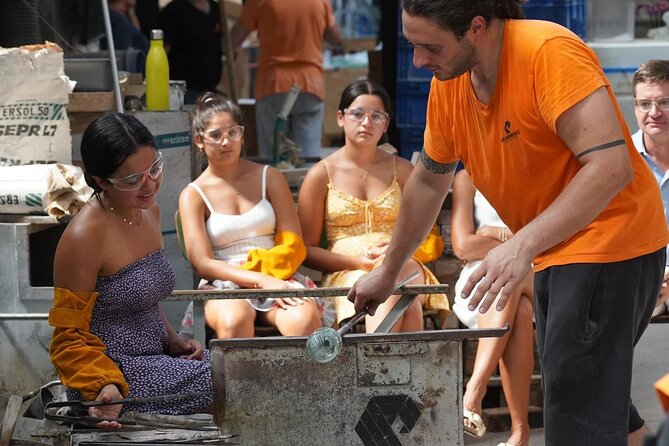
Murano is famous for glass, but many island visits follow a familiar pattern: stand in a showroom, watch a brief demonstration, then browse shelves of finished work. This class changes the balance. You still see the workshop and its artists at work, but you also take a turn at the bench.
That distinction matters. Glassblowing is not slow pottery. Clay gives you time to stop, rethink, and reshape. Hot glass keeps moving. You have to listen, watch your instructor’s hands, and make decisions while the material is soft.
The workshop has been described as an original 200-year Murano factory, with artists and assistants working nearby. That setting adds value because you can see the pace and precision of professional glassmaking around you. You are not simply making a souvenir in a classroom removed from the trade. You are learning in the same kind of place where the craft is practiced every day.
The activity is priced at $296.41 per person, so this is not a budget stop. I would not choose it if you only want a quick look at Murano’s glass shops. But the price covers more than a demonstration. You receive a small-group lesson, safety equipment, guided practice, access to a working studio, and your own handmade object. For a special occasion or a meaningful Venice souvenir, that can be a fair trade.
More Murano glassblowing visits:
- Venice: Burano, Torcello & Murano Boat Tour w/Glassblowing
★ 4.4 · 10,245 reviews - Venice: Murano and Burano Boat Tour with Glass Factory Visit
★ 4.2 · 9,527 reviews - Venice: Murano & Burano Panoramic Boat Tour w/ Glassblowing
★ 4.4 · 6,212 reviews
Arriving at Fondamenta da Mula
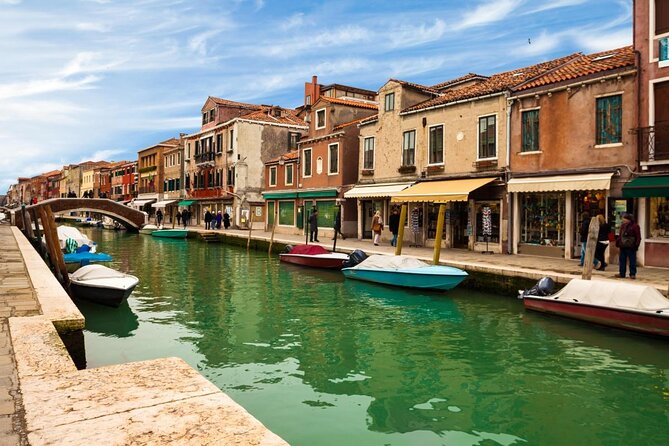
The meeting point is Fondamenta da Mula, 152, 30141 Venezia VE, Italy, on Murano. The activity ends at the same place.
Pay close attention to the address. Murano has several glass businesses close together, and it is easy to stop at the wrong workshop, especially if you are arriving by boat. Keep the exact meeting point open on your phone and allow enough time to find the right entrance.
The activity is offered in English. That is helpful during a craft where timing and safety instructions matter. Instructors have included Hillary, Tam, Melissa, Emilia, and Stefania. Past sessions have also included instructors from English-speaking backgrounds, which can make the step-by-step teaching easier to follow.
The group limit is four people. That is one of the best features here. You will not be pushed to the side of a large class while someone else handles the glass. Each person still needs to wait for the instructor’s attention at certain moments, but the format allows close help and repeated correction.
Step one: practice without glass
The class begins with movements that do not involve hot glass. This may sound basic, but it is where you learn the coordination needed later.
You practice how to hold and turn the tools, how to keep your hands working together, and how to follow the shape as it changes. The point is not to produce anything yet. It is to build a sense of rhythm and hand-eye control before a furnace enters the picture.
I like this approach because it gives you a safer way to understand the craft. You can focus on your hands rather than worrying about heat. It also makes clear why professional glassworkers seem so calm. The process depends on small, repeated movements, not on brute force.
Do not expect to become an independent glass artist in one session. You are learning the basic actions under close guidance. The finished object will be a team effort between your decisions and the instructor’s experience.
Step two: meeting the 1,000°C glass
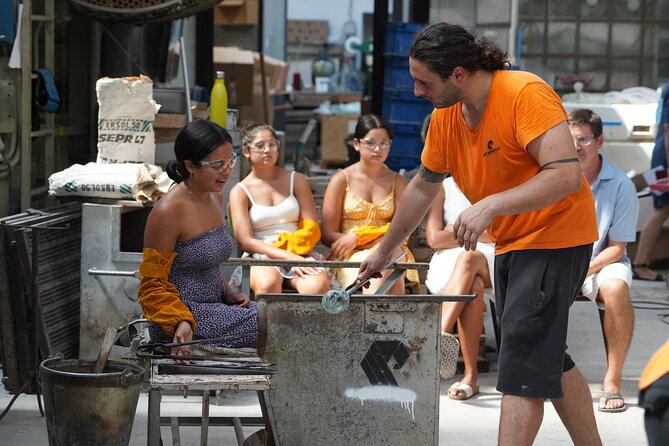
The next stage brings in hot glass. You begin to feel how much more demanding the craft becomes when the material is soft, glowing, and constantly changing.
Molten glass reaches roughly 1,000°C. You will not be left to manage it alone, but the heat is real. The instructor helps you keep the material moving and shows you how to respond to its shape. This is the point where concentration matters most.
The workshop provides safety glasses, a protective sleeve for your arm, and water to help you rehydrate. Clothing is not provided. Wear closed shoes, long trousers if possible, and natural fabrics. Avoid sandals, flip flops, slippers, slides, and synthetic clothing. Exposed legs are a poor choice because small hot splashes can happen.
The studio can feel hot, though a breeze may make it more comfortable. Plan for physical effort rather than a relaxed museum visit. You may be standing, turning, reaching, and repeating movements while staying alert to instructions.
If you have trouble resisting extreme heat, panic easily, or have health concerns that make intense activity risky, skip this class. The warning is practical, not dramatic. You should feel ready to focus in a warm, active workspace.
More island days out to Murano, Burano and Torcello:
- Boat Trip: Glimpse of Murano, Torcello & Burano Islands
★ 4.3 · 15,699 reviews - Murano, Burano and Torcello Half-Day Sightseeing Tour
★ 3.5 · 7,928 reviews - Murano & Burano Islands Guided Small-Group Tour by Private Boat
★ 4.5 · 7,580 reviews - Venice: Murano, Burano, Torcello, and Glass Factory Tour
★ 4.4 · 5,563 reviews
Step three: shape your own glass piece
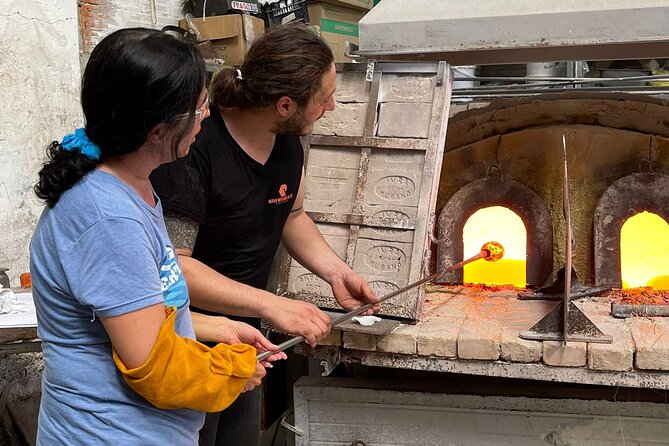
Once you have practiced, you make your own object. Your choices include a drinking cup, bowl, or small custom vase.
The instructor leads you through the process, helping you decide how to shape and finish the piece. One instructor described the process as involving 87 steps, which gives you an idea of why close guidance is important. You are not simply blowing once into a tube and receiving a finished vase.
Some of the most satisfying moments come from seeing your choices affect the glass. You may blow it to the size you want, turn it through colored fragments, and help guide the form. The instructor steps in when precision or safety calls for it, then lets you take part again.
Your result will not look exactly like a showroom masterwork, and that is part of the charm. The value is in seeing how much skill goes into even a small object. A handmade cup or bowl carries the memory of the furnace, the fast decisions, and the help you received from the artist.
The instructors are repeatedly praised for patience and careful teaching. Hillary is known for explaining each stage without overwhelming beginners. Tam has guided families and first-time makers through the work with a calm manner. Melissa, Emilia, and Stefania have also led sessions, each helping participants through the same demanding process.
What happens after the glass is shaped
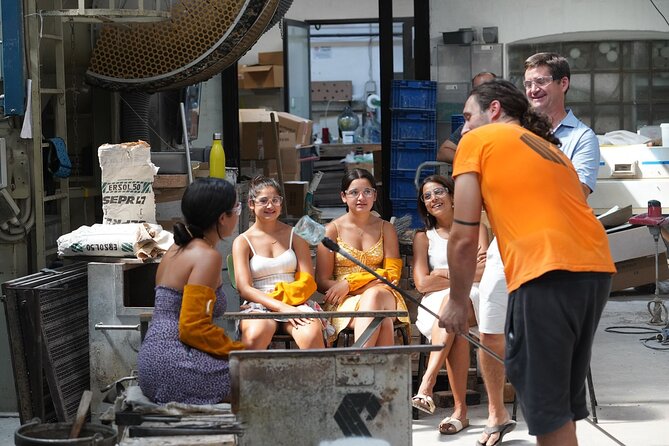
Your piece cannot go straight into your bag. It must cool and harden in a controlled way, a process called annealing.
The standard plan is to collect it the next day. Some sessions finish early enough for pickup later the same day, but you need to confirm the timing of your own class. A morning session gives you the best chance of collecting the piece before leaving Murano, though cooling can still take several hours.
If you are spending only one day on the island, shipping may be easier. The workshop can send the piece anywhere in the world, but shipping is not included in the class fee. One family paid €40 to ship two pieces to Indiana, though your cost will depend on the destination and the number of objects.
Think through this detail before booking. You do not want to rush away from Murano and then discover that your souvenir is still cooling. If you have a flexible Venice schedule, returning the next day avoids the shipping charge. If you are staying elsewhere or leaving Italy soon, paid delivery may be worth it.
Is $296.41 a fair price?
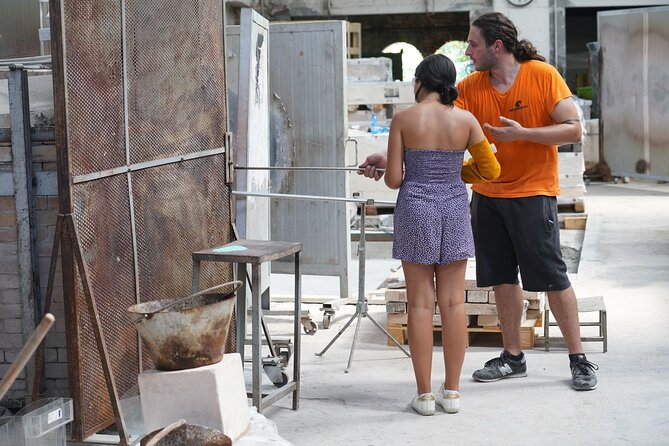
At nearly $300 per person, this is an expensive activity. You are paying much more than you would for a standard factory demonstration or a simple glass museum visit.
The value comes from the access and the personal instruction. The class lasts about two to two and a half hours, keeps the group to four people, and gives you hands-on time with the material. You also receive a finished piece rather than only photographs and a memory.
I would call it good value for someone who wants an activity rather than a passive tour. It is especially suitable for a birthday, anniversary, family milestone, or an enthusiast who already enjoys making things. It is harder to justify if your main goal is to see several Murano factories or buy a range of glassware.
Keep extra costs in mind. Shipping is separate, and the class does not provide clothing. You will need to pay for your own transport to Murano and make time for collection or delivery.
Who will enjoy this most?
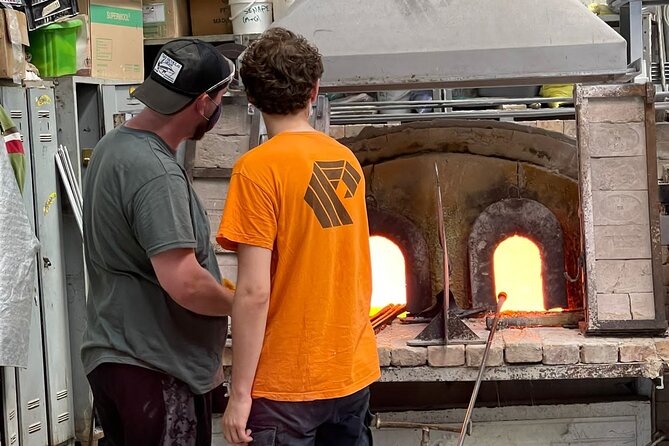
This class fits people who like learning by doing. You do not need previous glassblowing experience, but you should have moderate physical fitness and the ability to follow instructions under pressure.
It can work well for families. Children and teenagers have taken part with close help from the instructor, including participants around 12 years old. The activity is not a free-form children’s craft, though. Adults should decide if a young person can stay calm near intense heat and follow directions quickly.
It also suits couples. A two-person booking may feel almost private, giving you more space to ask questions and take part. A larger family can still book, but the maximum is four people per group, so a family of five may need a separate arrangement.
This is a good choice for makers, artists, and anyone curious about traditional craft. One participant with pottery experience found the contrast especially useful: glass moves quickly, while clay allows much more time. That lesson alone can change the way you look at Murano glass in shop windows.
Practical clothing and timing advice
Wear closed-toe shoes with a firm sole. Long trousers are sensible, and natural-fiber clothing is preferable to synthetics. Do not wear anything you would be upset to expose to dust, glass fragments, or heat.
Bring water if you like, although water is provided. You should also leave room in your schedule after class. The stated duration is about two hours, while the detailed workshop format can run closer to two and a half hours.
Book an early session if you hope to collect your object later that day. Otherwise, plan to return the next day or pay for shipping. Day visitors from outside Venice may also need to pay a €5 access fee on certain dates. Check the official Venice access-fee website before your visit, since exemptions and applicable dates can change.
The activity offers a mobile ticket and confirmation within 48 hours, subject to availability. Free cancellation is available up to 24 hours before the start time. Cancellations or changes inside that window are not refunded or accepted.
Should you book this Murano glassblowing class?
Book it if you want the most hands-on way to understand Murano glass and you are comfortable with heat, effort, and close instruction. The four-person limit, working factory setting, English-language guidance, and handmade object give the experience more substance than a standard demonstration.
Skip it if you want a cool, quiet museum visit, if your schedule leaves no time for pickup or shipping, or if extreme heat and physical activity are poor matches for you. At $296.41, it needs to be the focus of your Murano visit, not an add-on you squeeze between shops.
For the right person, this is a memorable souvenir with a story built into it. You do not just buy Murano glass. You learn how hard it is to make.
FAQ
How long does the glassblowing class last?
The experience is listed at about two hours, while the workshop format can take around two and a half hours. Allow extra time for the session and for arranging collection or shipping.
How many people can join the workshop?
The maximum group size is four people. This allows close instruction during the practice and glassmaking stages.
What can I make during the class?
You can choose to make a drinking cup, bowl, or small custom vase with help from the instructor.
Can I take my glass piece home the same day?
Your piece must anneal overnight, so next-day pickup is the standard plan. Some early sessions may allow pickup later the same day after several hours of cooling. You can also arrange paid shipping.
What should I wear?
Wear closed shoes, not sandals, flip flops, slippers, or slides. Synthetic clothing is not recommended, and long trousers provide better protection than exposed legs.
Is shipping included in the price?
No. Shipping is an extra charge. The workshop can ship your piece anywhere in the world, or you can collect it at the meeting point after it has cooled.
More hands-on workshops in Venice
- Venice: Carnival Mask Workshop
★ 4.5 · 1,925 reviews - Venice: Pasta and Tiramisu Cooking Class with Wine
★ 4.9 · 1,010 reviews - Pasta and Tiramisu Cooking Class with Wine in Venice
★ 5.0 · 945 reviews - Create Your Glass Artwork: Private Lesson With Local Artisan
★ 5.0 · 556 reviews
Recently added around Venice
- Your evening in Venice – Legends&Ghosts&Aperitif★ 4.7 · 79 reviews
- Venice: City Tour & Skip the Line for St. Mark’s Basilica★ 4.1 · 84 reviews
- Walking Tour to Uncover the Hidden Venice★ 4.4 · 34 reviews
- Wine Tasting in Venice★ 4.6 · 42 reviews
- Venice: Walking Tour & Gondola Ride★ 4.4 · 22 reviews
- Venice: Watercolor Painting Class at the Prisons Palace★ 4.7 · 27 reviews
- VIRTUAL MUSEUM: Creature di Gomma – Venice Vintage Toys★ 4.7 · 3 reviews
- Venice Walking Tour from St. Mark’s to Rialto Bridge★ 4.5 · 12 reviews
Murano Burano and Torcello Island Tours, compared.
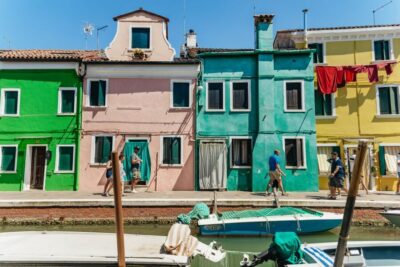
Boat Trip: Glimpse of Murano, Torcello & Burano Islands
Read our review →
Burano, Torcello & Murano Boat Tour w/Glassblowing
Read our review →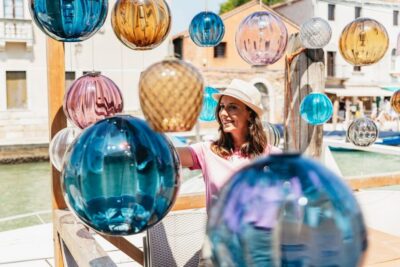
Murano and Burano Boat Tour with Glass Factory Visit
Read our review →
Murano, Burano and Torcello Half-Day Sightseeing Tour
Read our review →
Murano & Burano Islands Guided Small-Group Tour by Private Boat
Read our review →
Murano & Burano Panoramic Boat Tour w/ Glassblowing
Read our review →
Venice Islands: Murano Glass & Burano Colors Guided Visit
Read our review →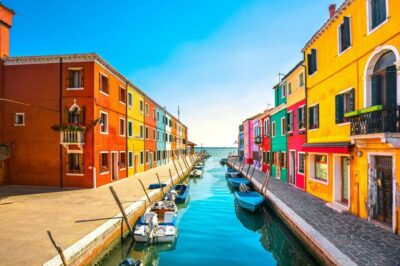
Browse the lists this tour appears in