
Reviewed · MURANO BURANO AND TORCELLO ISLAND TOURS
Island Hopping Tour: Mazzorbo, Burano and Murano
The best thing about this tour is that it shows you three very different lagoon islands in one outing. You get Mazzorbo’s quiet gardens and vineyard, Burano’s painted houses and lace traditions, then Murano’s working glass district, with local guide Valerio Coppo adding personal connections along the way.
I like the route for two reasons: it reaches the peaceful side of Mazzorbo before Burano’s famous color, and it uses small artisan stops on Murano rather than only sending you to a standard showroom. The main drawback is simple: this is a walking-heavy half-day, and the schedule can feel long if you are tired or traveling with young children.
Key points to know before booking
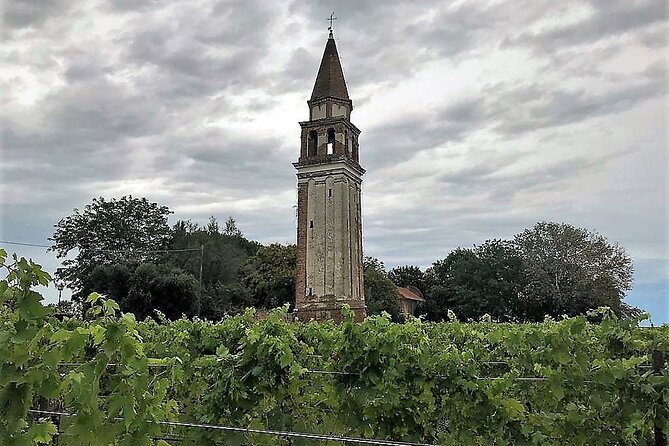
- Mazzorbo gives you quiet lagoon life: Walk among gardens, vineyards, and a monastery on an island with fewer than 300 residents.
- Venissa adds a rare wine stop: See the walled vineyard where the native Dorona grape is grown.
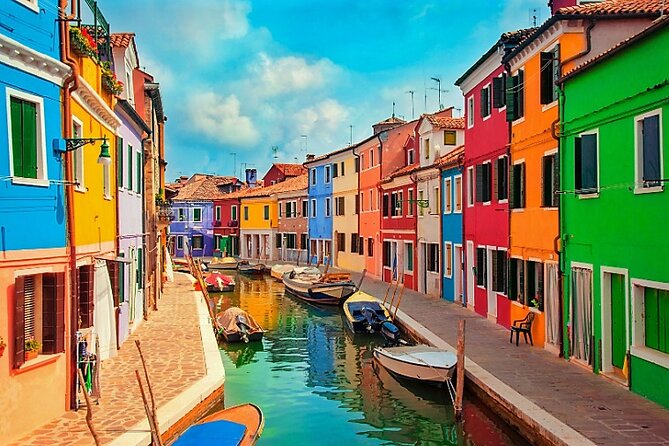
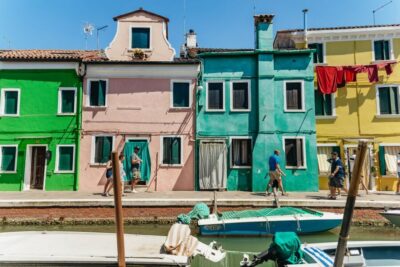
- Burano is the visual star: Follow colorful canals, visit a lace atelier, and cross bridges with excellent photo views.
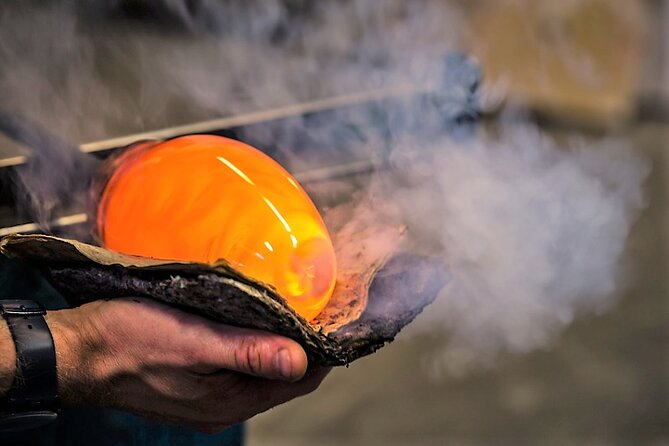
- Murano is personal rather than theatrical: Meet artisans and see lampwork and glass production connected to Valerio’s local ties.
- The group is small: The maximum is 10 people, which suits a conversational walking tour.
- Transport costs extra: Water-bus tickets are not included, so budget for those separately.
Why this island route works so well
Venice is often treated as one city, but the lagoon is a collection of distinct communities. This tour makes that point clearly. In a few hours, you move from a nearly rural island to a postcard favorite and then to a working craft center.
The order is smart. You begin at Combo in Venice’s Fondamente Nove area, then make your way toward Mazzorbo. The first island is the quietest part of the day. Instead of dropping you into a crowded street, it lets you slow down among greenery, vineyards, and old buildings.
From there, the walk builds toward Burano’s color and activity. Later, Murano adds a different kind of interest: not painted houses, but workshops, canals, glass, and the guide’s own connection to the island.
The tour is offered in English and limited to 10 people. That matters here. Island walks are more enjoyable when you can hear explanations, ask questions, and keep moving without managing a large crowd. Valerio lives in Murano and has worked in the glass industry, so his perspective is tied to the place rather than limited to general Venetian facts.
More island days out to Murano, Burano and Torcello:
- Boat Trip: Glimpse of Murano, Torcello & Burano Islands
★ 4.3 · 15,699 reviews - Venice: Burano, Torcello & Murano Boat Tour w/Glassblowing
★ 4.4 · 10,245 reviews - Venice: Murano and Burano Boat Tour with Glass Factory Visit
★ 4.2 · 9,527 reviews
Mazzorbo and the Dorona vineyard
Mazzorbo is the tour’s quiet surprise. Fewer than 300 people live there, and the setting feels far removed from Venice’s busiest lanes. You walk through gardens, vineyards, and a monastery, with time to notice the island’s slower rhythm.
There is not a long list of headline sights here. That is both the appeal and the limitation. If you want churches, museums, and a packed schedule of major monuments, Mazzorbo may seem sparse. If you like seeing how an island community feels away from the crowds, the half-hour walk gives the tour a welcome change of pace.
The Venissa Wine Resort is one of the most distinctive stops. Its walled vineyard grows the native Venetian Dorona grape, a variety tied to the lagoon region. You get about 15 minutes to walk and relax in the vineyard setting.
This is not presented as a full wine tasting or a long cellar visit, so you should not book the tour expecting a dedicated winery experience. Think of it as a short look at a special agricultural project in an unlikely place. The vineyard also gives you a useful reminder that the Venetian lagoon is not only water, boats, and architecture.
Crossing into colorful Burano
The long bridge from Mazzorbo to Burano is an important part of the route. Rather than arriving by boat and immediately facing the island’s busiest streets, you approach on foot beside the lagoon.
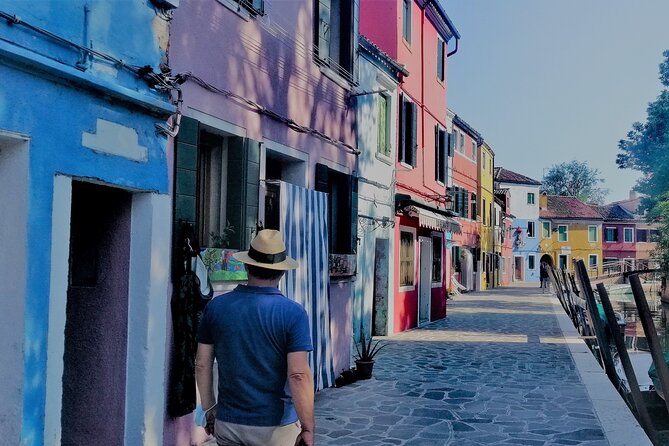
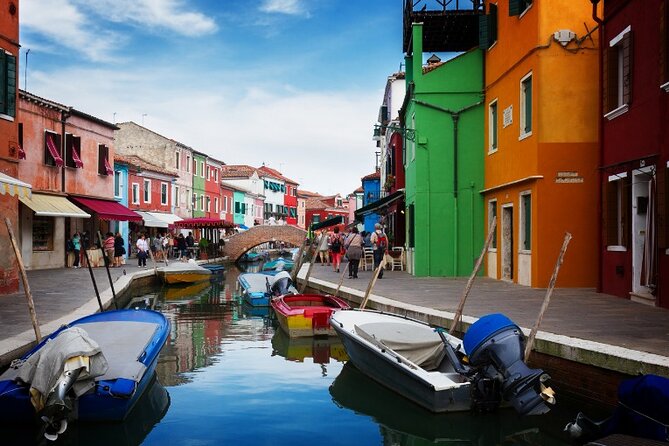
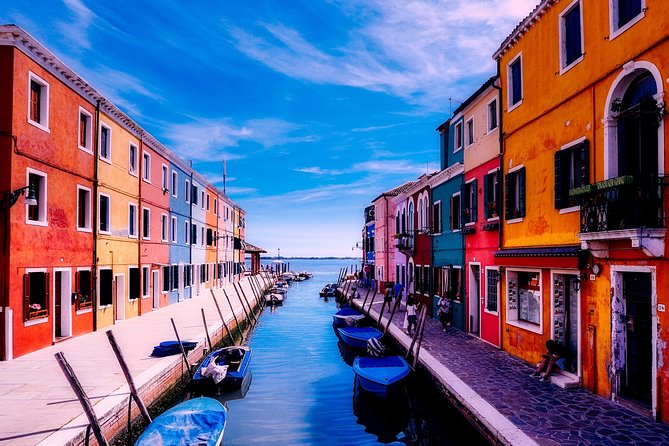
That walk gives you time to see the water, small boats, and changing views before the colorful houses begin. Burano is known for bright façades, lace production, and seafood, but the real pleasure is simply wandering from one canal and bridge to the next.
The itinerary allows about an hour on Burano, split among several small areas. At Ponte della Vigna, you cross a bridge with views of boats at the dock and fishermen’s houses. It is a good place to pause with your camera, since the scene combines working waterfront details with the island’s colorful buildings.
Near San Martino, the route takes you through quieter alleys toward the Terranova bridge. From there, you can see the leaning bell tower of the church and judge the angle for yourself. The view is more memorable because you encounter it while walking through the island, not simply by stopping at a marked photo point.
You then reach Piazza Baldassarre Galuppi, Burano’s only square. This is where the lace tradition becomes more than a souvenir display. A traditional atelier provides a chance to see lace makers at work.
The tour also includes the Love Viewing Bridge, which connects three canals and three colorful streets. The name is playful, but the setting is practical for photography. You can see how the canals divide the island and how closely the houses, bridges, and boats fit together.
What Burano is like in practice
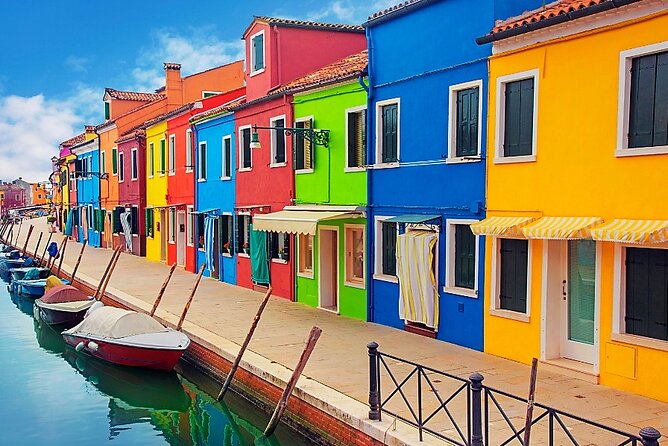
Burano is likely to be your favorite stop if you enjoy photography, local crafts, and short walks with frequent visual changes. Every turn offers another combination of painted walls, laundry, canals, and boats.
The bright façades are not just decoration for visitors. They are part of Burano’s identity, and the colors make it easy to understand why the island is so popular. The guide’s route aims to keep you away from the most crowded areas while still showing the main character of the place.
You should allow for the fact that Burano can be popular. The tour cannot remove other people from the island, especially around the best-known streets and bridges. It can, however, steer you toward less pressured paths and give you context for what you are seeing.
The lace stop also needs the right expectations. You see traditional work in progress, but this is not a long craft course. You will have time to look, ask questions, and understand why lace remains part of Burano’s cultural identity.
A different way to spend a morning on the water:
- Venice: Doge’s Palace Reserved Entry Ticket
★ 4.6 · 42,716 reviews - Venice: Grand Canal Gondola Ride with App Commentary
★ 4.1 · 18,908 reviews - Venice: Grand Canal by Gondola with Live Commentary
★ 4.1 · 13,681 reviews - Venice: La Fenice Opera House Entry Ticket with Audio Guide
★ 4.6 · 11,742 reviews
Taking the water bus to Murano
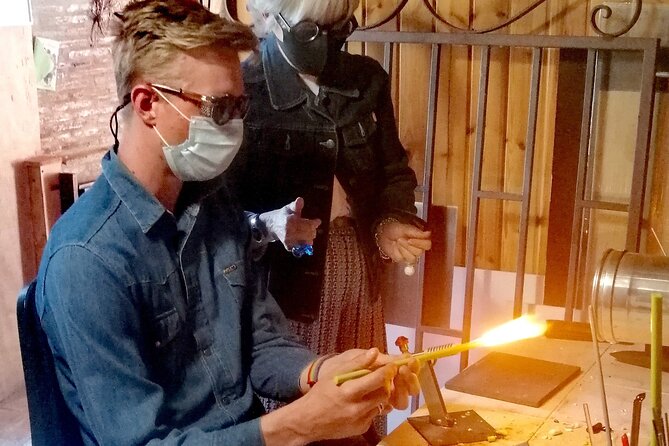
After Piazza Baldassarre Galuppi, you take a water bus toward Murano. The ticket is not included, and tickets are purchased onboard. This is an important cost detail, since the advertised tour price covers the guide and experience rather than every transport expense.
The boat transfer is also a useful rest. One family completing the route logged close to 12,000 steps and found the day worthwhile but tiring. The water-bus portion gives your feet a break and lets you see the lagoon from a seated position.
The timing is described as approximately four hours and 30 minutes, but your exact pace can vary. The many short stops, bridges, alleys, and transfers create a full outing even though several individual stops last only 15 minutes. If you like to stop often for photos, or if your group pauses for lunch afterward, the experience can run longer in practical terms.
Murano through a local glassmaker’s eyes
Murano is the final major section, and it shifts the focus from scenery to craft. You begin with a walk through parts of the island that many quick day trips miss.
At Ferro Vetro Monica Cavaletto, you see a lampwork artist creating glass pieces. Lampworking is different from the large-scale furnace demonstrations commonly arranged for tour groups. The work is smaller and more precise, with the artisan shaping glass for beads, jewelry, and other objects.
This distinction matters. If your main goal is to watch a dramatic glassblower produce a large vase in a few minutes, this may not be the exact experience you expect. The stop instead offers contact with a working artisan and a more personal look at a tradition that dates back to the 16th century.
Valerio’s connection to this workshop adds value. He once worked in the glass industry and knows people on the island, so the visit has the feel of an introduction rather than a simple entrance into a commercial display space.
You then stroll along Rio dei Vetrai, the canal of the glassmakers. Factories and workshops line this part of Murano, and the walk shows how glassmaking remains tied to the island’s streets and canals.
At Palazzo Barovier and Toso, you see one of the world’s oldest glass factories. The stop focuses on the meeting point between tradition, design, and fashion. You may find the contrast interesting: Murano glass is an old craft, but its makers continue to develop modern forms and styles.
Murano’s churches and former bead district
The Church of Saint Peter Martyr provides a change from workshops and showrooms. Inside are Renaissance works and glass chandeliers, giving you a chance to see how Murano’s artistic life extends beyond its famous craft.
This stop is brief, about 15 minutes, so do not expect a full church tour. It works as a compact cultural pause between the glassmaking areas.
The final stop is Punta Conterie, an industrial complex once connected with bead production. It is one of the route’s less obvious places, and it helps explain that Murano’s history includes more than luxury glass objects. Beads and small glass pieces were also an important part of the island’s working economy.
The tour ends at Murano Navagero, on Fondamenta Andrea Navagero. From there, you can continue back to Venice by water bus. The finish is practical because you are not required to return with the guide to the original meeting point.
The guide and the small-group feel
Valerio Coppo is a Murano resident, and that is one of the tour’s strongest features. His local ties shape the experience, especially on Murano, where he can introduce you to people connected with the glass trade.
He also presents the islands as lived-in places rather than outdoor museums. You still see the famous sights, but the route includes ordinary streets, working canals, artisan spaces, and quieter corners.
The group limit of 10 supports this approach. You can hear the guide more easily, and the group is small enough to move through narrow lanes without creating a traffic jam. It also makes it easier to tell Valerio if you need a short pause.
That last point matters. The route involves a lot of walking, and one family found the distance tiring despite enjoying the experience. Tell the guide early if you need to slow down. A walking tour works best when you pace yourself rather than trying to keep up until you are worn out.
Is the $185 price good value?
At $185.02 per person, this is not a budget way to see Burano and Murano. You are paying for a guided small-group experience, local knowledge, a planned route across three islands, and access to artisan connections that would be difficult to arrange alone.
The value is strongest if you want interpretation and a clear plan. Independent visitors can reach the islands by public water bus, walk around Burano, and visit Murano on their own. That option costs less, but it leaves you to manage the route, transfers, timing, and workshop choices.
The tour price does not include water-bus tickets, so include those in your budget. Group discounts may be available, which could improve the value for families or larger parties.
I would see the price as reasonable for a visitor who wants more than a quick photo stop, especially if the local glass connections are a priority. It is less compelling for someone who already knows the islands, prefers a slow independent day, or wants to spend a long time inside one museum or workshop.
Who should book this tour?
I would recommend it to first-time Venice visitors who want to see the lagoon beyond the historic center. It also suits photographers, craft enthusiasts, and anyone curious about daily life on the islands.
The tour is a good match for people who enjoy walking and short, varied stops. You move often, cross bridges, enter small streets, and use public water transport. Most people can participate, and service animals are allowed, but the distance deserves serious thought.
Families can enjoy Burano’s colors and the glassmaking stops, though younger children may tire before Murano. Older visitors should also consider the amount of walking. If you prefer a boat-centered outing with minimal footwork, this is probably not the right format.
The experience is offered in English. Confirmation arrives at booking, and the tour may require a minimum number of participants. Free cancellation is available until 24 hours before the start time, which gives you some flexibility when planning your Venice days.
Should you book Island Hopping Tour?
Book it if you want a guided introduction to Mazzorbo, Burano, and Murano that mixes scenery with local craft. The strongest parts are the quiet start in Mazzorbo, the carefully chosen Burano walks, and Valerio’s Murano connections.
Skip it if you want a relaxed boat ride, a long glassblowing performance, or plenty of unstructured time. This is a brisk walking route with many short stops, and you need to pay for water-bus tickets separately.
For the right visitor, the tour offers something more useful than a checklist of islands. It shows you how different each community feels, then leaves you in Murano with an easy route back to Venice.
FAQ
How long is the Island Hopping Tour?
The tour lasts approximately four hours and 30 minutes.
Which islands does the tour visit?
It visits Mazzorbo, Burano, and Murano.
Where does the tour start?
The meeting point is Combo, Venezia, Campo dei Gesuiti, 4878, in the Fondamente Nove area of Venice.
Where does the tour end?
The tour ends at Murano Navagero on Fondamenta Andrea Navagero. You can return to Venice from there by water bus.
Are water-bus tickets included?
No. Water-bus tickets are not included and are purchased onboard.
Is the tour offered in English?
Yes. The experience is offered in English.
How many people can join the tour?
The maximum group size is 10 travelers.
What can I see in Mazzorbo?
You can walk through gardens, vineyards, and a monastery, and visit the area around the Venissa vineyard, where the native Venetian Dorona grape is grown.
Will I see lace being made in Burano?
Yes. The route includes a traditional lace atelier in Piazza Baldassarre Galuppi, where lace makers are at work.
What happens on Murano?
You visit artisan glass spaces, walk along Rio dei Vetrai, see Palazzo Barovier and Toso, visit the Church of Saint Peter Martyr, and explore Punta Conterie. One workshop features a lampwork artist creating glass pieces.
Can service animals join the tour?
Yes. Service animals are allowed.
Can I cancel for a full refund?
Yes, if you cancel at least 24 hours before the experience start time. Changes or cancellations made less than 24 hours before the start are not accepted for a refund.
Recently added around Venice
- Your evening in Venice – Legends&Ghosts&Aperitif★ 4.7 · 79 reviews
- Venice: City Tour & Skip the Line for St. Mark’s Basilica★ 4.1 · 84 reviews
- Walking Tour to Uncover the Hidden Venice★ 4.4 · 34 reviews
- Wine Tasting in Venice★ 4.6 · 42 reviews
- Venice: Walking Tour & Gondola Ride★ 4.4 · 22 reviews
- Venice: Watercolor Painting Class at the Prisons Palace★ 4.7 · 27 reviews
- VIRTUAL MUSEUM: Creature di Gomma – Venice Vintage Toys★ 4.7 · 3 reviews
- Venice: Walking Tour & Gondola Ride★ 4.4 · 54 reviews
Murano Burano and Torcello Island Tours, compared.
Boat Trip: Glimpse of Murano, Torcello & Burano Islands
Read our review →
Burano, Torcello & Murano Boat Tour w/Glassblowing
Read our review →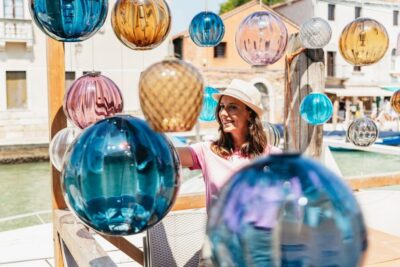
Murano and Burano Boat Tour with Glass Factory Visit
Read our review →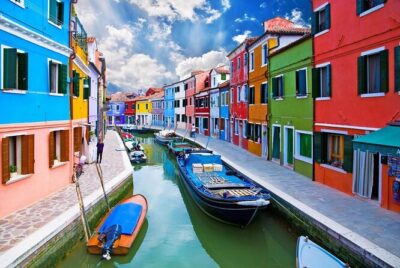
Murano, Burano and Torcello Half-Day Sightseeing Tour
Read our review →
Murano & Burano Islands Guided Small-Group Tour by Private Boat
Read our review →
Murano & Burano Panoramic Boat Tour w/ Glassblowing
Read our review →
Venice Islands: Murano Glass & Burano Colors Guided Visit
Read our review →
Browse the lists this tour appears in