
Reviewed · WORKSHOPS
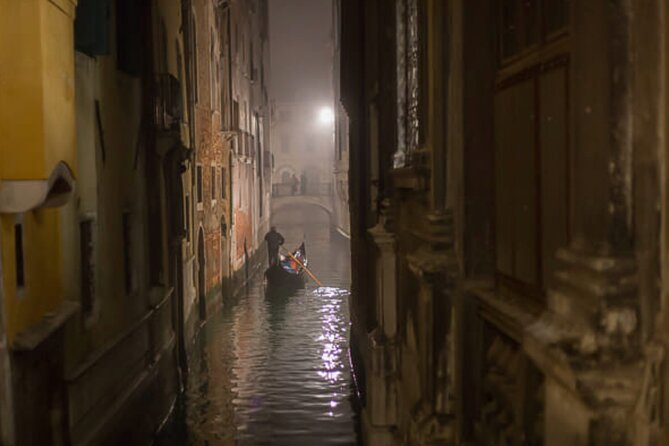
Photography workshop in the magical Venice (3h)
Venice becomes your classroom on this three-hour photography walk from Santa Lucia station through Rialto toward Piazza San Marco. Photographer Andrea Zavagnin adjusts the session to your camera skills, from basic settings to more advanced composition, so you spend less time guessing and more time making pictures.
I like the personal teaching style and the small maximum of eight people. I also like that the route uses Venice itself as the lesson, with street scenes and architecture rather than a classroom lecture. The main consideration is equipment: you must bring your own camera, and the listed price of $162.06 per person is a serious cost for a walking workshop.
Key points to know
- Andrea Zavagnin adapts the lesson to your camera experience and the equipment you bring.
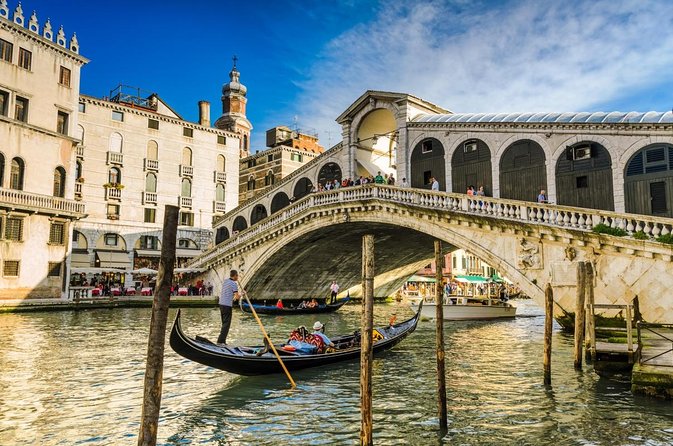
- The walk links three major Venice areas: Santa Lucia station, Rialto, and Piazza San Marco.
- You practice as you go, working on street photography, architecture, composition, and camera settings.
- The group is limited to eight people, with the possibility of a more personal session if numbers are low.
- You bring your own photography equipment, while Andrea supplies a tripod.
- Children up to age 13 participate free, but you must notify the provider of their number and ages.
Using Venice as your photography classroom
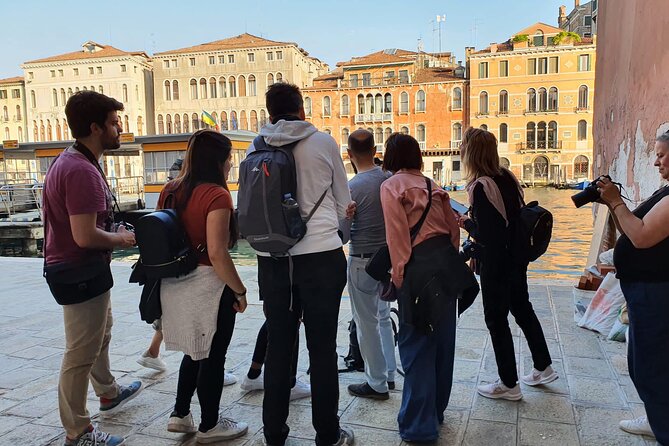
This is not a standard sightseeing walk with a few photo stops added on. The purpose is to help you make better photographs yourself. You walk through Venice while learning how to read light, frame buildings, choose a viewpoint, and move beyond automatic camera settings.
That difference matters. You could leave Venice with hundreds of snapshots and still feel that none quite show what you saw. A workshop gives you a chance to slow down and ask why one picture works better than another. Andrea’s teaching focuses on street photography and architecture, two subjects Venice supplies in abundance.
You will need to take part actively. Bring your camera, listen to the advice, then try the technique immediately. This format suits you if you want practical instruction rather than a talk about photography theory.
Andrea Zavagnin adjusts the session after finding out how much experience you have with your camera. That makes the workshop useful for a mixed group. A beginner can work on shutter speed, aperture, focus, and composition, while a more experienced photographer can spend more time refining an established style.
The experience has also been described as running longer than the advertised three hours in a one-to-one setting. You should treat three hours as the stated duration, but allow extra flexibility if the pace becomes more personal or the group wants more practice.
More photo shoots in Venice:
- Venice: Photoshoot at Piazza San Marco and the Canals
★ 4.8 · 763 reviews - Fabulous photoshoot in the Canals of Venice
★ 5.0 · 122 reviews - Cinematic Photoshoot in Venice: Capture Venice Hidden Gems
★ 5.0 · 109 reviews
Starting at Santa Lucia station
The meeting point is Venezia Santa Lucia railway station, at 30121 Venice. This is a practical place to begin because it is the main rail arrival point and sits directly in the pedestrian heart of the city.
Before the walk begins, Andrea can assess your experience and ask about your equipment. That early conversation is useful. A person carrying a modern mirrorless camera needs different help from someone using a phone, compact camera, or older digital SLR. The supplied information says no photography equipment is provided, so bring the camera you intend to use.
Andrea brings a tripod. That is a helpful extra, especially when he wants to demonstrate stability or explain how a tripod changes a composition. It does not replace your own equipment, though. Pack your camera, suitable lenses if you have them, spare batteries, and enough memory for several rounds of practice.
The station area is also a good place to begin thinking about the difference between a record shot and a considered photograph. Venice immediately offers canals, bridges, people, signs, and architectural lines, but the workshop is about learning how to choose among them.
From Santa Lucia toward Rialto
The planned walk continues from the station toward Rialto. This gives you a clear sense of Venice as a city made for movement on foot. You are not being taken from one isolated viewpoint to another by vehicle. The route itself becomes part of the lesson.
Rialto is one of Venice’s best-known areas, but fame does not make it simple to photograph. Bridges, water, buildings, passing people, and changing viewpoints can create a crowded frame. Andrea can help you decide what belongs in the picture and what should be left out.
This is where the street photography side of the workshop becomes especially useful. You might work on timing, perspective, leading lines, or the balance between architecture and daily life. The supplied information does not promise a set list of specific alleys or photo stops, so you should expect guidance based on the group, the day, and the interests of the participants.
The walk also has a physical side. You will be on foot for about three hours, carrying your own equipment through Venice. Comfortable shoes are sensible, and a lighter camera bag will make it easier to concentrate on the lesson.
Photographing Venice’s architecture
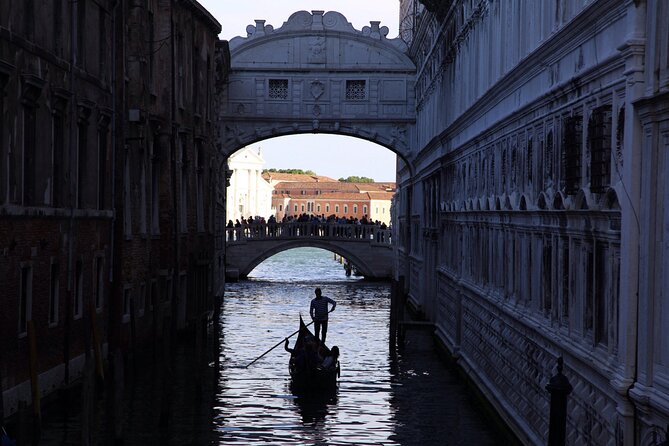
Venetian architecture can look easy to photograph because it is so attractive. In practice, it can be hard to organize. Ornate facades, narrow streets, canals, bridges, and open squares often compete for attention.
The workshop addresses architecture techniques, which may help you make stronger choices about angle, spacing, and composition. Instead of photographing an entire building every time, you can learn to notice a doorway, repeating windows, a reflection, or the way a passage frames a distant view.
I value this part of the experience because it can improve your photography long after you leave Venice. The city provides the examples, but the principles apply to churches, historic streets, public buildings, and city details anywhere.
You should also expect to practice rather than simply watch. The useful moment comes after Andrea explains a technique and you try it yourself. A strong teacher can spot why a frame feels unbalanced or why a subject is lost in the background, then give you a direct adjustment to test.
More hands-on workshops in Venice:
- Venice: Carnival Mask Workshop
★ 4.5 · 1,925 reviews - Venice: Pasta and Tiramisu Cooking Class with Wine
★ 4.9 · 1,010 reviews - Pasta and Tiramisu Cooking Class with Wine in Venice
★ 5.0 · 945 reviews - Create Your Glass Artwork: Private Lesson With Local Artisan
★ 5.0 · 556 reviews
Reaching Piazza San Marco
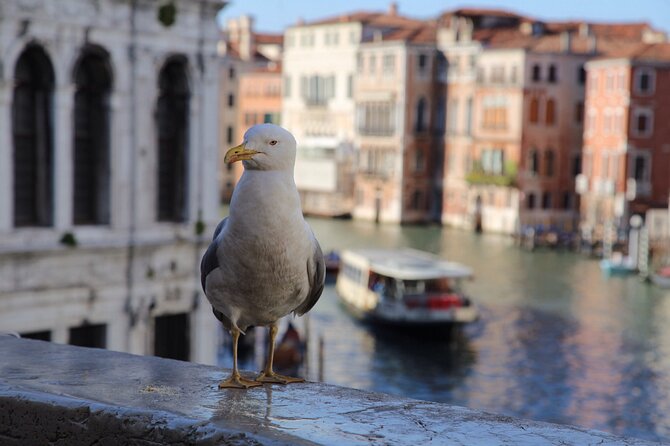
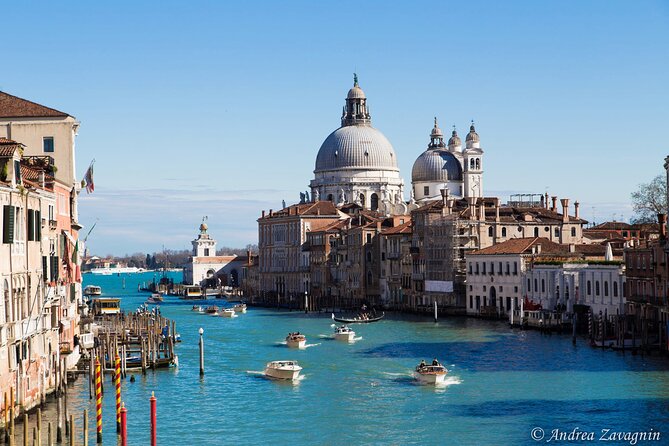
The route is described as continuing from Rialto to Piazza San Marco, Venice’s grand central square. This gives the workshop a satisfying finish, moving from the station through one of the city’s major bridges and toward its most famous public space.
Piazza San Marco offers a very different photographic setting from the narrower streets. Here you can work with broad architectural views, repeating columns, open space, and the relationship between people and buildings. It is also a place where composition matters. A camera can record a large square, but a good image needs a clear subject and a deliberate frame.
There is one practical point to clarify before booking. The route description says the walk finishes at Piazza San Marco, while the meeting-point information says the activity ends back at the meeting point. Those details do not fully match. Ask Andrea to confirm the exact finishing point for your date, especially if you have a train to catch or another reservation afterward.
A small group with room for questions
The maximum group size is eight people. That is small enough to allow questions and individual camera help, but it is not automatically a private lesson. Your experience will depend on how many people book and how different their skill levels are.
A small group is particularly important for a photography workshop. You need time to show Andrea your screen, ask why a setting did not work, and try again without holding up a large crowd. The teaching style is described as flexible, with the route and advice adjusted to participant experience and equipment.
The session may become even more personal if fewer people book. A one-to-one workshop has previously extended beyond the listed three hours, with extra time spent walking, exploring areas away from the main tourist paths, and learning to use the camera off automatic mode.
That possibility is attractive, but you should not assume a private class or a longer duration. The confirmed format is a group activity of about three hours with a maximum of eight participants.
What to bring, and what you will not receive
The most important packing instruction is simple: bring your own photography equipment. No camera, lens, or other photography gear is supplied.
Use the equipment you understand best. A complicated camera will not help if you are still searching through menus. If you are new to photography, bring the manual or a fully charged phone with access to your camera instructions. Andrea can guide you, but he cannot provide a camera for practice.
Andrea brings a tripod, which is included. You do not need to carry one unless you prefer your own. Since the walk is outdoors and weather-dependent, protect your equipment with a basic cover or bag if rain is possible.
You should also bring comfortable walking shoes and keep the load light. The workshop is built around moving through Venice, stopping to photograph, and continuing on. A heavy bag can become a distraction before the lesson is over.
Is $162.06 a fair price?
At $162.06 per person, this is not a cheap way to see Venice. You are paying for a small-group photography lesson, not only for a guided walk between famous places.
The price makes more sense if you already own a camera and want direct help using it. A standard sightseeing tour may show you the best-known views, but it will not usually stop to explain why your exposure is wrong or how to improve the frame. Here, the value comes from instruction tailored to your skill level.
It is also a better fit for someone who wants to bring home stronger photographs rather than simply collect facts about the city. If you are not interested in camera settings or composition, the cost will be harder to justify.
The group limit helps support the price. A maximum of eight gives Andrea a reasonable chance to work with individuals. If your date becomes a very small group, the value improves because you may receive more direct attention. Still, I would book this for the teaching, not for the promise of exclusive access to famous sights.
Group discounts are available, though the amount is not specified. Families should also note that children and teenagers up to age 13 can participate free. You must send a message before the activity and state how many children are coming and their ages.
Who will enjoy this workshop most?
This workshop suits several kinds of visitors:
- You are a beginner who wants to understand your camera beyond automatic mode.
- You have some experience but want help with composition and architecture.
- You are visiting Venice specifically to improve your photography.
- You prefer learning by taking pictures rather than sitting through a lecture.
- You want a small group and direct contact with the instructor.
- You have your own camera and are willing to carry it for a walking session.
It is less suitable if you want a relaxed sightseeing tour with no technical discussion. It may also disappoint you if you expect cameras or lenses to be supplied. The activity is designed for participants who bring equipment and use it during the walk.
Most people can take part, and service animals are allowed. The starting point is near public transportation at Santa Lucia station. The workshop requires good weather, so poor conditions can lead to a different date or a full refund.
Timing, access fees, and cancellation
Confirmation is provided when you book. The session lasts about three hours, though a smaller, more personal class may take longer. Since the activity is outdoors, leave some space in your day instead of scheduling a tight connection immediately afterward.
On certain dates, day visitors staying outside Venice may need to pay a €5 access fee. The applicable dates, exemptions, and payment details are handled through the official Venice access-fee website at cda.ve.it. This charge is separate from the photography workshop.
You can cancel for a full refund if you do so at least 24 hours before the local start time. Cancellations or changes made within 24 hours are not accepted for a refund. If bad weather causes the provider to cancel, you will be offered another date or a full refund.
Should you book the Venice photography workshop?
Book it if you want to improve your own photographs and appreciate personal instruction. Andrea Zavagnin’s flexible approach, the small group limit, and the walk from Santa Lucia through Rialto toward Piazza San Marco create a useful mix of teaching and sightseeing.
The price is worth considering carefully. You need your own camera, the duration is about three hours, and the route’s final point should be confirmed because the supplied directions describe it differently in two places.
For a camera owner who wants to learn composition, architecture photography, and manual settings in a real city rather than a classroom, I would choose this workshop. If you only want Venice highlights and a few quick snapshots, spend less on a regular walking tour and keep your camera on automatic.
FAQ
Where does the photography workshop start?
It starts at Venezia Santa Lucia train station, at 30121 Venice, Italy.
Where does the workshop go?
The planned walk goes from Santa Lucia station toward Rialto and then to Piazza San Marco.
Where does the activity finish?
The route description says the final point is Piazza San Marco, while the meeting-point information says the activity ends back at the meeting point. Confirm the exact finishing point with Andrea before booking.
How long does the workshop last?
The listed duration is approximately three hours. A more personal session may run longer, but you should plan around the stated three-hour duration.
Do I need to bring my own camera?
Yes. No photography equipment is provided, so you must bring your own equipment. Andrea brings a tripod.
How many people can join?
The activity has a maximum of eight travelers.
Can children participate?
Children and teenagers up to 13 years old can participate free. You must notify the provider by message and state the number and ages of the children.
Can I cancel for a refund?
Yes. You can receive a full refund if you cancel at least 24 hours before the local start time. Poor weather may also lead to a different date or a full refund.
More 3-Hour Experiences in Venice
- Eat Like a Local: Venice 3-Hour Small-Group Food Tasting Tour
★ 5.0 · 3,137 reviews - 3 Hours Private Original Venice Photo Walk
★ 5.0 · 57 reviews - Venice: 3-Hour Private Photo-Walk
★ 5.0 · 27 reviews - 3-hour Best of Venice Highlights Private Walking Tour
★ 5.0 · 8 reviews
Recently added around Venice
- Your evening in Venice – Legends&Ghosts&Aperitif★ 4.7 · 79 reviews
- Venice: City Tour & Skip the Line for St. Mark’s Basilica★ 4.1 · 84 reviews
- Walking Tour to Uncover the Hidden Venice★ 4.4 · 34 reviews
- Wine Tasting in Venice★ 4.6 · 42 reviews
- Venice: Watercolor Painting Class at the Prisons Palace★ 4.7 · 27 reviews
- VIRTUAL MUSEUM: Creature di Gomma – Venice Vintage Toys★ 4.7 · 3 reviews
- Venice: Walking Tour & Gondola Ride★ 4.4 · 22 reviews
- Venice Walking Tour from St. Mark’s to Rialto Bridge★ 4.5 · 12 reviews
Workshops, compared.
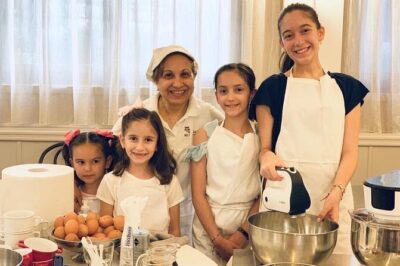
Pasta and Tiramisu Cooking Class with Wine in Venice
Read our review →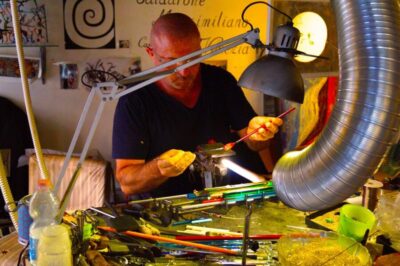
Create Your Glass Artwork: Private Lesson With Local Artisan
Read our review →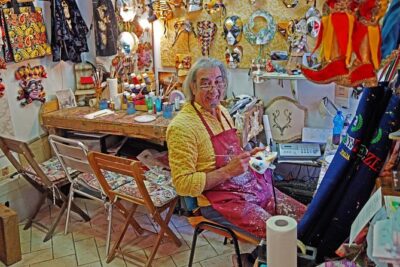
Venetian Carnival Mask Making Class in Venice, Italy
Read our review →
Murano Glass Factory Experience: A Workshop in Venice
Read our review →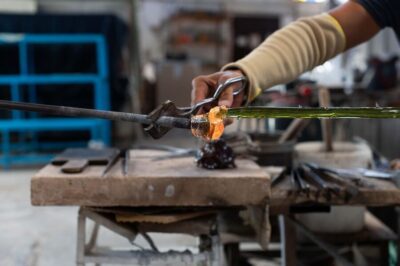
Browse the lists this tour appears in