
Reviewed · MUSEUMS
Venice: Natural History Museum Entry Ticket
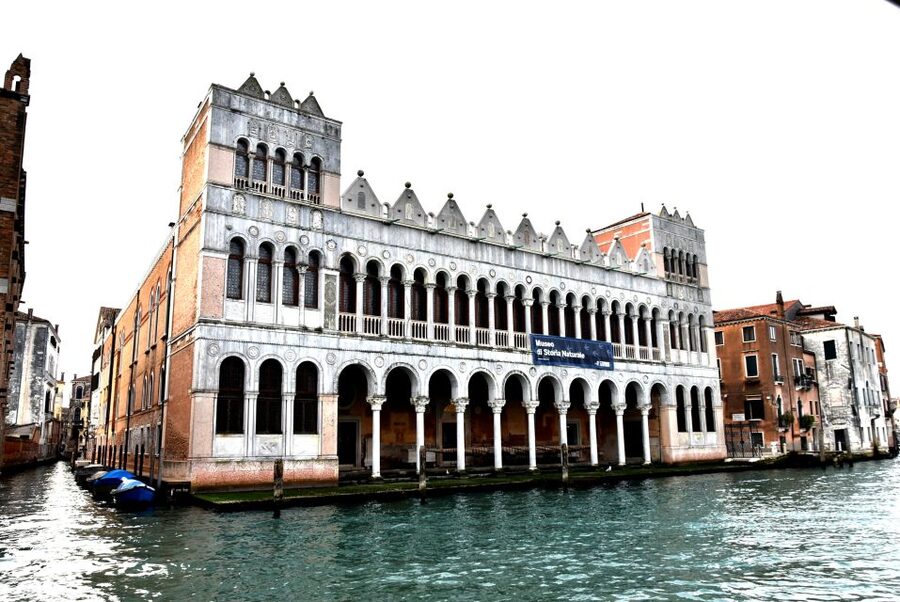
Venice’s Natural History Museum puts a 7-meter dinosaur skeleton and the skull of a giant prehistoric crocodile inside a handsome historic building on the Grand Canal. It is a welcome change from churches and crowded lanes, with enough fossils, animals, plants, and human artifacts to keep both children and curious adults busy.
I like the calm setting, especially the courtyard, garden, terrace, and canal views. I also like the range: the museum moves from modern fossil displays to old-fashioned taxidermy, a cabinet of curiosities, whale conservation, and a library holding more than 40,000 books.
The main drawback is that some information may not be available in English, so a translation app or optional voice guide can help. The taxidermy and trophy room may also unsettle small children. Plan on roughly 40 minutes to several hours, depending on how closely you read and how much your family enjoys the subject.
Key points for planning your visit
- The dinosaur rooms are the main draw: See the enormous Ouranosaurus nigeriensis and prehistoric crocodile remains.
- The museum sits on the Grand Canal: Its building and views are part of the experience.
- About 2 million objects are held here: Exhibits cover fossils, zoology, plants, ethnography, and human evolution.
- It works well on a hot or rainy day: The indoor galleries offer a quiet break from Venice’s crowds and weather.
- The visit is self-guided: No guide or hotel transport is included, and you set your own pace.
- An $11 ticket offers solid value: Children under 5, Venetian citizens and residents, and disabled people enter free.
A Grand Canal entrance with a quieter mood
Finding the museum is easy once you are near the Grand Canal. Go to the main entrance, show your ticket, and begin inside the historic building. You do not need to meet a guide or join a fixed group, which makes this a useful stop to fit around a day of wandering.
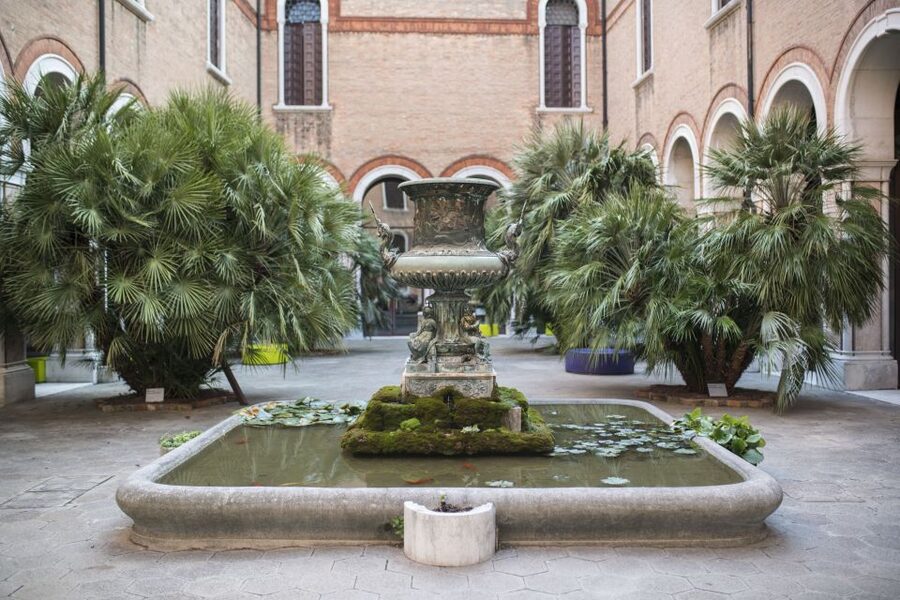
The setting gives the museum an advantage over a standard modern exhibition hall. You are not simply moving between plain white rooms. The building has old-world character, and the interior courtyard, garden, and terrace offer pleasant places to pause.
The canal position also makes the museum easy to pair with other central Venice sights. You can treat it as a planned family stop, or step inside when the weather turns wet or the streets feel packed. Several people find it especially useful as a break from the crowds, and I can see why. Venice can be tiring even when the sights are wonderful.
The museum is closed on Monday. Opening times listed for the activity are 9:00 a.m. to 5:00 p.m., with last admission at 4:00 p.m., through May 31. From June 1, it is open from 10:00 a.m. to 6:00 p.m., with last admission at 5:00 p.m. Check the official Civic Museums of Venice website before setting out, since hours can change.
More museums and galleries in Venice:
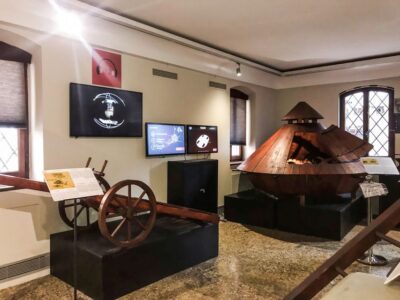
- Venice: Leonardo Da Vinci Museum Entrance Ticket
★ 4.5 · 3,560 reviews - Venice’s Best: Basilica, Doge’s Palace, Gondola & History Gallery
★ 4.5 · 2,478 reviews - Venice: Vivaldi’s Four Seasons Concert & Music Museum Visit
★ 4.8 · 2,065 reviews
Start with the story of life on Earth
Inside, the museum presents the natural world through a large collection of roughly 2 million objects. That number includes zoological specimens, fossils, botanical material, and ethnographic pieces, so the experience is broader than a small dinosaur exhibit.
The displays trace the development of life and the age of the Earth. You might spend time looking at prehistoric remains, then shift to animal specimens or displays connected with people and distant cultures. The range gives the museum an old-fashioned encyclopedic feel, with room after room of things to examine.
The presentation is not uniform. Some sections use newer, more polished displays, especially around paleontology. Other rooms feel more traditional, with taxidermy arranged in the style of an older natural history museum. I find that contrast part of the character, but it is worth knowing in advance if you prefer only sleek, modern exhibitions.
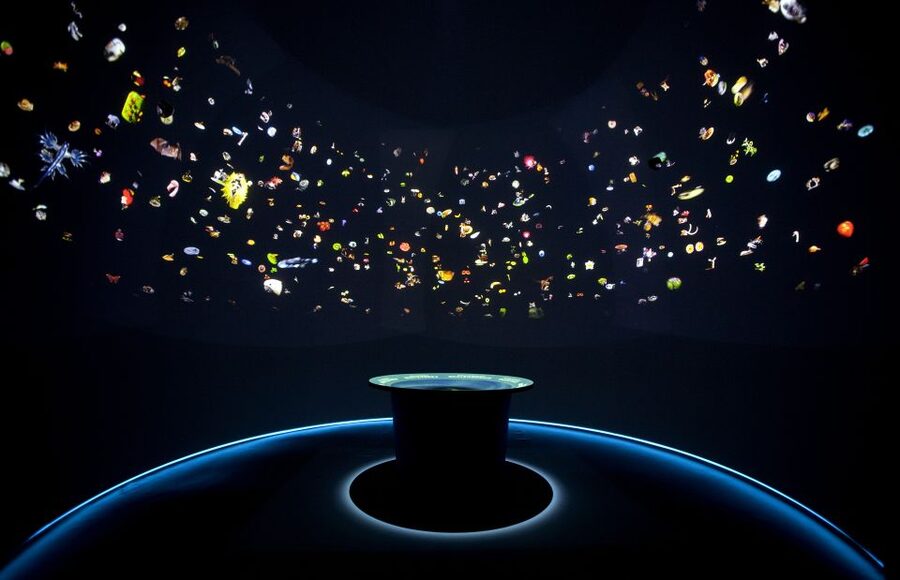
Some objects can be touched, and certain rooms use themed decoration and music to create a stronger atmosphere. This helps younger visitors stay interested, although the presentation may feel less straightforward if you want a simple, chronological museum route.
The dinosaur rooms deserve your best attention
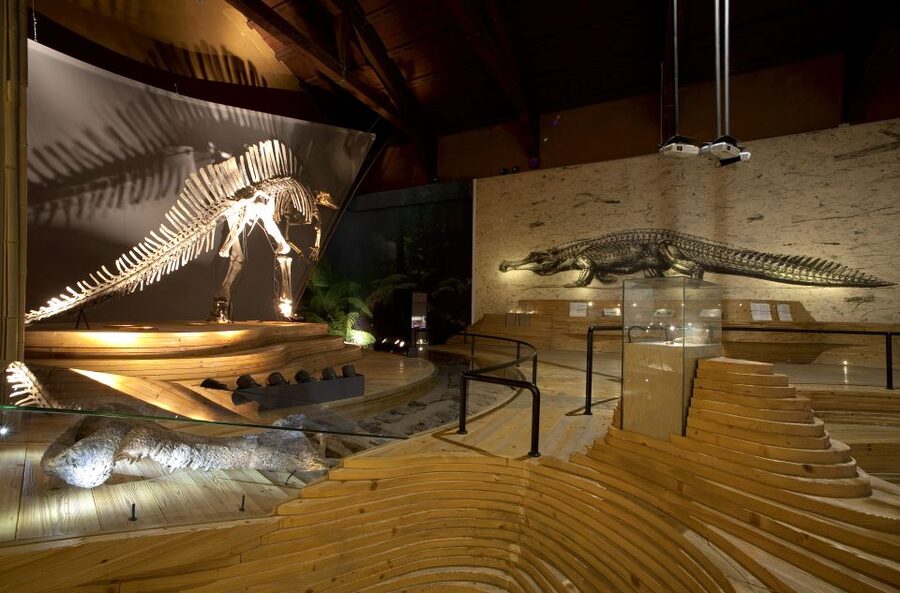
Head upstairs for the museum’s most popular section: the dinosaurs and prehistoric crocodiles. The 7-meter Ouranosaurus nigeriensis is the star. Its size gives children an immediate sense of scale, while adults can appreciate how much more imposing a full skeleton is than a picture in a book.
The skull of Sarchosuchus imperator is another memorable sight. This giant crocodile was discovered in Africa, and its skull makes the ancient animal feel remarkably real. These displays are the reason I would not rush through the museum, even if you have only a short visit planned.
The paleontology section is presented in a more modern way than some of the older natural history rooms. Fossils and ancient life are given space to tell a clear story, rather than being placed as isolated objects with little context. If dinosaurs are your main interest, go upstairs early and allow time for the rest of the museum afterward.
The exact amount of time you need depends on your habits. A quick look at the major pieces may take 40 to 60 minutes. If you read labels, examine the other collections, and stop for the courtyard or library, you can comfortably spend several hours.
Taxidermy, whales, and the older museum style
The animal collections provide a useful contrast to the fossil rooms. You will see traditional taxidermy and displays from the natural world, including a whale skeleton that gives a strong impression of the animal’s huge size.
The whale display also addresses the threats whales face today. It adds a modern environmental concern to an institution focused on the past. I appreciate that shift, because it connects natural history to the living world rather than treating extinct animals as the whole story.
Some taxidermy is likely to appeal to children who enjoy spotting animals. Other pieces may frighten younger children, especially if they are not used to preserved specimens. The trophy room is particularly old-fashioned and may be unpleasant for some people. If your family is sensitive to that material, move through those rooms quickly and spend more time with the fossils, interactive pieces, or courtyard.
This is not a museum where every room will suit every age. Teenagers who enjoy dinosaurs, ancient animals, or science may find plenty to hold their attention. Very young children may focus on the biggest skeletons and touchable exhibits, while adults can take more from the historical displays and scientific collections.
More history tours in Venice:
- Venice: City Center Historical Guided Walking Tour
★ 4.2 · 1,873 reviews - Venice: Bell Tower & St Mark’s Square History Gallery Ticket
★ 4.3 · 910 reviews - Basilica, Doge’s Palace, History Gallery & Bell Tower Option
★ 5.0 · 586 reviews - St. Mark’s Cathedral Priority Guided Tour & History Gallery
★ 3.5 · 148 reviews
A cabinet of curiosities and a serious library
One of the museum’s pleasures is the cabinet of curiosities room. These rooms reflect the older habit of collecting unusual objects from the natural world and beyond. The appeal is less about one famous masterpiece and more about the pleasure of seeing strange, varied objects gathered together.
The library holds more than 40,000 books. You may not spend long there, but it helps explain the museum’s wider role. This is not only a place for a quick family display. It also preserves the records and research connected with natural history.
The building, collections, and atmosphere work together. You can look at a fossil, pass through a traditional room, glance at the canal, and then find a quiet interior space. That change of pace makes the visit feel less tiring than a large museum with one continuous stream of displays.
One practical point: the museum is self-guided. The ticket includes admission only, not a guide. Information in English may be limited in some areas, so bring a translation app if you want to understand every label. An English voice guide is available for an additional charge of about $10, according to the supplied information. It can be worthwhile if you want more explanation than the labels provide.
How much time and money should you allow?
The listed price is $11 per person. For Venice, that is a fair price for an indoor activity that can fill part of a morning or afternoon and works in poor weather. The value is strongest if you enjoy fossils, animals, or museums with a slightly old-school character.
You do not need to commit to a full day inside. The ticket is valid for one day, but many people will find 40 to 60 minutes enough for the headline exhibits. I would allow closer to two hours if you are visiting with older children or adults who enjoy reading and comparing specimens.
The admission price is also more attractive for families because children under 5 enter free. Venetian citizens and residents, along with disabled people, also receive free admission. The ticket does not include hotel pickup, drop-off, or a guide, but those extras are not really needed for a central museum you can reach on foot.
The ticket is non-refundable, so check your day and the opening hours before booking. Also check Venice’s access-fee rules if you are visiting during the specified dates from April 18, 2025, through July 27, 2025. On certain days in that period, visitors to Venice must pay the city’s Access Fee directly unless an exemption applies. The museum ticket does not cover it.
Who will enjoy this museum most?
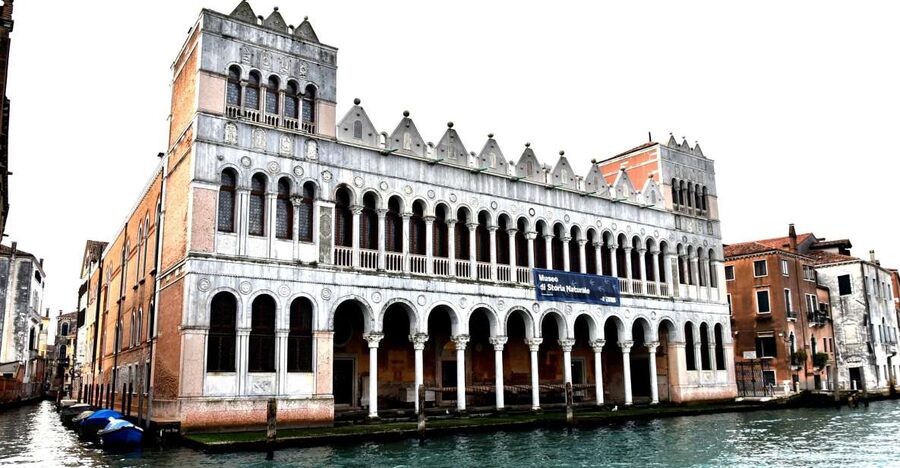
I would recommend the museum most strongly to families with school-age children, dinosaur fans, and anyone who wants a quieter cultural stop away from Venice’s busiest routes. The large skeletons offer an immediate hook, while the wider collections give adults reasons to stay.
It also suits couples or solo visitors who like unusual museums rather than only famous art. The building, canal views, courtyard, and cabinet of curiosities give the visit a sense of place that a standard science center might lack.
It is less suitable if you want a polished, entirely modern museum with English explanations beside every object. Some displays are traditional, and the taxidermy will not appeal to everyone. If you have only a few hours in Venice and want to see the city’s top artistic landmarks, this may not outrank St. Mark’s Basilica or the Doge’s Palace. If you have already seen those sights, or need a break from them, the museum makes good sense.
Small practical details that improve the visit
Bring a phone with a translation app if you do not read Italian. The lack of full English information can limit how much you learn from individual displays, but it does not prevent you from enjoying the large fossils and visual exhibits.
A backpack locker is available, and the museum has toilets and a small shop. The shop is particularly useful if you are visiting with children and want a small science-themed souvenir.
Wear comfortable shoes, as you will be walking through several rooms and may want to combine the museum with a longer day in Venice. The museum is wheelchair accessible, which makes it a practical indoor choice for people who need step-free access.
Do not plan your arrival at the last minute. Last admission is one hour before closing, and the museum is closed Monday. Opening times change seasonally, so verify them before you leave your hotel.
Should you book the Natural History Museum ticket?
Book it if you want an affordable, self-paced museum with dinosaurs, fossils, animal specimens, and a beautiful Grand Canal setting. The Ouranosaurus skeleton, Sarchosuchus skull, whale display, courtyard, and library give the visit more variety than the low ticket price suggests.
Skip it if taxidermy bothers you, if you need every exhibit explained in English, or if your Venice schedule is already packed with major landmarks. For most families, curious adults, and anyone seeking a quiet rainy-day or hot-day activity, I would book it. The ticket is inexpensive, the visit is flexible, and the museum offers a welcome look at Venice beyond paintings and palaces.
FAQ
Where is Venice’s Natural History Museum?
The museum is located on the Grand Canal in Venice. Enter through the main entrance and show your ticket on arrival.
How much does admission cost?
The listed price is $11 per person. Venetian citizens and residents, children under 5, and disabled people receive free admission.
How long is the ticket valid?
The ticket is valid for one day. You can check current availability for starting times.
Is the museum open every day?
No. The museum is closed on Monday. Listed hours are 9:00 a.m. to 5:00 p.m., with last admission at 4:00 p.m., until May 31. From June 1, it is open from 10:00 a.m. to 6:00 p.m., with last admission at 5:00 p.m.
Is the museum wheelchair accessible?
Yes, the activity information states that the museum is wheelchair accessible.
Is a guide included?
No. Admission to the Natural History Museum is included, but a guide and hotel pickup or drop-off are not included.
What can you see inside the museum?
The collections include plants, animals, fossils, zoological specimens, dinosaur remains, ethnographic displays, and about 2 million historical objects. Highlights include the 7-meter Ouranosaurus nigeriensis, the skull of a Sarchosuchus imperator, and a library with more than 40,000 books.
Recently added around Venice
- Your evening in Venice – Legends&Ghosts&Aperitif★ 4.7 · 79 reviews
- Venice: City Tour & Skip the Line for St. Mark’s Basilica★ 4.1 · 84 reviews
- Walking Tour to Uncover the Hidden Venice★ 4.4 · 34 reviews
- Wine Tasting in Venice★ 4.6 · 42 reviews
- Venice: Walking Tour & Gondola Ride★ 4.4 · 22 reviews
- Venice: Watercolor Painting Class at the Prisons Palace★ 4.7 · 27 reviews
- VIRTUAL MUSEUM: Creature di Gomma – Venice Vintage Toys★ 4.7 · 3 reviews
- Venice Walking Tour from St. Mark’s to Rialto Bridge★ 4.5 · 12 reviews
Museums, compared.
Venice’s Best: Basilica, Doge’s Palace, Gondola & History Gallery
Read our review →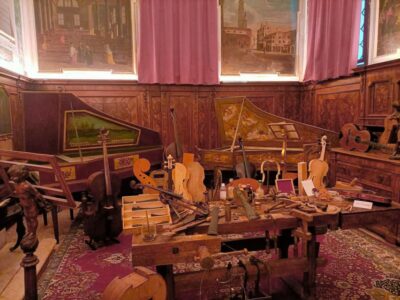
Vivaldi’s Four Seasons Concert & Music Museum Visit
Read our review →
Charming Gondola Ride on the Grand Canal & Gondola Gallery™
Read our review →
Bell Tower & St Mark’s Square History Gallery Ticket
Read our review →
Venice Museum Pass & Doge’s Palace Entrance Ticket
Read our review →
Basilica, Doge’s Palace, History Gallery & Bell Tower Option
Read our review →
Browse the lists this tour appears in