Reviewed · TICKETS
Venice: Tickets to Negozio Olivetti
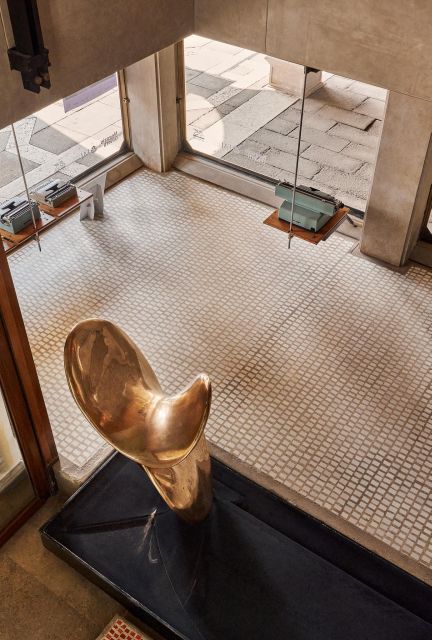
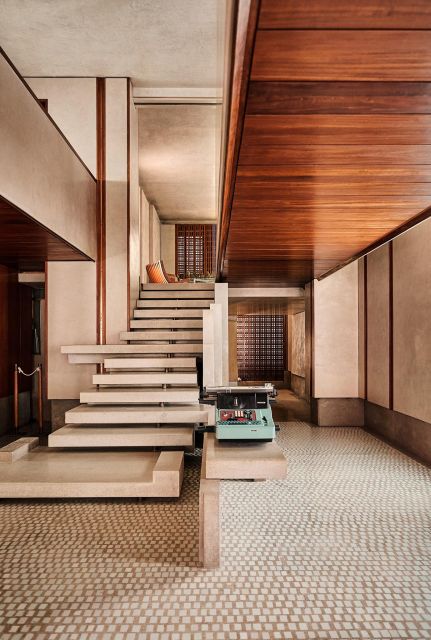
The real attraction here is not a grand room full of typewriters. It is Carlo Scarpa’s carefully rebuilt interior, a compact work of modern architecture tucked beneath the Procuratie Vecchie in St. Mark’s Square. Scarpa turned a small commercial unit into a refined display space where light, stone, wood, and machines work together.
I like the chance to see an original 1957 to 1958 Olivetti showroom in its historic setting, and I like how the visit gives you time to study details that are easy to miss in Venice’s larger monuments. The price is also modest at $11. The main drawback is size: the room is small, and an additional group can make it feel crowded even when entry numbers are meant to be limited.
Key points to know before entering
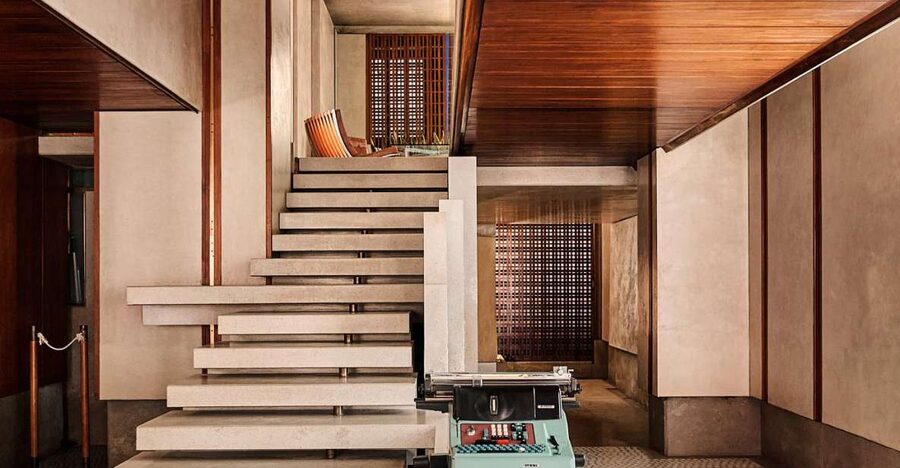
- Carlo Scarpa designed the showroom: You’ll see a precise blend of modern forms and traditional Venetian surroundings.
- The original 1957 to 1958 arrangement remains: The restored interior presents the showroom as a place to display Olivetti typewriters and calculators.
- Aurisina marble and ebony set the tone: The materials are part of the attraction, not just a backdrop for the machines.
- The visit is self-guided: An audio guide is available in Italian and English, accessed through a QR code.
- The room is compact: A small group limit of 10 is listed, but another group may occasionally enter and make the space crowded.
- The ticket costs $11: That is fair value if you care about architecture, design, or Olivetti’s place in Italian industrial culture.
Why this small Olivetti showroom matters
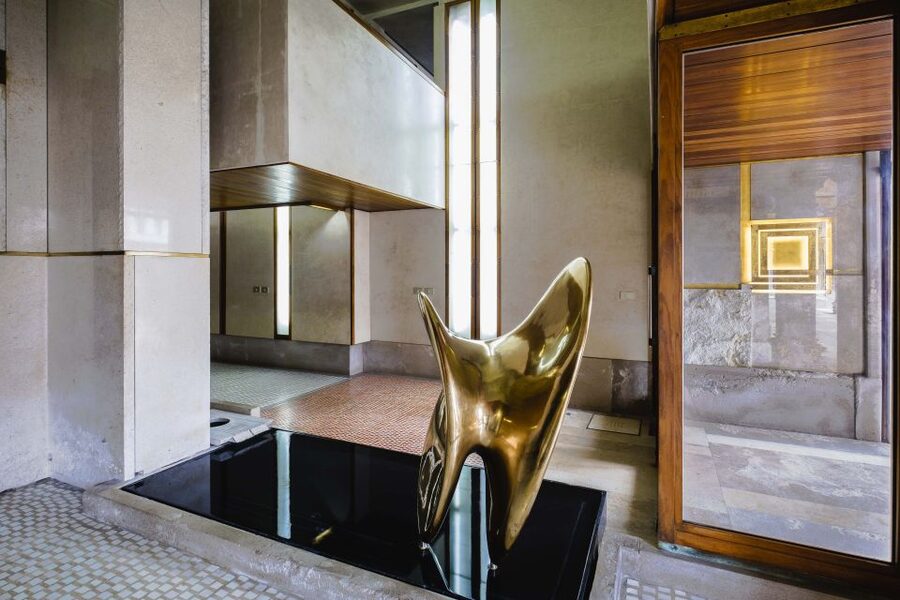
Venice is filled with churches, palaces, and grand civic buildings. Negozio Olivetti offers something different: a modern commercial interior placed directly in the city’s most famous square.
The showroom was commissioned by Adriano Olivetti, whose company was known for more than office machines. Olivetti built a public image around design, culture, and forward-looking ideas. The company’s typewriters and calculators were useful objects, but they were also designed objects. Their showroom needed to express that identity.
The location was a challenge. The shop sat under the Procuratie Vecchie, facing the intense visual pressure of St. Mark’s Square. Scarpa had to create something new without fighting the older architecture around it. His answer was not a loud modern statement. Instead, he reorganized the small interior so that the structure, materials, light, and objects could speak together.
That makes the visit valuable even if you are not interested in office equipment. You are looking at a meeting between postwar Italian design and Venice’s older architectural fabric. The room shows how a modern idea can fit into a historic city without simply copying the past.
A few more Venice outings worth comparing
- Venice: Doge’s Palace Reserved Entry Ticket
★ 4.6 · 42,716 reviews - Venice: La Fenice Opera House Entry Ticket with Audio Guide
★ 4.6 · 11,742 reviews - Venice: Leonardo Da Vinci Museum Entrance Ticket
★ 4.5 · 3,560 reviews
Finding it beneath the Procuratie Vecchie
You enter from the colonnaded Procuratie Vecchie, the long building that frames one side of St. Mark’s Square. The storefront is easy to pass if you are focused on the square’s larger attractions, which is part of its appeal. You are not leaving the main sightseeing route for a remote neighborhood. The showroom is right in the center of Venice, but it rewards a slower look.
Once inside, expect a compact space rather than a long museum route. The visit is best understood as a close study of one interior. You move through the showroom at your own pace, listening to the audio guide or reading the available material in Italian or English.
Because the room is small, you do not need hours here. The one-day ticket gives you flexibility around your schedule, but the experience itself is a short architectural stop rather than a full-day attraction. I would place it alongside St. Mark’s Basilica, the Doge’s Palace, or other nearby sights rather than treat it as the main event of your Venice day.
The central practical point is timing. The stated group size is limited to 10 participants, which should help you see the details without too much pushing or noise. At times, though, another larger group may enter. One visitor described a group of more than 20 people filling the already tight room for the full visit. If the interior feels crowded when you arrive, waiting for a calmer moment may improve the experience, if the admission arrangements allow it.
Scarpa’s design, room by room
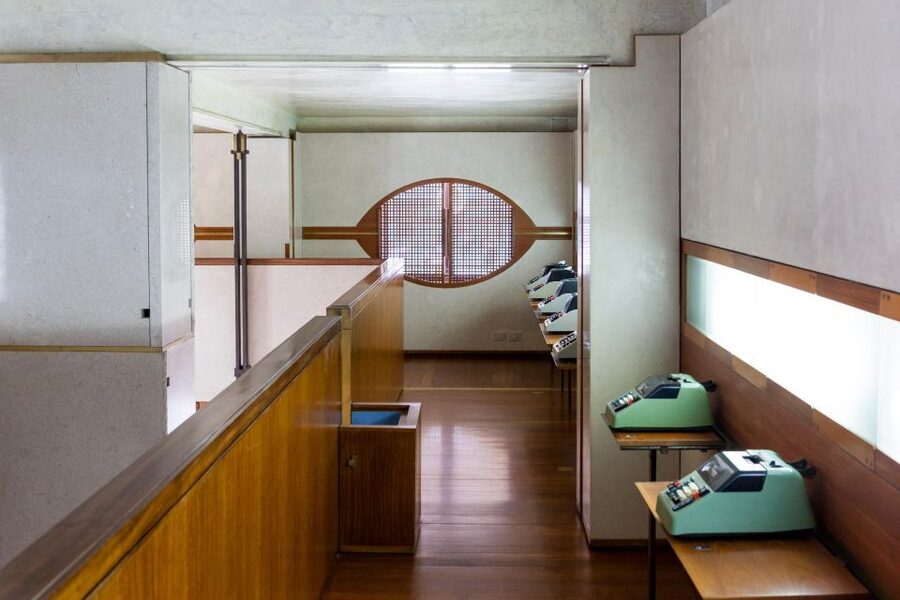
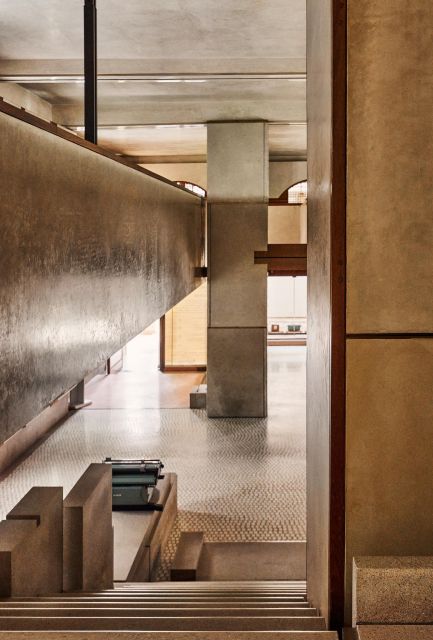
The showroom’s power comes from its proportions and surfaces. Scarpa did not simply decorate the existing shop. He reorganized its volumes and rebuilt the relationship between the floor, walls, display areas, and light.
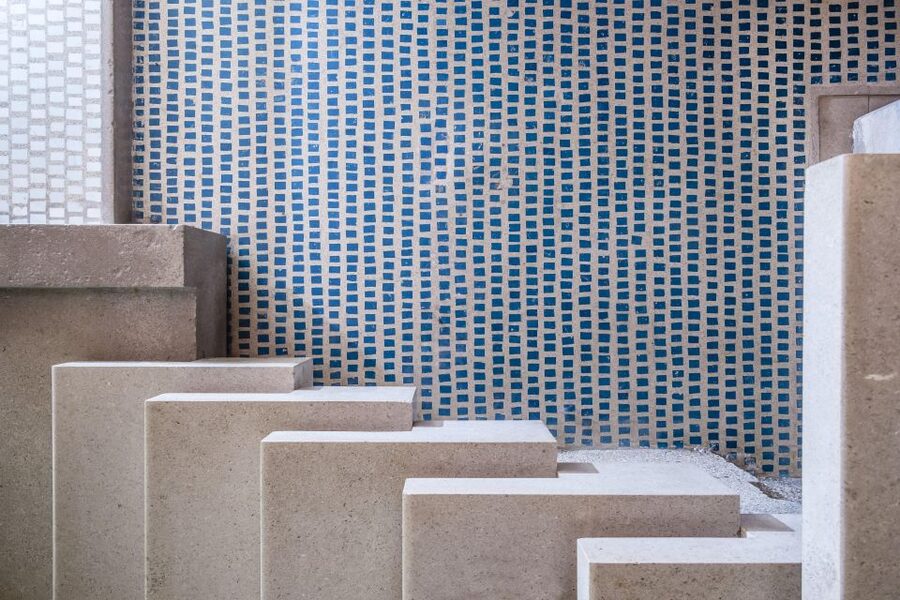
Look closely at how the materials guide your attention. Aurisina marble gives the room a cool, polished character. Ebony adds darker notes and a sense of weight. These materials are luxurious, but they do not feel separate from the machines. The surfaces frame the products and help turn ordinary office equipment into objects worthy of careful attention.
Light is another key part of the design. Scarpa used it to shape the room and draw attention to the display areas. You may find that the interior changes as you move through it, with surfaces catching light at different angles. This is why a quick glance at the entrance does not tell you much. Give yourself time to look down, across, and along the edges of the fittings.
The details are small but deliberate. Scarpa’s work often rewards close observation, and this showroom is no exception. You can study the way the materials meet, how the display surfaces are arranged, and how the modern interior responds to the historic colonnade outside.
The architecture is not merely a container for Olivetti products. The room is part of the product presentation. Scarpa created a setting where the typewriters and calculators appear connected to a wider idea of order, precision, and modern life.
Seeing the original Olivetti display
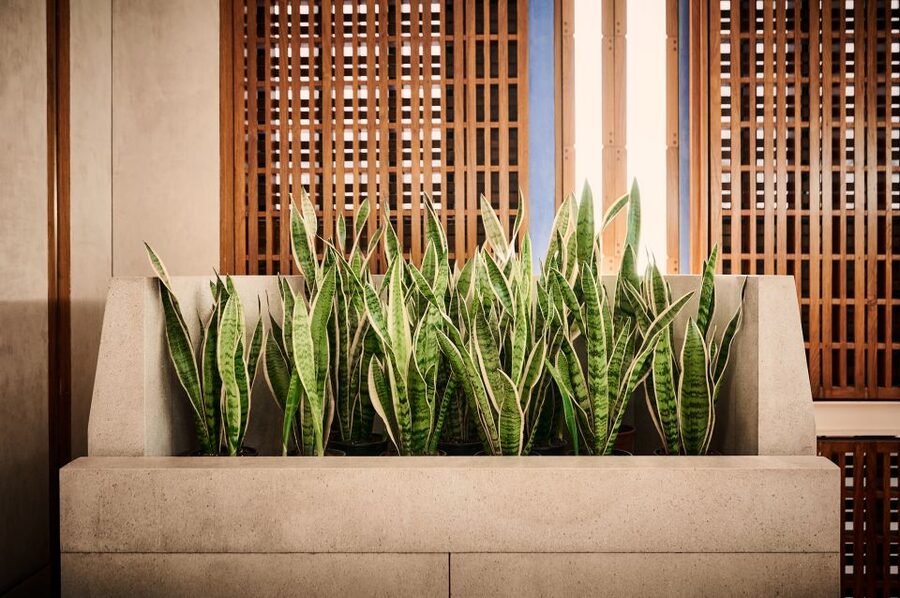
The interior presents the historic Olivetti showroom arrangement from 1957 to 1958. That detail matters because you are not looking at a newly designed exhibit that only imitates the period. The space was carefully restored in 2010 and reopened to the public in 2011.
The Olivetti machines help explain the room’s purpose. Typewriters and calculators are functional objects, yet the company treated their shape and presentation seriously. In the showroom, they become part of an architectural composition.
You may not find this visit satisfying if you want a large collection with long labels and many objects. There is no need to expect a traditional technology museum. The room is the main exhibit, while the machines and display elements help you understand how Olivetti presented its brand.
I would pay attention to the relationship between the objects and the surrounding materials. The dark ebony, pale marble, and carefully organized displays make the showroom feel more like a design gallery than a normal shop. That contrast is the point. Olivetti wanted a commercial space that could carry cultural values, and Scarpa gave the company a setting suited to that goal.
A different way to spend a morning on the water:
- Venice: Grand Canal Gondola Ride with App Commentary
★ 4.1 · 18,908 reviews - Boat Trip: Glimpse of Murano, Torcello & Burano Islands
★ 4.3 · 15,699 reviews - Venice: Grand Canal by Gondola with Live Commentary
★ 4.1 · 13,681 reviews - Doge’s Palace & St. Mark’s Basilica with Terrace Access Tour
★ 4.7 · 10,697 reviews
Restoration and conservation in a fragile city
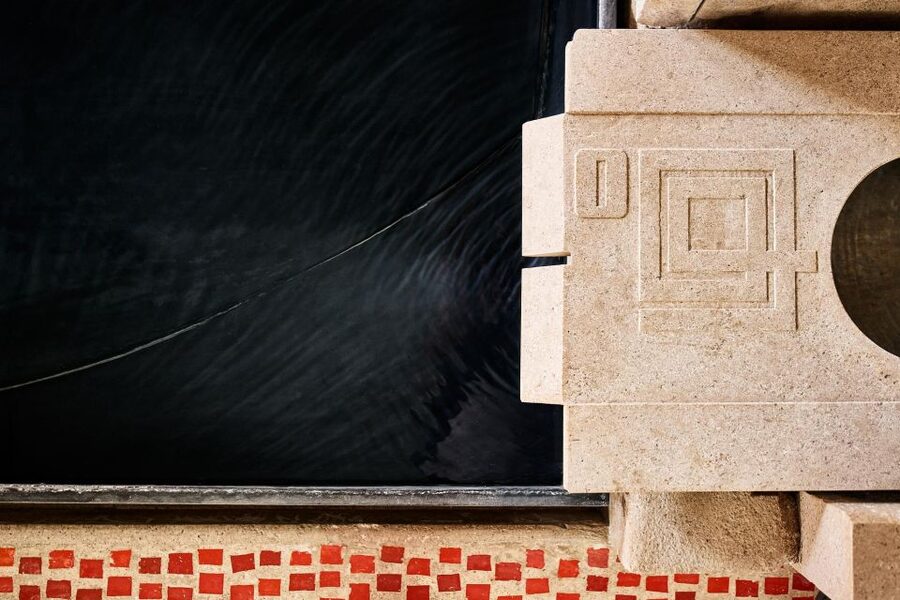
The restoration is especially meaningful in Venice. The showroom occupies a historic building in a city exposed to humidity, flooding, heavy foot traffic, and constant pressure from tourism. Preserving a small interior with fine materials requires care.
The space was restored in 2010, and the public could visit again from 2011. The conservation allows you to see Scarpa’s design in a form that respects the original 1950s arrangement. You are not seeing a rough shell or a reconstruction stripped of its material character.
The rules are simple but important. Food and drinks are not allowed, smoking indoors is prohibited, flash photography is not permitted, and you must not touch the exhibits. These restrictions make sense in a small room with delicate surfaces and historic objects.
A visit may also coincide with a temporary exhibition. If so, the number and arrangement of objects can change slightly. The core architectural experience remains the reason to come, but the room may not look exactly the same on every visit.
Using the audio guide without a live guide
This is a self-guided experience. The included audio guide is available in Italian and English, and the information is accessed through a QR code. You should expect to use your own phone or device to follow the material, although the supplied details do not specify equipment beyond the QR code system.
That format works well for this kind of place. You can spend more time on the parts that interest you, pause to inspect a surface, or move ahead when you have understood the main point. You are not tied to a guide’s pace or to a fixed spoken presentation.
The tradeoff is that you do not have a person in the room to answer questions or explain a detail on the spot. If you want a guided conversation about Scarpa’s methods or Olivetti’s business, this ticket will feel limited. If you prefer quiet, independent sightseeing, the audio guide is enough to give the visit context.
The information is offered in Italian and English. Check the official Negozio Olivetti website before you go if you want current details about access, exhibitions, or the audio material.
How much value do you get for $11?
At $11 per person, this is one of the easier cultural additions to justify in Venice. You are paying for entry to a preserved work of architecture in one of the city’s most important public spaces, with an audio guide included.
The value depends on your interests. If you enjoy modern architecture, Italian design, interiors, or the history of commercial presentation, the price is strong. You get a focused experience that would be difficult to replicate by simply walking around St. Mark’s Square.
If your priority is a long visit with many rooms, extensive collections, or a live guide, the cost may feel less satisfying. The showroom is compact, and the visit will not fill half a day. Think of it as a concentrated architectural stop, not a major museum admission.
I also like that the ticket has a one-day validity and offers cancellation up to 24 hours before the visit for a full refund. You can reserve now and pay later, which helps if you are building a Venice schedule around weather, timed monuments, and changing plans.
Who should make time for Negozio Olivetti?
I would recommend this experience to you if you enjoy noticing how a room is made. You do not need formal training in architecture. A willingness to look closely at materials, light, and proportions is enough.
It is particularly well suited to:
- Design and architecture enthusiasts
- Visitors interested in Carlo Scarpa
- People curious about Italian industrial design
- Anyone who wants a quieter counterpoint to Venice’s grand monuments
- Repeat visitors who have already seen the main sights around St. Mark’s Square
- Museumgoers who prefer a short, focused visit rather than a large collection
Families may also appreciate the short length, though younger children may have little interest in the architectural details. The rules against touching, food, drinks, and flash photography require a calm visit.
You should think twice if you dislike small interiors or crowded sightseeing stops. Even with a limited group size, the room can become uncomfortable if another large group enters. The attraction’s strength is also its limitation: it is intimate because it is small.
A practical way to fit it into your Venice day
I would schedule Negozio Olivetti when you are already near St. Mark’s Square. That saves you a separate journey and lets you combine the visit with the square’s other major sights.
Give yourself enough time to arrive without rushing. You will want a few minutes to understand the room rather than simply scan it and leave. Since the experience is self-guided, you can keep the visit brief if your schedule is tight or linger over the materials and display arrangement.
The best approach is to treat the showroom as a pause between larger attractions. After the scale and decoration of Venice’s churches and palaces, this compact modern interior gives your eyes something else to study. It also reminds you that Venice has not only preserved older architecture. The city has made room for careful modern work, too.
Keep your belongings and phone use under control inside. You cannot bring food or drinks into the space, smoking is not allowed, and flash photography is forbidden. You may take in the details better if you spend less time trying to photograph every surface.
Should you book the Olivetti showroom?
Book it if you want to see a small but important work by Carlo Scarpa and appreciate how modern design can live inside historic Venice. The $11 price is reasonable, the English audio guide makes the visit accessible, and the restored 1957 to 1958 interior offers details you will not find in the city’s larger monuments.
Skip it if you want a big collection, a live guide, or a long attraction. Also consider waiting for a quieter entry if the showroom is packed. For the right visitor, this is a sharp, focused stop with real design value. For everyone else, it may feel like a very expensive few minutes in a very small room.
FAQ
Where is Negozio Olivetti located?
Negozio Olivetti is located beneath the Procuratie Vecchie in St. Mark’s Square in Venice, in the Veneto region of Italy.
What is the main attraction inside?
The main attraction is Carlo Scarpa’s contemporary interior design for the original Olivetti showroom, including its architectural details, materials, light, and display arrangement.
What years does the showroom design date from?
The historic Olivetti showroom arrangement dates from 1957 to 1958.
Is the original interior still present?
The interior presents the original historic showroom arrangement. It was carefully restored in 2010 and reopened to the public in 2011.
Is an audio guide included?
Yes. An audio guide is included and is available in Italian and English. The audio guide can be accessed through a QR code.
How much does admission cost?
The listed price is $11 per person.
How large is the group?
The experience is listed as a small group with a limit of 10 participants. An additional group may occasionally enter, so the compact room can sometimes feel crowded.
What can you not do inside?
Food and drinks are not allowed. Smoking indoors, flash photography, and touching the exhibits are also prohibited.
Recently added around Venice
- Your evening in Venice – Legends&Ghosts&Aperitif★ 4.7 · 79 reviews
- Wine Tasting in Venice★ 4.6 · 42 reviews
- Venice: City Tour & Skip the Line for St. Mark’s Basilica★ 4.1 · 84 reviews
- Walking Tour to Uncover the Hidden Venice★ 4.4 · 34 reviews
- Venice: Walking Tour & Gondola Ride★ 4.4 · 22 reviews
- Venice: Watercolor Painting Class at the Prisons Palace★ 4.7 · 27 reviews
- VIRTUAL MUSEUM: Creature di Gomma – Venice Vintage Toys★ 4.7 · 3 reviews
- Venice Walking Tour from St. Mark’s to Rialto Bridge★ 4.5 · 12 reviews
Tickets, compared.
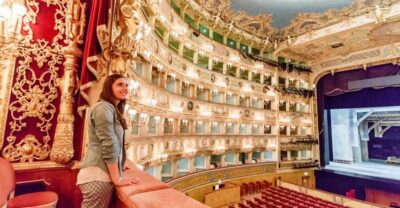
La Fenice Opera House Entry Ticket with Audio Guide
Read our review →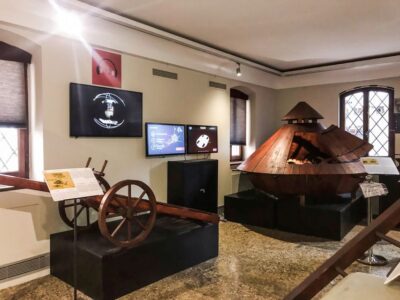
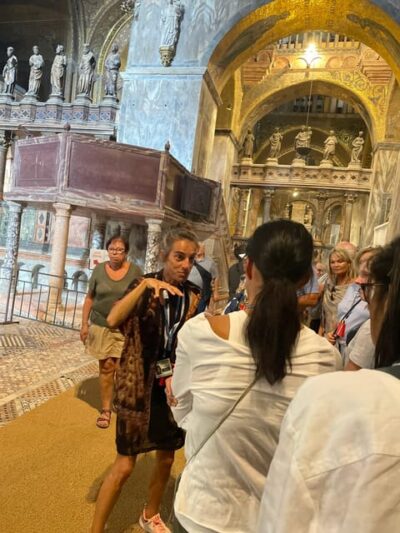
St. Mark’s Basilica & Doge’s Palace Tour with Ticket
Read our review →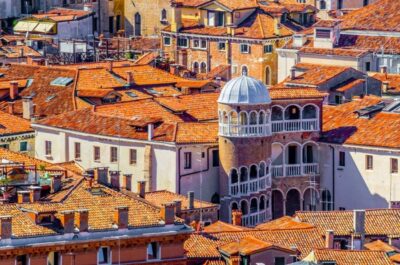
Doge’s Palace & St. Mark’s Basilica Tickets + Tour Options
Read our review →