
Reviewed · MUSEUMS
Venice Mestre: M9 Museum Permanent Exhibition Entry Ticket
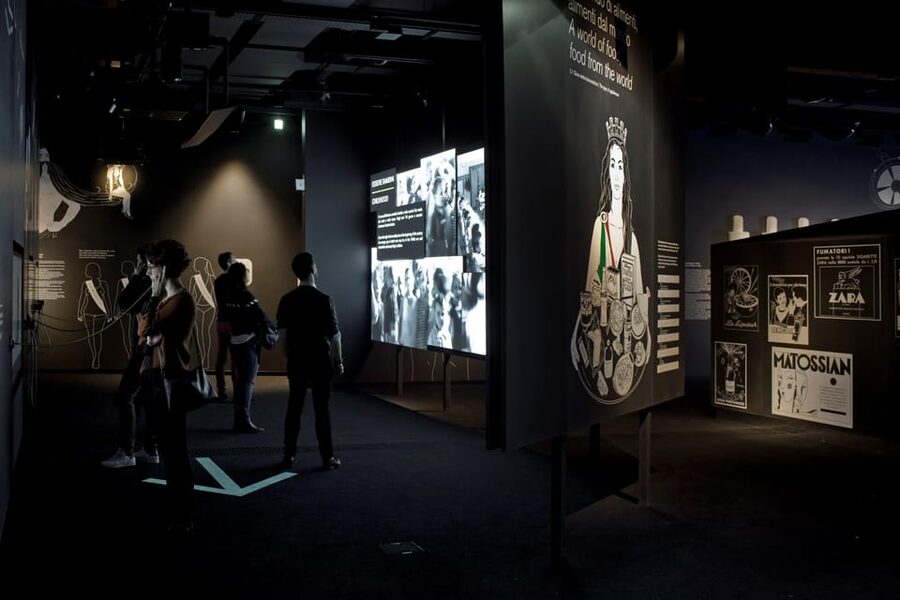
The most interesting thing about M9 is that it treats the 20th century as a story you can follow through images, sound, film, and objects, rather than as a quiet march past glass cases. You move through Italy’s social, political, cultural, economic, and environmental changes using modern displays that ask you to take part.
I like the clear focus on Italy and the way the collection connects big events with ordinary life. I also like the freedom of a one-day ticket: you can spend an hour here or take your time across the first and second floors. The main consideration is that the $14 ticket covers only the permanent exhibition. Temporary shows on the third floor, guided tours, and special events are separate.
Key points to know before you go
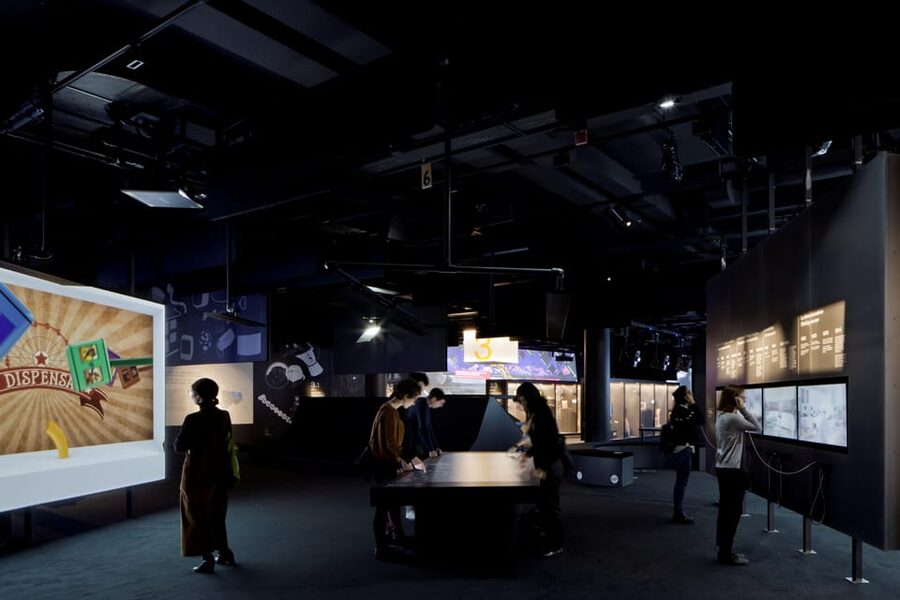
- Eight permanent sections: Follow Italy’s 20th century through social, political, cultural, economic, and environmental themes.
- Multimedia storytelling: Expect photographs, videos, audio installations, and interactive technology rather than a standard object-by-object museum visit.
- Two floors included: Your entry ticket covers the permanent collection on the first and second floors.
- Temporary exhibitions cost extra: The third-floor shows and newer exhibition spaces are not part of this ticket.
- Mestre location: This is in Venice Mestre, making it a useful cultural stop away from the historic island center.
- Plan around the closure days: M9 is closed Mondays and Tuesdays, and backpacks are not allowed inside.
Why M9 offers a different view of Italy
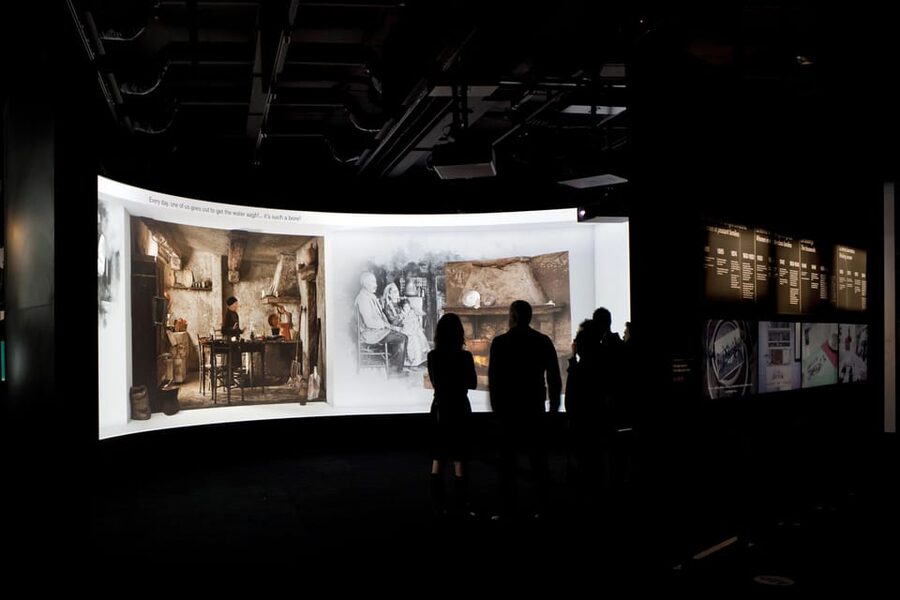
M9, or Museo del ’900, is built around a simple but worthwhile idea: to explain how Italy changed during the 20th century. That means you are not looking at one narrow subject, such as art, war, or architecture. Instead, the museum brings together the forces that shaped daily life.
You will encounter themes tied to population changes, politics, industry, culture, the environment, and Italy’s changing towns and countryside. The museum also asks you to consider the costs and gains of progress, including the ambitions, threats, challenges, and opportunities that marked the century.
That broad scope gives the visit its value. If you already know Italy mainly through Roman ruins, Renaissance paintings, or Venetian palaces, M9 offers a useful correction. It shows the country as a modern place shaped by factories, mass communication, migration, changing families, new technology, political conflict, and shifts in how people live.
I find this especially useful before or after a longer Italy trip. The museum gives context to things you may notice elsewhere, from industrial growth to the changing role of cities. It is not simply a collection of old things. It is an attempt to explain how modern Italy came to be.
More museums and galleries in Venice:
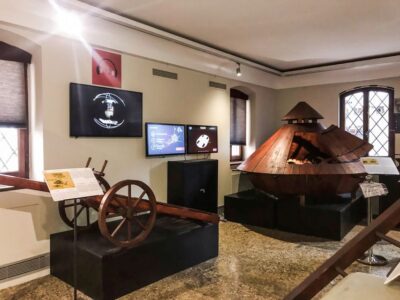
- Venice: Leonardo Da Vinci Museum Entrance Ticket
★ 4.5 · 3,560 reviews - Venice’s Best: Basilica, Doge’s Palace, Gondola & History Gallery
★ 4.5 · 2,478 reviews - Venice: Vivaldi’s Four Seasons Concert & Music Museum Visit
★ 4.8 · 2,065 reviews
Entering through the revolving door
The meeting point is the revolving door entrance. That detail matters because the museum is in Mestre, not in the historic heart of Venice, and you should make sure you are heading to M9 itself rather than expecting a palace or church setting.
The visit is self-guided. No guide is included, so you control the pace and the order in which you examine the displays. That works well for independent visitors who prefer to stop when something catches their attention instead of staying with a group.
Backpacks are not allowed. Pack light, or be prepared to make arrangements before entering. The museum is wheelchair accessible, which makes the building suitable for visitors who need step-free access, although the information provided does not specify every detail of the route or facilities.
M9 is closed on Mondays and Tuesdays. Check the available opening time when booking, since the ticket is valid for one day rather than tied to a stated visit length.
The first floor: beginning your 20th-century Italy visit
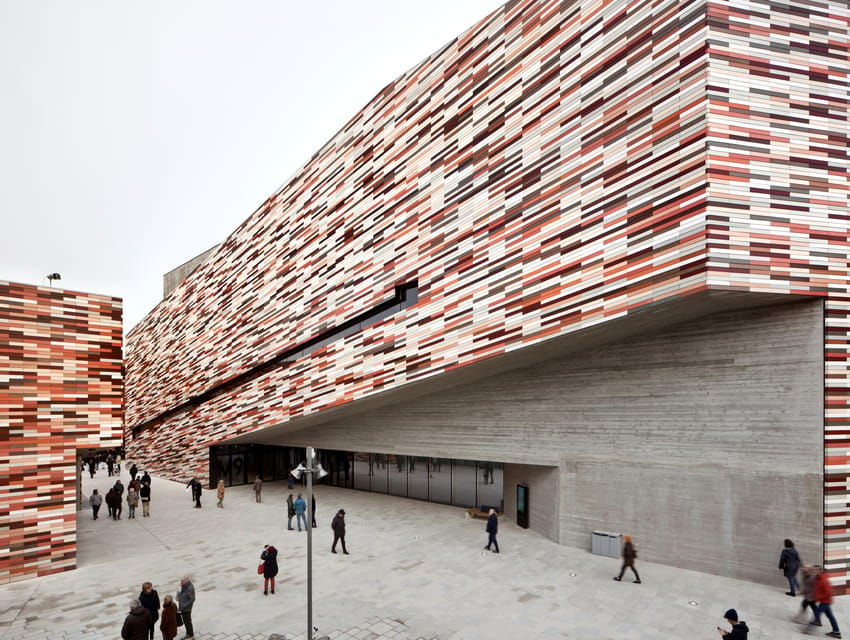
The permanent collection occupies the first and second floors. The information provided does not assign a fixed sequence or give a room-by-room route, so you should think of the museum as a set of connected themes rather than a strict guided itinerary.
On the first floor, you can begin building the broad story of Italy’s modern era. The displays address the material side of change, meaning the things people made, used, watched, heard, and lived with. Photographs and film help place those changes in a visual setting, while audio installations add another layer to the story.
This approach suits visitors who learn best through more than printed labels. A picture of a changing city, a recorded sound, or a period film can tell you something different from a paragraph of text. The technology is not just decoration. It helps show how ordinary experience changed over decades.
You may find yourself moving between public events and private life. The museum’s subject is the 20th century in Italy, but its real question is how that century affected people. That makes the collection approachable for adults and older children who may not have much background in Italian history.
The drawback is that an interactive format can require more attention than a conventional museum. You may need to listen, watch, read, and decide where to pause. If you prefer a quick collection of famous objects, M9 may feel less direct. If you enjoy making connections, the extra effort pays off.
The second floor: eight themes and a changing society
The permanent collection is divided into eight thematic sections. Together, they cover the major changes that shaped Italy during the century.
You can expect attention to demographic and social developments, political events, cultural life, economic change, environmental concerns, and changes to towns and countryside. The museum also looks at both achievements and problems, so the story is not presented as a simple march from hardship to progress.
That balance is important. The 20th century brought new opportunities and major improvements, but it also created threats and uneven results. A museum that covers only inventions and economic growth would miss too much. M9 tries to show the gains alongside the tensions.
The collection’s strongest feature is likely its material history. Instead of treating history as a list of dates, it shows how the century left traces in objects, pictures, recordings, media, and built surroundings. This can make abstract subjects easier to understand.
For you, the eight-section layout provides a practical way to divide the visit. You do not need to absorb everything at once. Spend longer with subjects that interest you, then move on when the material becomes less relevant. The one-day validity gives you room to set your own pace, though the ticket does not promise reentry or specify an exact visit duration, so check the conditions at booking.
A few more Venice outings worth comparing
- Venice: Doge’s Palace Reserved Entry Ticket
★ 4.6 · 42,716 reviews - Venice: La Fenice Opera House Entry Ticket with Audio Guide
★ 4.6 · 11,742 reviews - Venice: St. Mark’s Basilica & Doge’s Palace Tour with Ticket
★ 4.7 · 3,375 reviews - Venice: Palazzo Contarini del Bovolo Entrance Ticket
★ 4.3 · 1,991 reviews
How the technology shapes the visit
M9 uses an extensive mix of videos, audio installations, images, and interactive displays. This is the heart of the experience and the clearest reason to choose M9 over a more traditional historical museum.
The technology can make the century feel closer. Film and sound suggest how public life looked and sounded. Images show changing people, places, and habits. Interactive features encourage you to investigate rather than simply walk past.
I like this format for visitors who want a museum to explain connections. You are not only asking what happened. You are also considering how politics affected society, how economic change altered daily life, and how cultural shifts affected the way Italians saw themselves.
The format also makes the museum a reasonable choice for families, although no specific children’s route is included with this ticket. Young visitors may respond better to moving images and interactive features than to long written panels. Adults should still plan to guide the pace, since the collection covers a large subject and not every display will appeal equally to every age.
Keep in mind that technology can age, and interactive museums sometimes depend on your willingness to use the displays. I would not choose M9 expecting a quiet, minimalist gallery. Choose it for a more active, media-led account of Italy.
The third floor and temporary exhibitions
The permanent-entry ticket does not include temporary exhibitions. Those shows are located on the third floor, along with additional museum spaces that have been used since 2021.
This distinction is important when comparing ticket prices. At $14 per person, the ticket gives you access to the core museum across the first and second floors. It does not provide a full-access pass to everything happening at M9.
Temporary exhibitions can change the character of a museum visit. One recent booking account singled out an exhibition featuring The Excursionist by Renoir and Monet and described the exhibition as the highlight. That gives you a sense of the kind of art-related material that may appear, but you should not assume those works will be included during your visit or covered by the permanent ticket.
If a temporary show is your main reason for visiting, check the current program and buy the appropriate admission. If your goal is to understand Italy’s 20th century through the permanent collection, the standard entry should be enough.
The museum also runs a calendar of public events and educational activities. These may serve schools, local residents, and vulnerable groups, and they support M9’s role as an open house for the local area and for Italy more broadly. Events are not included in the basic admission unless stated separately.
Is $14 good value?
At $14, the permanent exhibition is reasonably priced for a museum visit that can occupy part or all of a day. The value depends on how much time you give it.
If you rush through the displays, the price may feel less attractive. M9 is not built around one famous object that you can see in ten minutes. Its value comes from the range of material and the connections between the eight themes.
I see the ticket as good value for three types of visitors:
- You want a serious look at modern Italian history.
- You enjoy multimedia museums and self-guided visits.
- You need an indoor cultural stop in Mestre with wheelchair access.
The price is less compelling if you only want a temporary art exhibition, since that costs extra. It may also be a poor fit if your Venice plans are already packed with historic buildings on the island and you have no interest in 20th-century Italy.
The reserve-now-and-pay-later option gives you some flexibility, and cancellation is available up to 24 hours in advance for a full refund. Those terms are useful when your Venice schedule depends on trains, weather, or changing plans.
Who should visit M9 in Mestre?
M9 suits visitors who want to understand Italy beyond the usual art and architecture highlights. It is particularly useful for anyone curious about how social and political change affected ordinary life.
I would recommend it to:
- First-time visitors who want modern Italian context.
- Repeat visitors looking for something different from central Venice.
- Families who prefer visual and interactive displays.
- Students and history-minded visitors.
- Anyone interested in culture, technology, economic change, or environmental issues.
- Visitors who want a self-guided museum rather than a fixed tour.
It may not suit you if you are looking for a guided explanation, since no guided tour is included. It is also not the right ticket if the temporary exhibition is your priority.
The broad subject can feel demanding. You will get more from the visit if you allow time to stop, listen, read, and compare the displays rather than treating M9 as a quick photo stop.
Practical planning for your visit
Choose a day from Wednesday through Sunday, since the museum is closed Mondays and Tuesdays. Before leaving, check your booking details for the available starting time and any current exhibition information.
Do not bring a backpack. A small, light bag is the safer choice, but the stated rule is clear: backpacks are not allowed.
Use the revolving door as your entry landmark. The ticket is valid for one day, and the permanent collection is on the first and second floors. Temporary exhibitions are on the third floor and require separate admission.
Because no guide is included, consider reading the main themes before arrival if you want more historical context. You do not need specialist knowledge, but a little preparation can help you see how the eight sections connect.
The museum is wheelchair accessible. If you need details about a particular route or facility, confirm them directly before your visit, since the available information does not list every accessibility feature.
Should you book M9 Museum?
Book this experience if you want a thoughtful, modern account of Italy’s 20th century and enjoy museums that use sound, film, images, and interactive technology. The $14 ticket is a fair buy when you have time for both permanent floors and want more than a quick look at famous art.
Skip it if your schedule is focused only on Venice’s historic island, or if you mainly want the temporary exhibition on the third floor. In that case, confirm the separate admission before booking.
For most independent visitors with an interest in contemporary Italy, M9 is a worthwhile change of pace. It gives you a clearer sense of the forces that shaped the country you are seeing today, without requiring a guided group or a full-day commitment.
FAQ
Where is the M9 Museum located?
The museum is in Venice Mestre, in the Veneto region of Italy. Use the revolving door entrance as the meeting point.
What does the $14 ticket include?
The ticket includes entry to the permanent exhibition at M9 Museum.
Which floors contain the permanent collection?
The permanent collection is located on the first and second floors.
Are temporary exhibitions included?
No. Temporary exhibitions on the third floor and in the newer museum spaces require separate admission.
Is a guided tour included?
No. A guided tour is not included with the permanent exhibition entry ticket.
How long is the ticket valid?
The ticket is valid for one day. Check availability for the starting times offered when you book.
Is the museum open every day?
No. M9 Museum is closed on Mondays and Tuesdays.
Are backpacks allowed?
No. Backpacks are not allowed inside the museum.
Is M9 Museum wheelchair accessible?
Yes. The museum is wheelchair accessible.
Can I cancel for a refund?
Yes. You can cancel up to 24 hours in advance for a full refund.
Recently added around Venice
- Your evening in Venice – Legends&Ghosts&Aperitif★ 4.7 · 79 reviews
- Venice: City Tour & Skip the Line for St. Mark’s Basilica★ 4.1 · 84 reviews
- Walking Tour to Uncover the Hidden Venice★ 4.4 · 34 reviews
- Wine Tasting in Venice★ 4.6 · 42 reviews
- Venice: Walking Tour & Gondola Ride★ 4.4 · 22 reviews
- Venice: Watercolor Painting Class at the Prisons Palace★ 4.7 · 27 reviews
- VIRTUAL MUSEUM: Creature di Gomma – Venice Vintage Toys★ 4.7 · 3 reviews
- Venice Walking Tour from St. Mark’s to Rialto Bridge★ 4.5 · 12 reviews
Museums, compared.
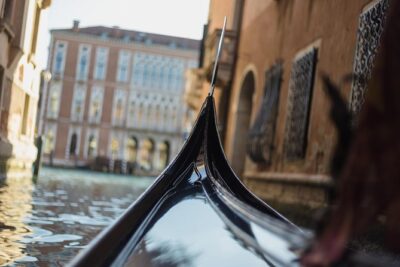
Venice’s Best: Basilica, Doge’s Palace, Gondola & History Gallery
Read our review →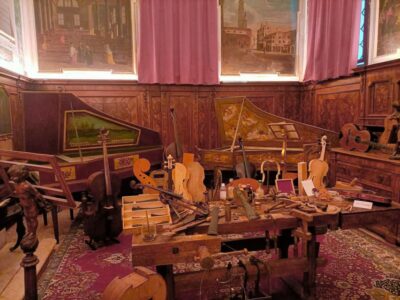
Vivaldi’s Four Seasons Concert & Music Museum Visit
Read our review →
Charming Gondola Ride on the Grand Canal & Gondola Gallery™
Read our review →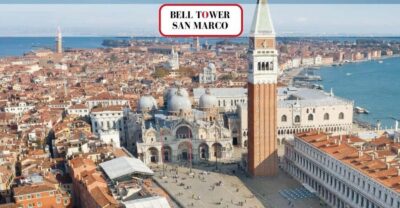
Bell Tower & St Mark’s Square History Gallery Ticket
Read our review →
Venice Museum Pass & Doge’s Palace Entrance Ticket
Read our review →
Basilica, Doge’s Palace, History Gallery & Bell Tower Option
Read our review →
Browse the lists this tour appears in